
Distributed Energy Resources (DER)
DOE
U.S. Energy Secretary Chris Wright said the department is ready to use its authority under Section 202(c) of the Federal Power Act to dispatch backup generation from large customers if needed ahead of a major winter storm.

Gov. Mikie Sherrill via X
New Jersey Gov. Mikie Sherrill signed two sweeping executive orders that sought to control the state’s aggressively rising electricity rates through ratepayer credits and generation expansion.
Brattle
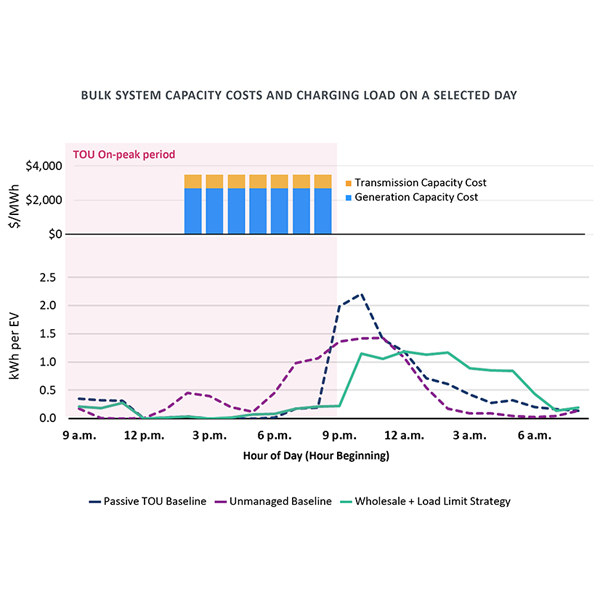
EnergyHub and Brattle Group released a study based on a real-world test of different strategies for managing charges on distribution circuits, which found significant benefits from managed charging once EVs become more common in a neighborhood.
© RTO Insider
U.S. Sen. Tom Cotton (R-Ark.) introduced a bill that would exempt large loads served on islanded systems from federal economic regulations for the electric industry.
NextEra Energy Resources
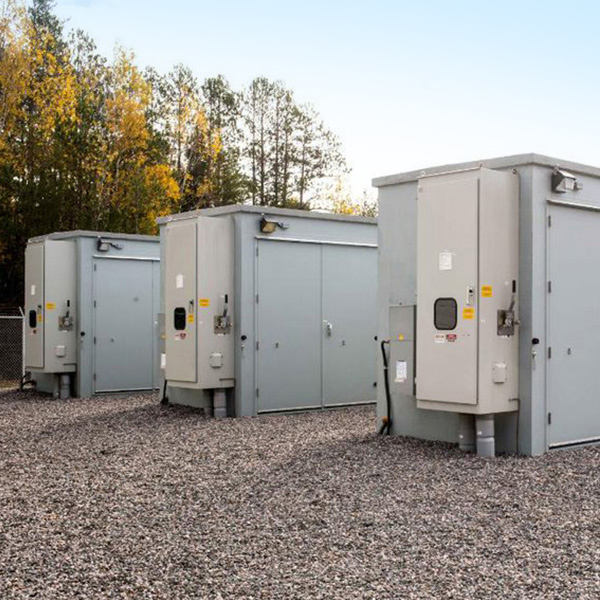
Illinois became the 13th state to adopt a procurement target for storage after Gov. JB Pritzker signed a new bill aimed at shoring up reliability and affordability.
© RTO Insider
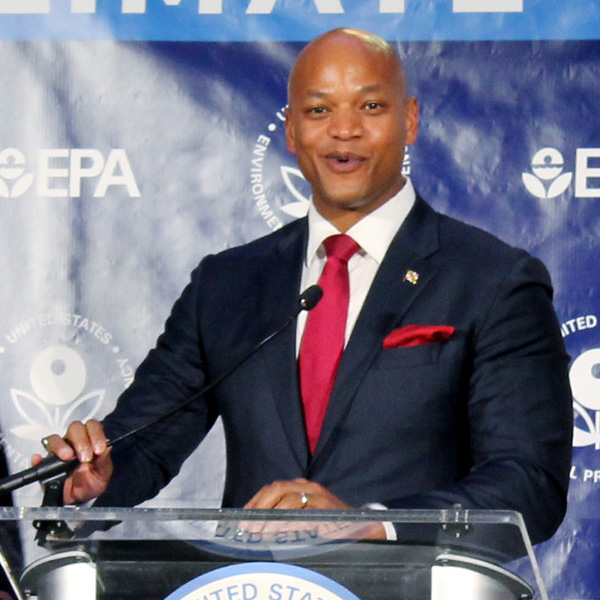
Gov. Wes Moore issued an executive order calling for reforms to boost electricity supply and ensure affordability, which will be implemented in part by the new executive director at the Maryland Energy Administration, Kelly Speakes-Backman.
Colonial Pipeline
The PJM Planning Committee has endorsed manual revisions to reflect how distributed energy resources would be accredited for participation in the 2028/29 Base Residual Auction.
CAISO
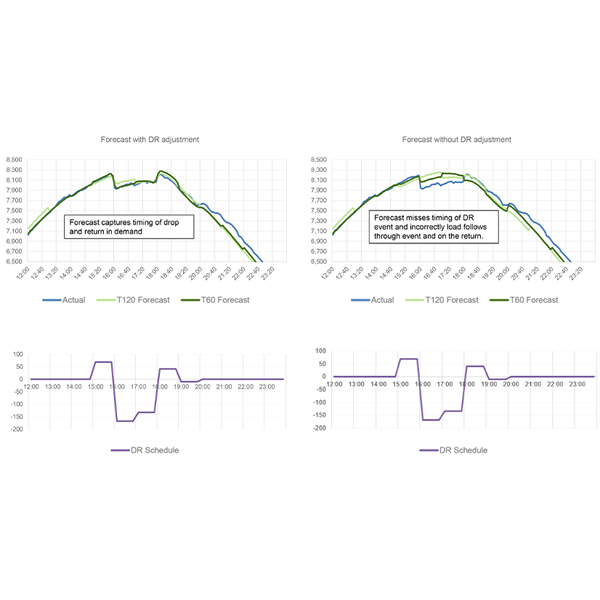
A new CAISO paper lays out a series of challenges around how to improve participation of demand response and distributed energy resources in the ISO's day-ahead and real-time markets.

Shutterstock
ISO-NE outlined proposed capacity accreditation for active and passive demand capacity resources at the NEPOOL Reliability Committee.
OMS
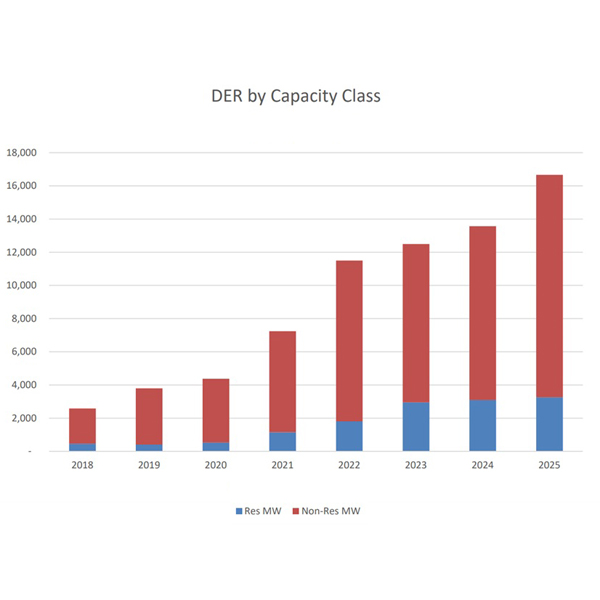
The Organization of MISO States estimates MISO is up to approximately 16.6 GW of distributed energy resources across its footprint, up 3 GW from 2024.
Want more? Advanced Search
