
Battery Electric Storage
Advanced Energy United
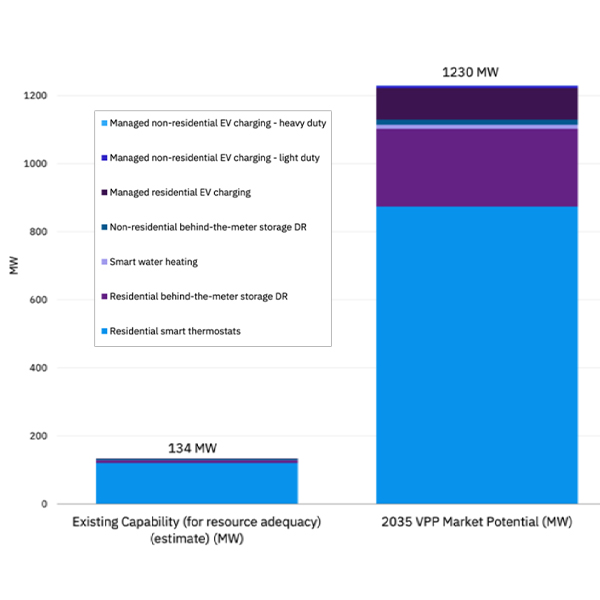
NV Energy's virtual power plant market potential could grow from an estimated 134 MW this year to 1,230 MW in 2035, according to a new analysis.

© RTO Insider LLC
SPP’s Markets and Operations Policy Committee endorsed recommended revision requests from two stakeholder groups as part of the RTO’s effort to strengthen resource adequacy.
CAISO
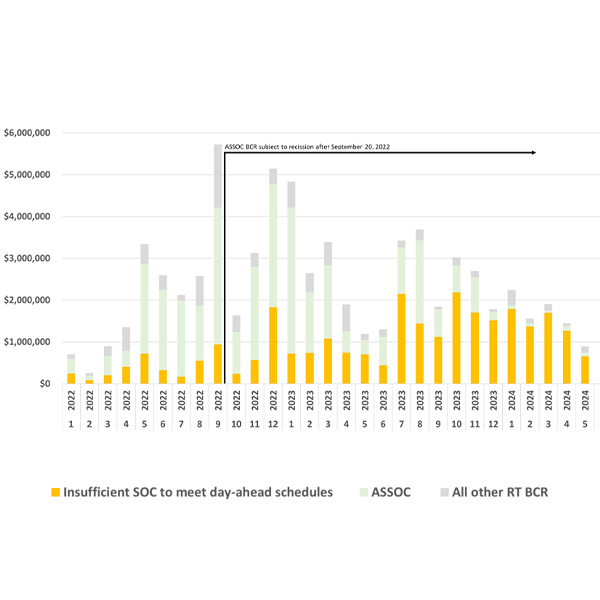
Batteries may be receiving excessive or inefficient bid cost recovery payments in CAISO, an issue that could be exacerbated by the ISO’s recent move to increase its soft offer cap to allow for higher bids by storage resources.
Analysis Group
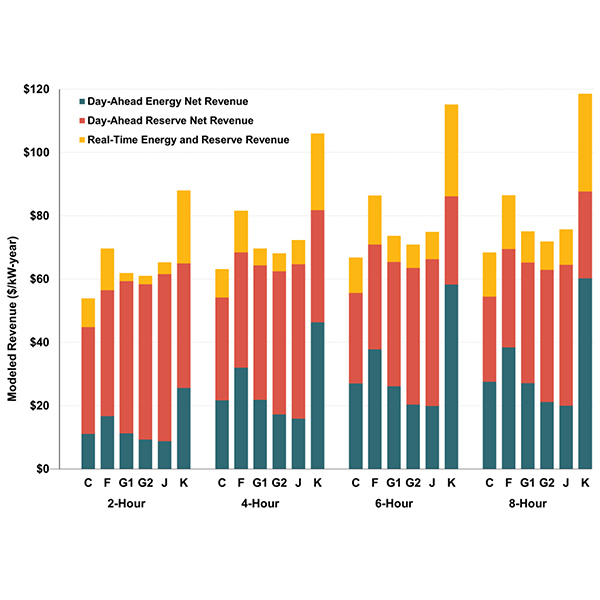
NYISO stakeholders are divided over consultants’ proposal to use a two-hour battery as the peaking plant in the ISO’s capacity market demand curve, as part of its quadrennial demand curve reset for 2025-2029.
Saavi Energía
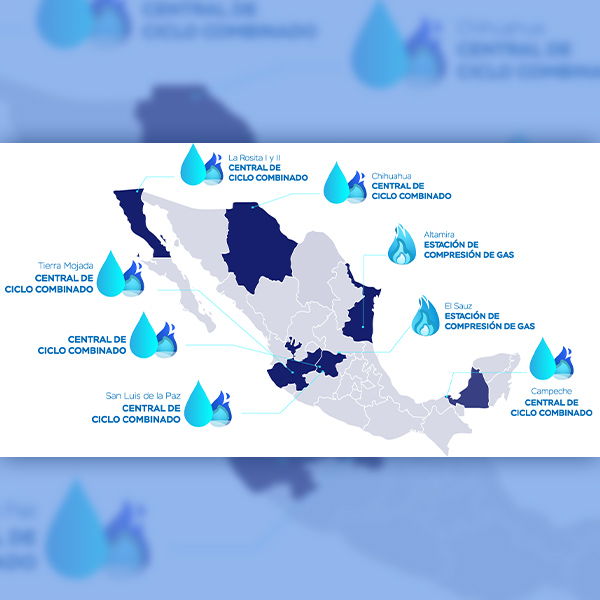
FERC denied a complaint by energy conglomerate Saavi alleging CAISO unlawfully terminated the full capacity deliverability rights for its gas-fired generating unit in Mexico that previously was interconnected with the ISO’s grid.

© RTO Insider LLC
Several renewable energy developers are opposing ERCOT stakeholders’ approval of a controversial rule change that would impose voltage ride-through requirements on IBRs.
Shutterstock
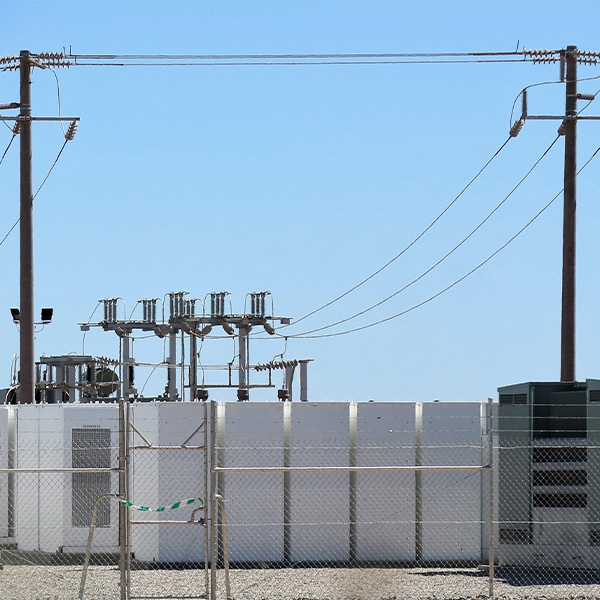
The use of distributed energy resources can reduce grid costs, delay system upgrades, authors contend.
WECC
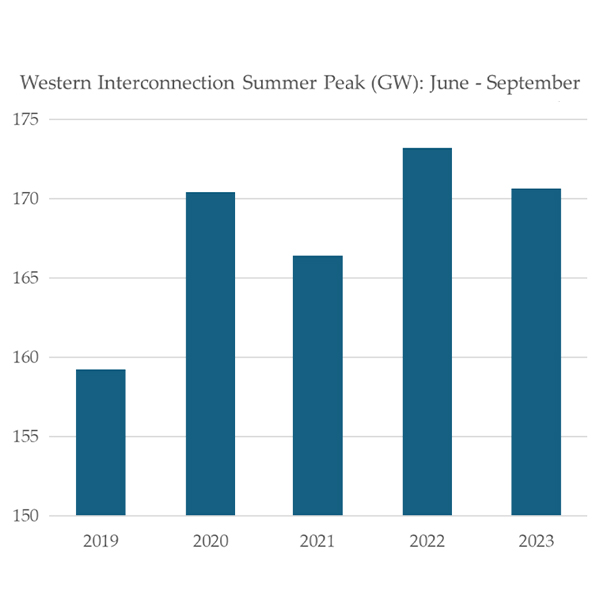
Extreme heat in the Desert Southwest and low hydro in the Northwest could pose reliability problems for the Western Interconnection this summer, although the region doesn’t face an alarming risk for grid emergencies, WECC officials said.
Elevate Renewables
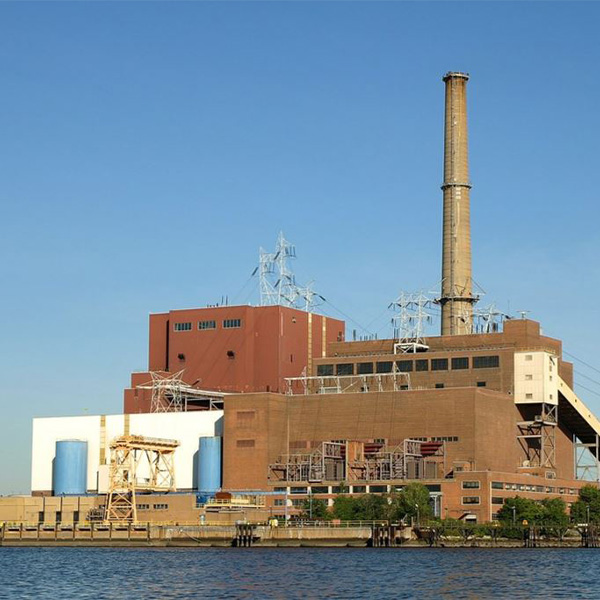
A developer has committed to replacing a fossil-fired peaker plant with a lithium-ion battery system that will, for a while, be New York City's largest.
Terra-Gen
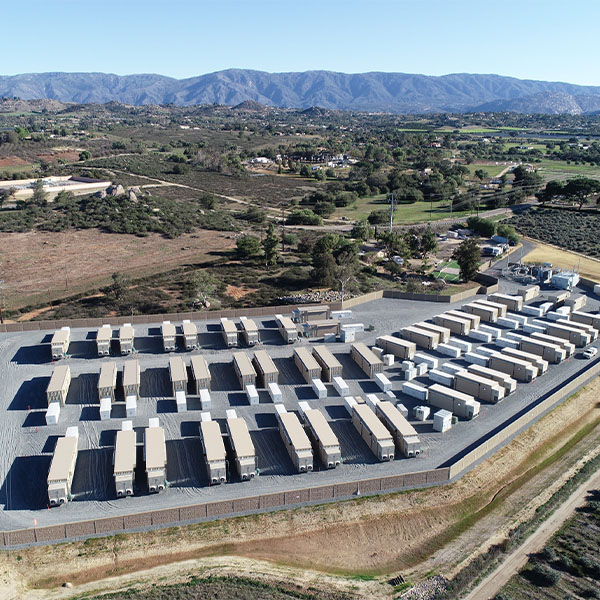
CAISO’s Board of Governors and WEIM Governing Body unanimously voted to approve an expedited proposal to increase the ISO’s soft offer cap from $1,000/MWh to $2,000.
Want more? Advanced Search