
Battery Electric Storage
IESO
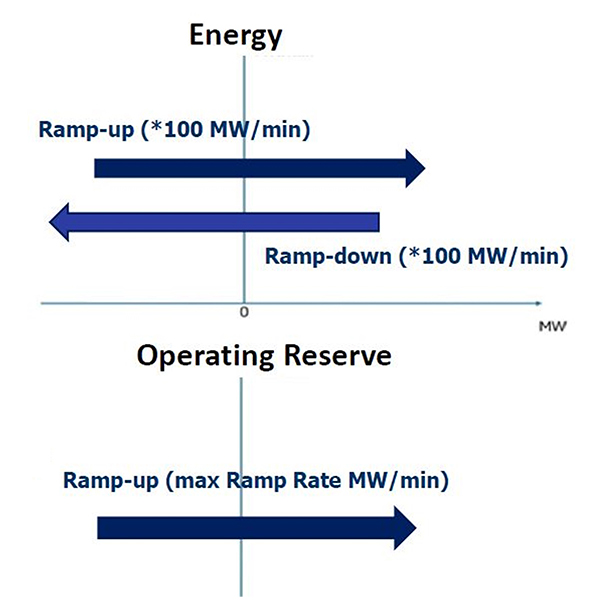
Storage developers in Ontario are pushing back on IESO’s 100-MW/minute ramp limit for batteries, saying it will reduce their revenues.
BLM
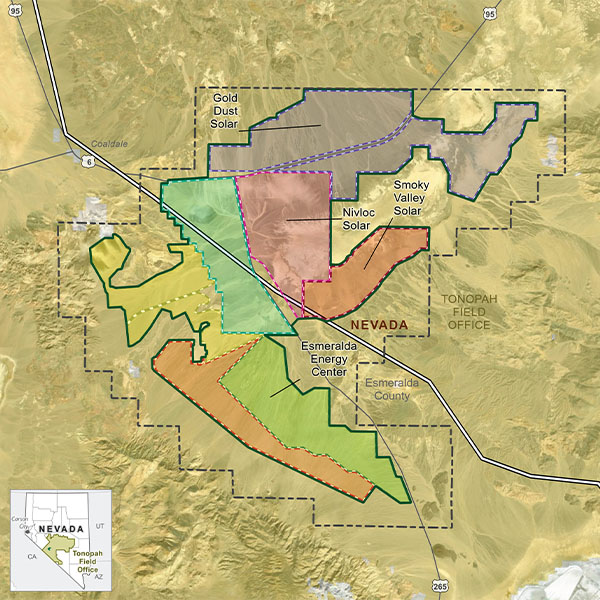
The fate of a 6.2-GW cluster of solar energy projects in western Nevada is uncertain following the Bureau of Land Management’s decision to break the group into individual projects for review.
PG&E
FERC approved PG&E’s request to recover more than $600,000 in costs for an abandoned battery plant in California.
BloombergNEF
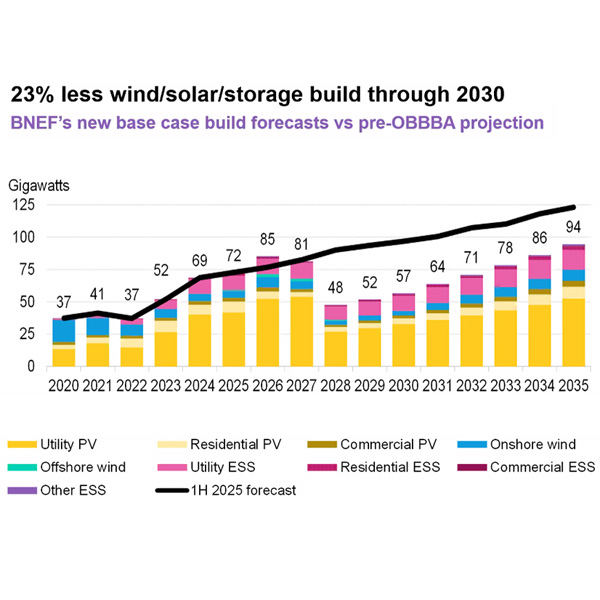
Construction of new wind, solar and energy storage facilities will decrease significantly over the next five years, a BloombergNEF analyst said in an presentation to the California Energy Commission.

CPUC
A California PUC judge has proposed the commission order an additional 6 GW of capacity for the state between 2029 and 2032 to get ahead of disappearing federal tax credits and loans for renewable energy resources.
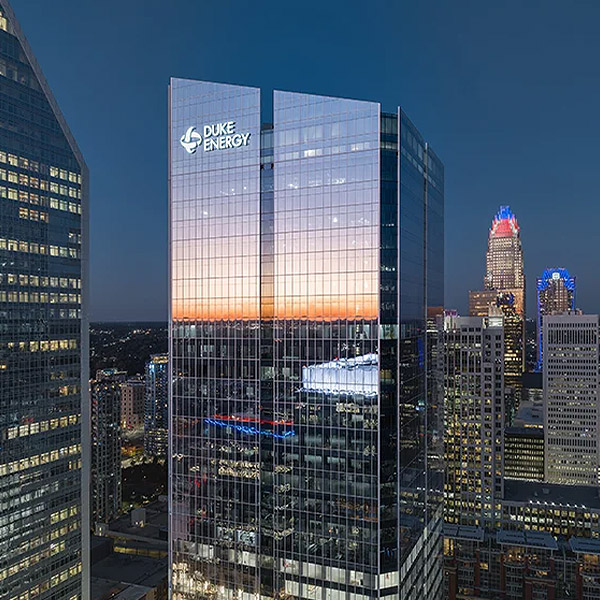
Duke Energy
Duke Energy filed its long-range plan with the North Carolina Utilities Commission, calling for more natural gas-fired generation and batteries while keeping existing coal plants online to meet accelerated demand for electricity.

CPUC
The California PUC is recommending the state build an additional 68.5 GW of new solar generation resources by 2045, despite new tariffs on imports and the planned elimination of federal tax credits.
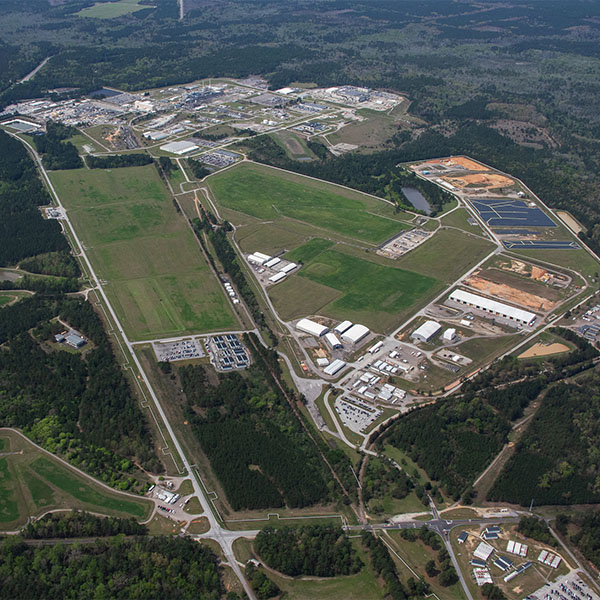
Savannah River Site
The U.S. Department of Energy is looking for developers that want to build artificial intelligence data centers — and the power generation to run them — on two nuclear sites.
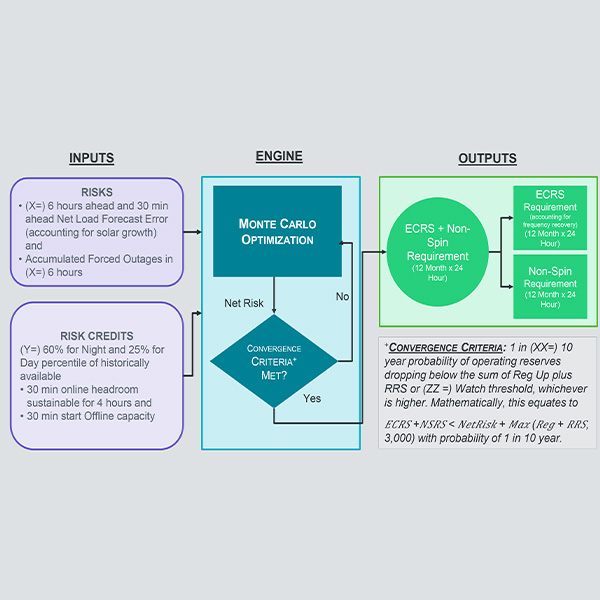
ERCOT
ERCOT’s Board of Directors approved staff’s recommended methodologies for acquiring minimum ancillary service requirements in 2026, despite concerns over conservative operations and target procurement levels.
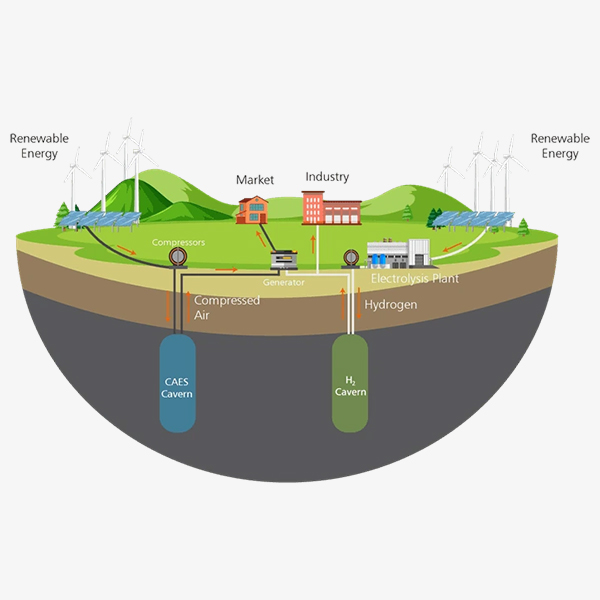
Corre Energy/Long Duration Energy Storage Council
IESO has increased the capacity target for its planned solicitation for long lead-time resources, even as it acknowledges questions about the need for the procurement.
Want more? Advanced Search
