
Coal
Sterling Industrial
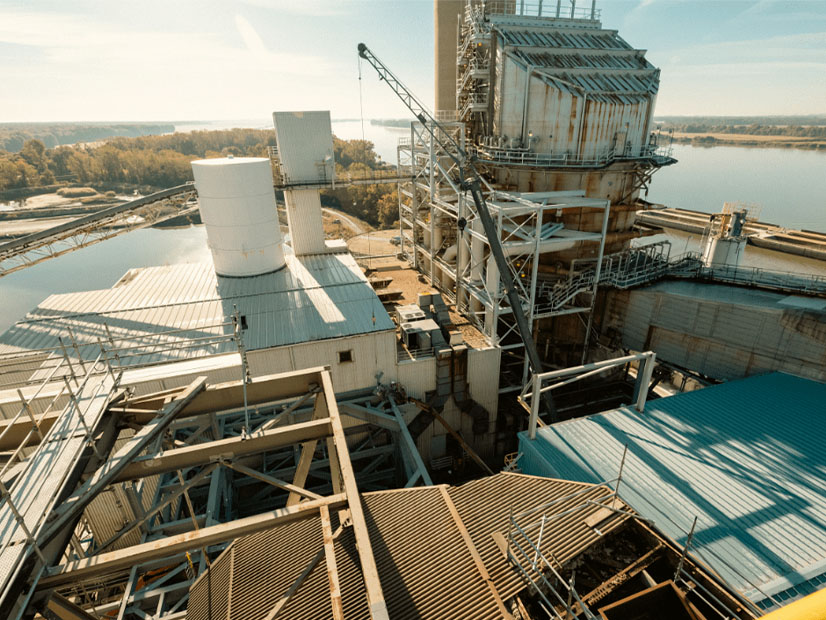
Public interest organizations have taken their challenge of the Department of Energy’s emergency orders keeping two Indiana coal plants operating past their planned retirement dates to the D.C. Circuit Court of Appeals.
Grid Strategies
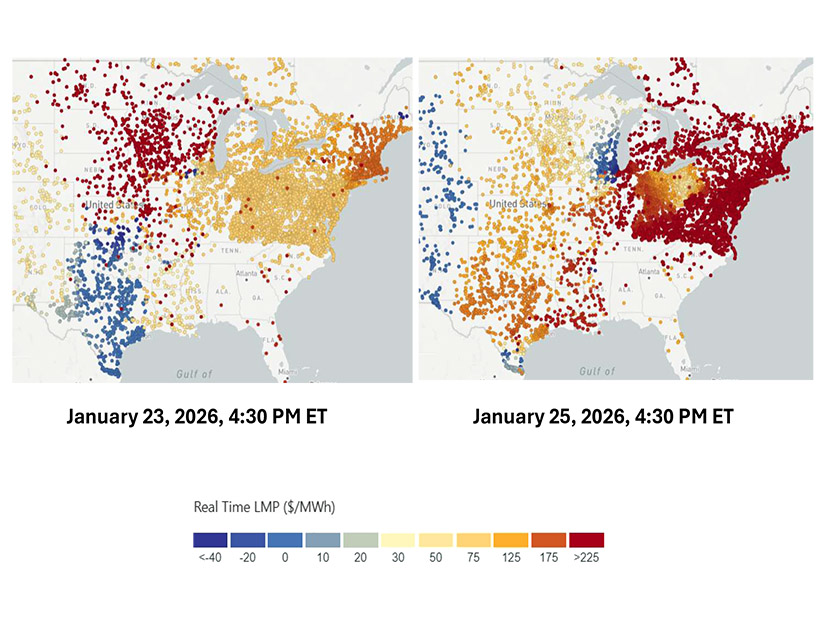
NERC CEO Jim Robb said in congressional testimony that while the bulk power system made it through the late January winter storm reliably, the weather highlighted how at risk it is.
Steven Baltakatei Sandoval, CC BY-SA 4.0, via Wikimedia Commons
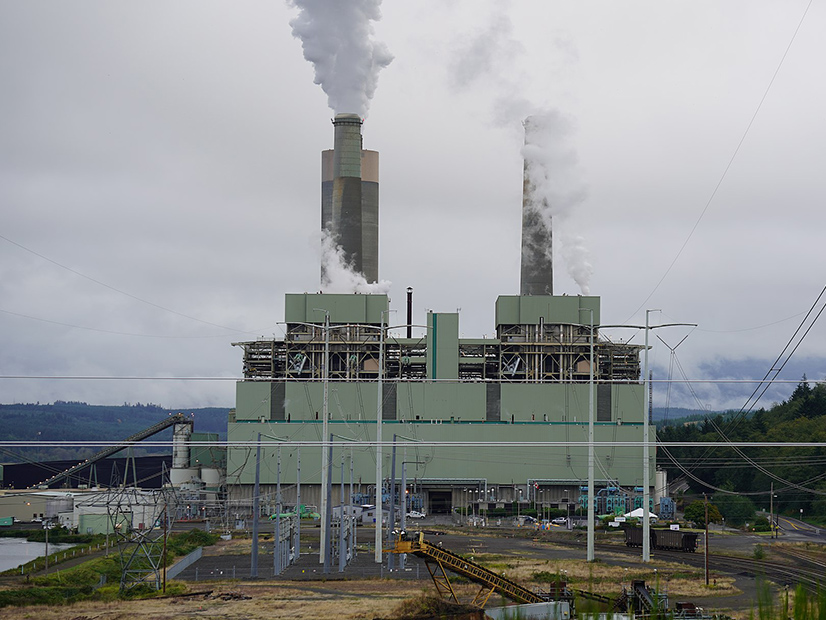
The Department of Energy extended an order that will continue to keep Washington’s last remaining coal-fired plant open past its long-scheduled retirement at the end of 2025.

Department of the Interior
The Trump administration announced energy, technology and resource deals worth $56 billion coming out of an Asia-Pacific energy security summit.
Venture Global LNG
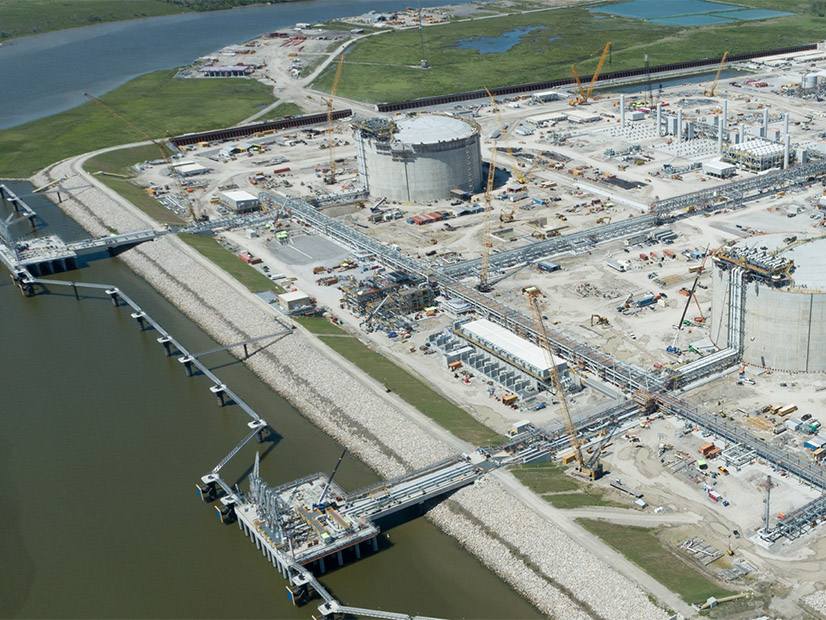
The war in Iran is not expected to lead to higher domestic natural gas prices in part because higher oil prices tied to the closure of the Strait of Hormuz mean more oil production and related gas supply from the Permian Basin, the EIA said.
CAISO DMM
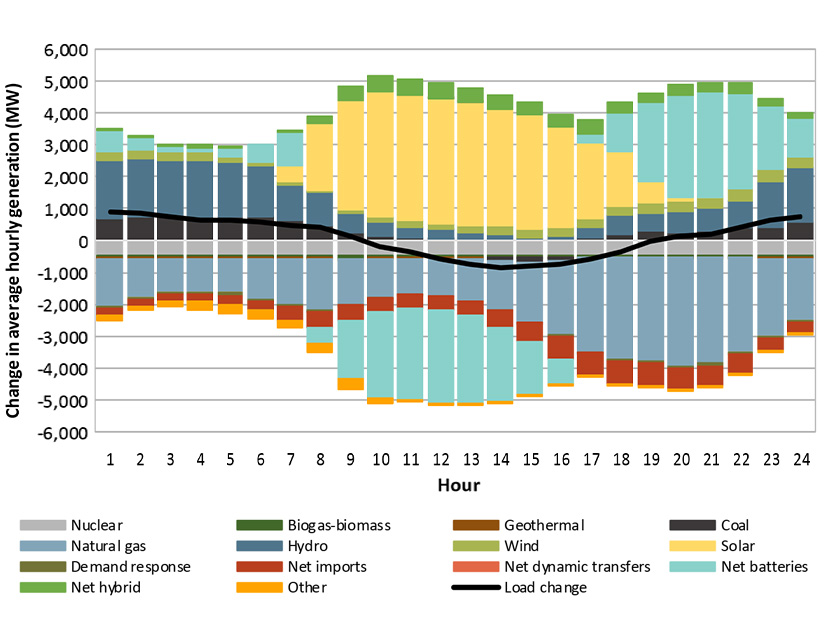
CAISO’s Western Energy Imbalance Market saw an increase in battery storage capacity and coal use in 2025 compared with 2024, although the total load across the market did not increase over the year.
SRP
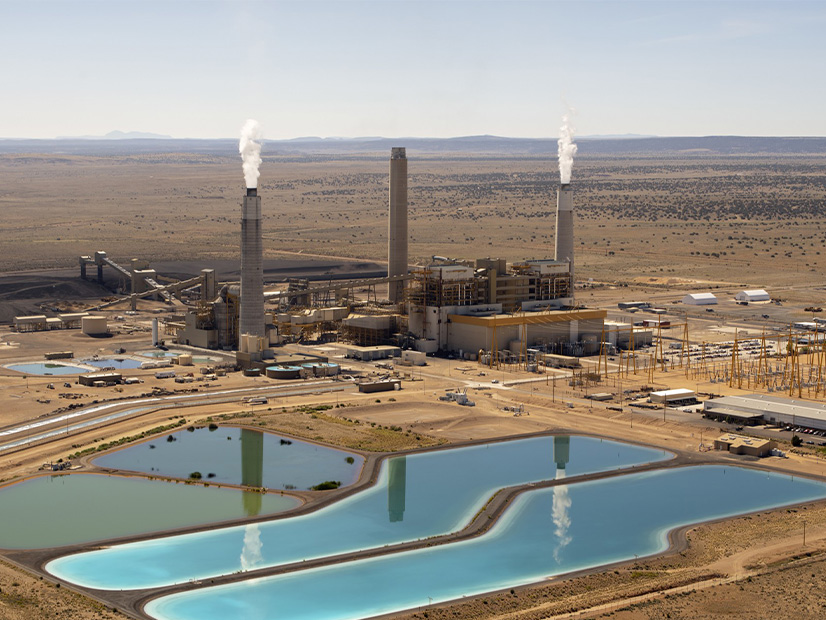
Two Arizona utilities received approval to convert coal-fired power plants to run on natural gas, projects they say will enhance grid reliability, reduce emissions and preserve jobs.
Earthjustice
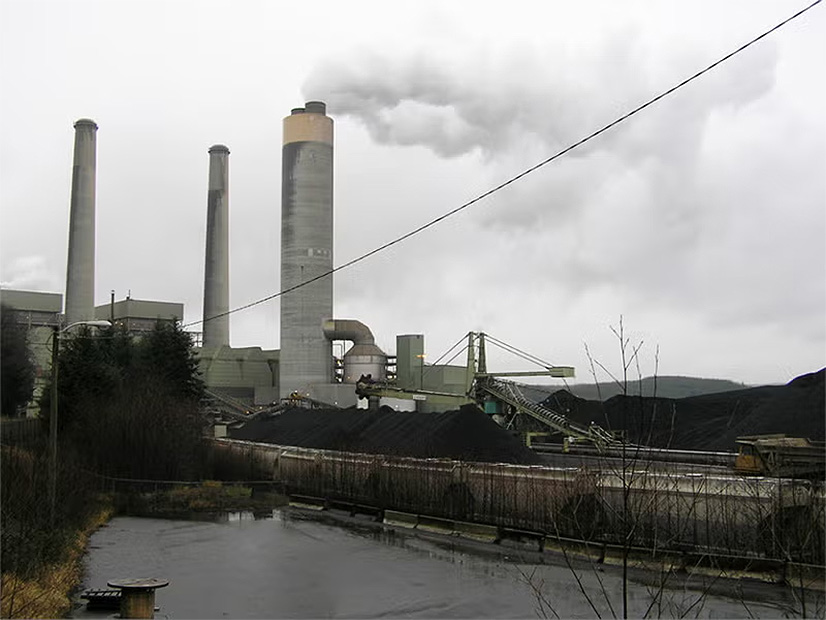
Washington’s attorney general and a coalition of public interest organizations filed separate lawsuits to overturn the Department of Energy’s order requiring TransAlta to continue operating the state’s last coal-fired plant beyond its scheduled retirement.

NorthWestern Energy
FERC approved NorthWestern’s acquisition of Puget Sound Energy’s shares in the coal-fired Colstrip power plant and authorized NorthWestern to sell electricity produced by the plant.
Tri-State Generation and Transmission Association
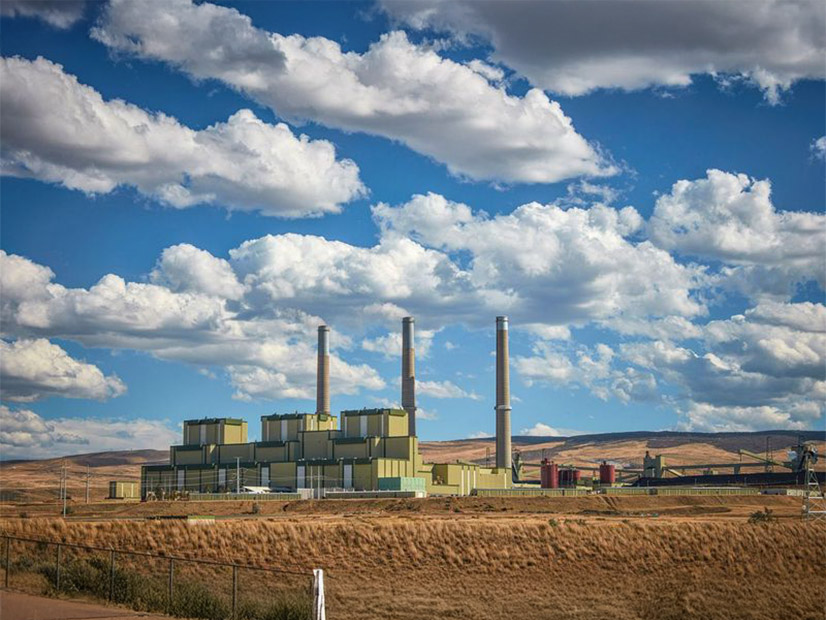
A bill in the Colorado legislature seeks to reduce the environmental impact of federal orders delaying the retirement of coal-fired power plants.
Want more? Advanced Search
