Utility-scale Solar
NextEra Energy
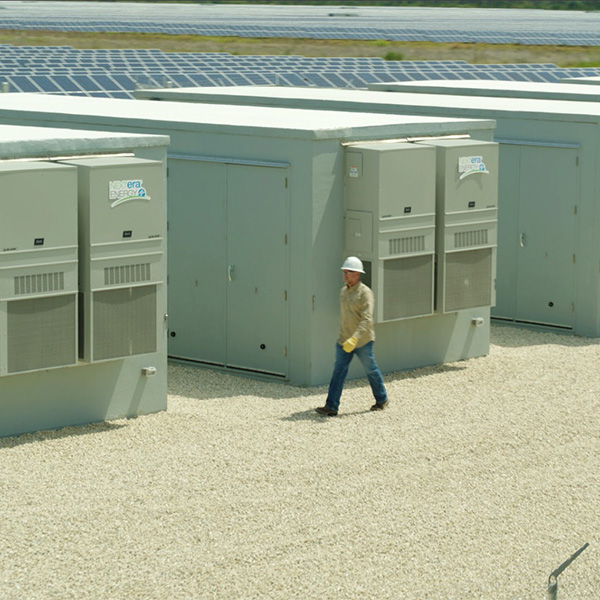
Projected load growth nationwide from data centers, electrification and increased domestic manufacturing will drive increasing demand for renewables, NextEra Energy CEO John Ketchum said during a first-quarter earnings call.

ERCOT
ERCOT says recent changes to the calculations used to determine ERCOT contingency reserve service have resulted in smaller quantities of the product this year and stalled the need for further modifications.
DOE
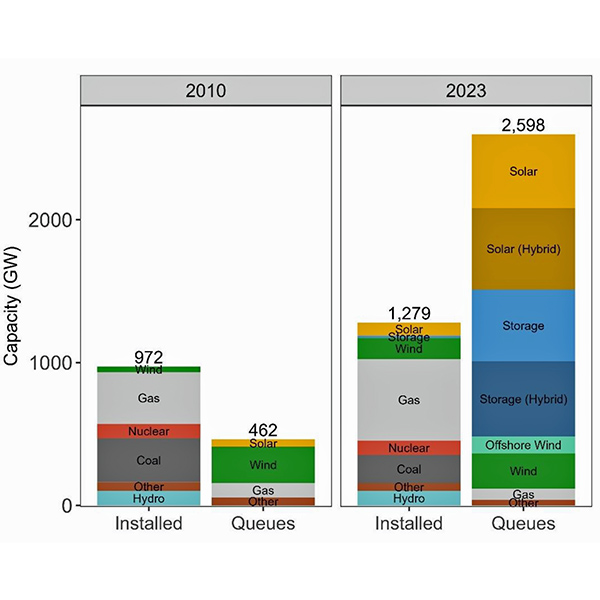
The DOE issued a roadmap to speed interconnection of new clean energy generation projects to the grid and clear the backlog of proposed renewable energy projects waiting in the queue.
Senate ENR Committee
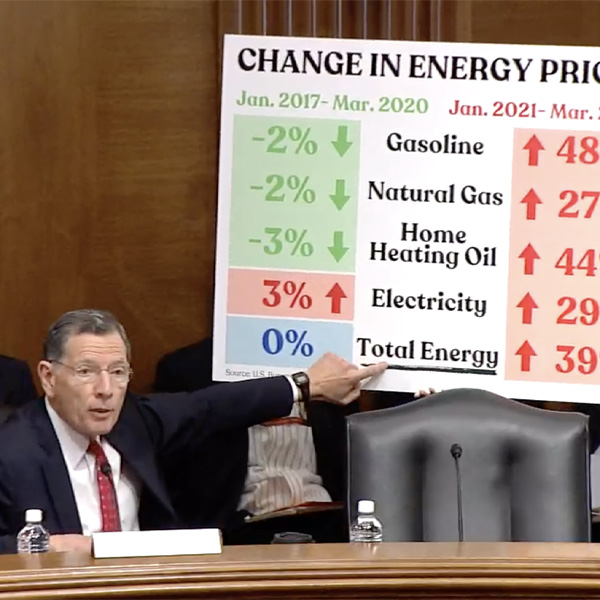
Energy Secretary Jennifer Granholm defended her department’s $51 billion budget proposal for FY25 before hostile Republicans on the Senate Energy and Natural Resources Committee.

© RTO Insider LLC
Wind, storage, solar and hydrogen make advances and face challenges in New York state.
Lawrence Berkeley National Laboratory
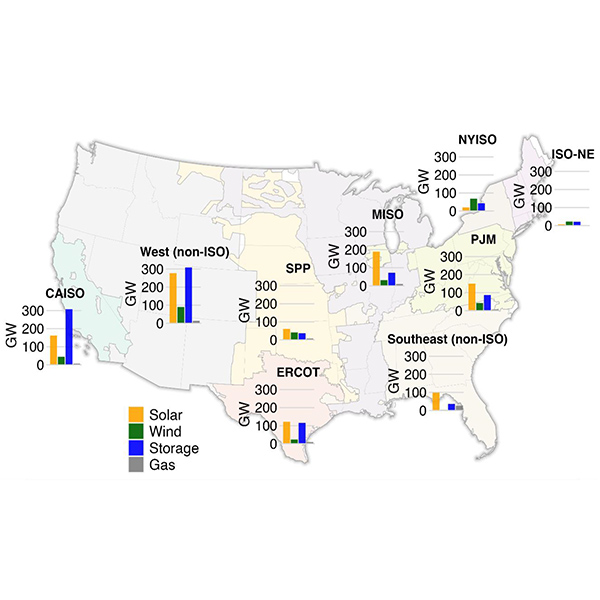
Interconnection requests across the U.S. shot up by 30% in 2023, with close to 2,600 GW of solar, wind and storage waiting to land a spot on the grid.

© RTO Insider LLC
Grid operators reported zero issues managing the bulk electric system as Monday’s total eclipse briefly shaded solar panels across ISO-NE, NYISO, MISO, SPP and ERCOT.
PNM
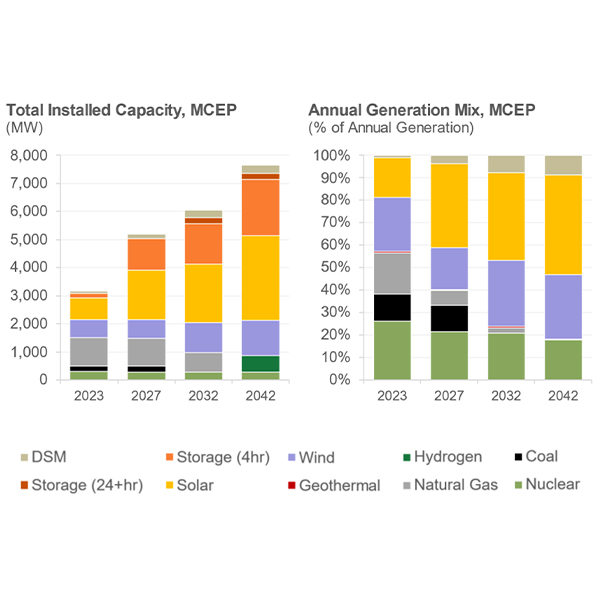
New Mexico commissioners voted to accept PNM's 2023 integrated resource plan despite concerns about an escalation in costs and resources since the 2020 IRP.
© RTO Insider LLC
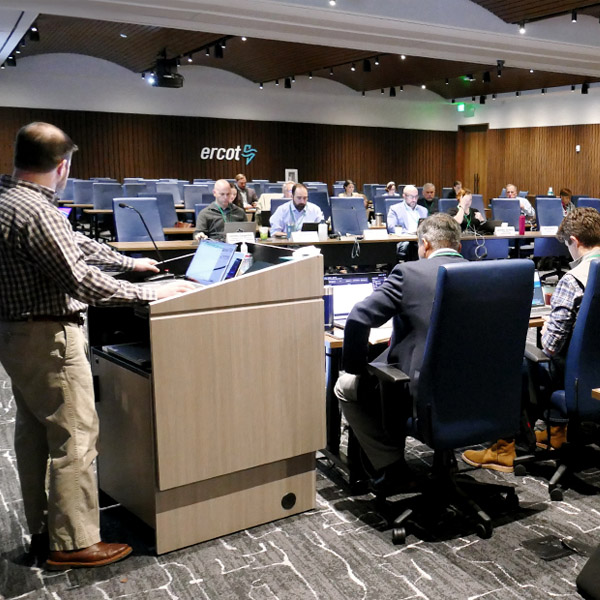
Unable to reach a compromise with ERCOT on inverter-based resource ride-through requirements after months of negotiations, stakeholders have managed to push through a potential rule change over the grid operator’s objections.

© RTO Insider LLC
While their net-zero emission targets might not kick in until the 2030s, the power industry already is dealing with the issues they create, panelists said at the Electric Power Supply Association’s Competitive Power Summit.
Want more? Advanced Search