
Resource Adequacy
Resource adequacy is the ability of electric grid operators to supply enough electricity at the right locations, using current capacity and reserves, to meet demand. It is expressed as the probability of an outage due to insufficient capacity.
Yes Energy
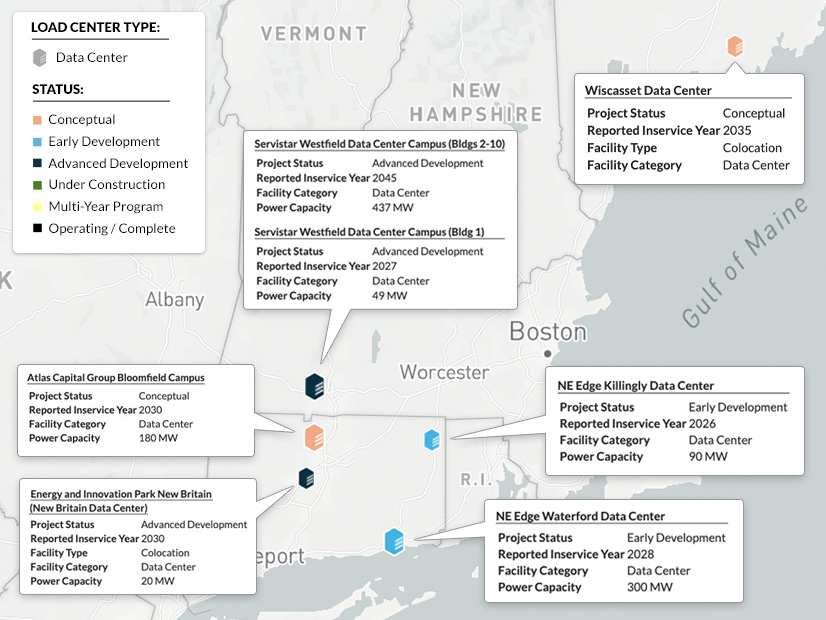
Increased interest in data center development in New England has led to growing concern about potential negative effects on energy affordability and long-term resource adequacy.
Lawrence Berkeley National Laboratory
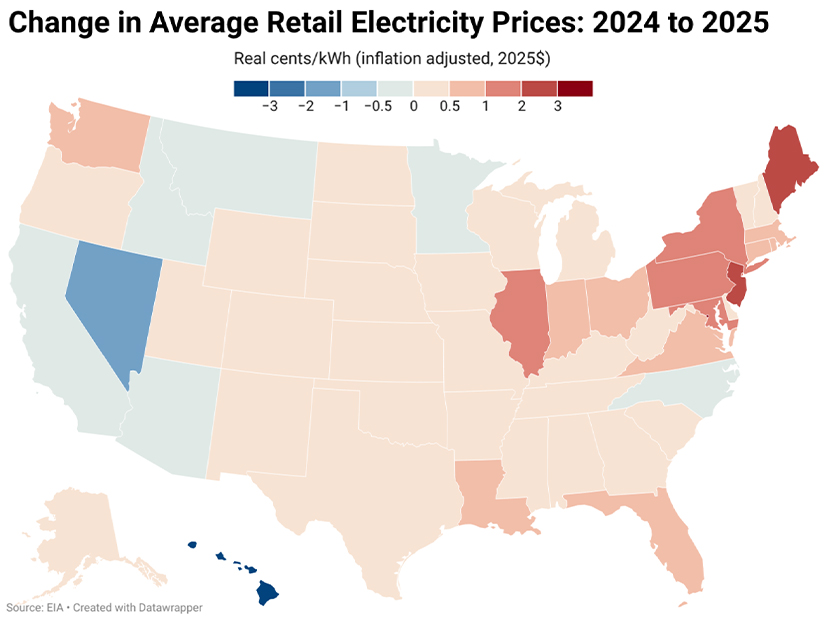
LBNL released an update to its retail price study, which showed power prices rose for most states between 2024 and 2025, after a half decade of mostly declining prices.
SEPA
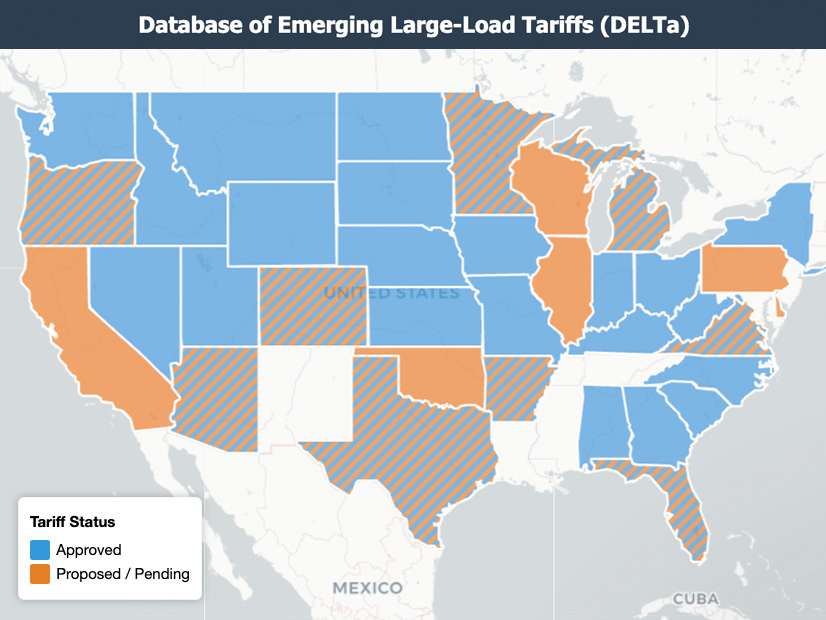
SEPA released an update to a database it created to track large load tariffs, which are spreading faster as large load customers proliferate.

© RTO Insider
PJM presented the Markets and Reliability Committee with a first read on a proposal to establish penalties for load management and price-responsive demand resources that do not perform during pre-emergency events

© RTO Insider
PJM is forming a task force to explore how new data centers can be required to curtail if they interconnect before there is sufficient capacity and transmission capability.
Midwestern Regional Climate Center and MISO
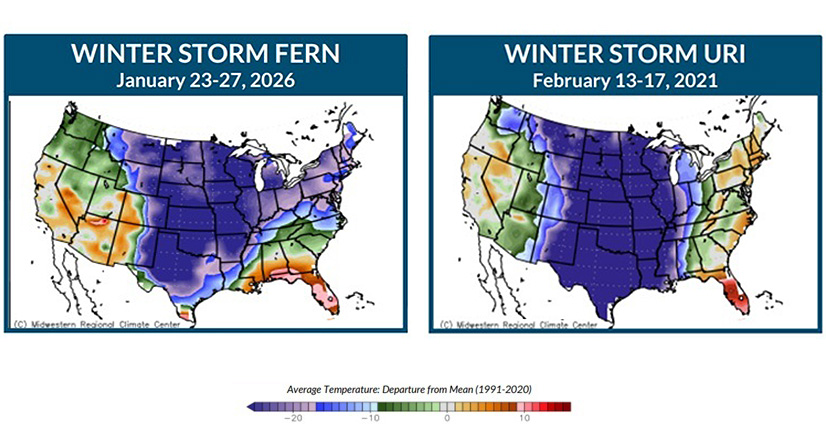
MISO’s maximum generation emergency event during a harsh winter featured under-forecast demand, issues with pricing software and day-ahead models so bogged down by complexity that they took longer to solve.
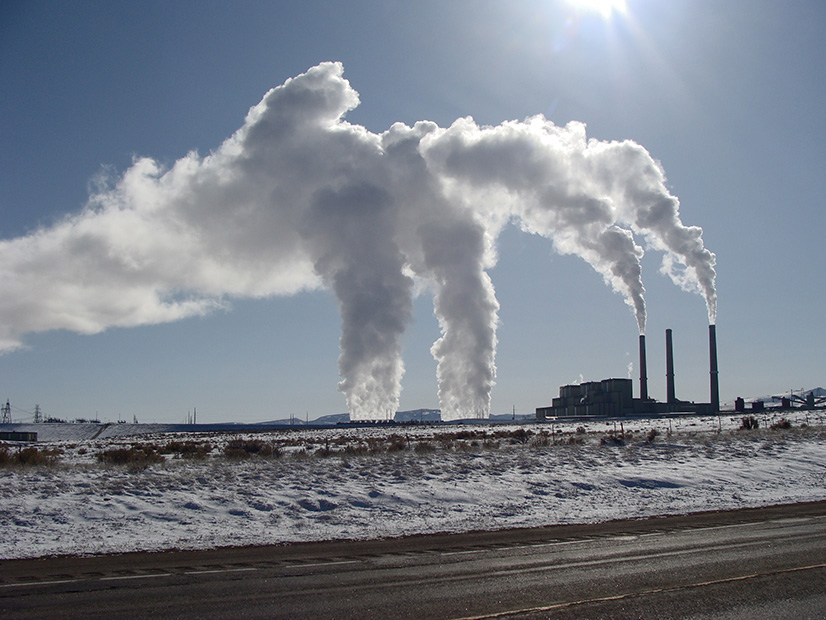
Jimmy, CC BY-SA 2.0, via Wikimedia Commons
DOE extended the 202(c) order for Tri-State's Craig Unit 1 into June, meaning the plant be under the order after its owner joins SPP West.

© RTO Insider
Speaking generally, FERC Chair Laura Swett said that federal jurisdiction over the interconnection of large loads is very clear.
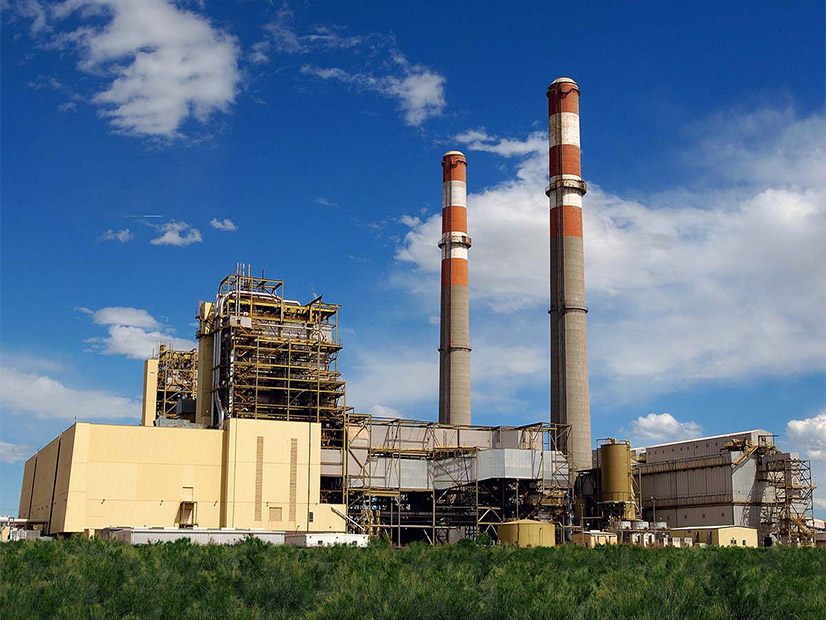
Xcel Energy
A delay in the repair of Unit 3 of Xcel Energy’s coal-fired Comanche Generating Station has sparked questions among Colorado regulators about the utility’s ability to meet summer peak demand in 2026.

Shutterstock
Data center load growth in California could turn out to be “lumpy,” with sudden, large increases in specific regions of the state, rather than smooth growth over time.
Want more? Advanced Search
