
Resource Adequacy
Resource adequacy is the ability of electric grid operators to supply enough electricity at the right locations, using current capacity and reserves, to meet demand. It is expressed as the probability of an outage due to insufficient capacity.
MISO
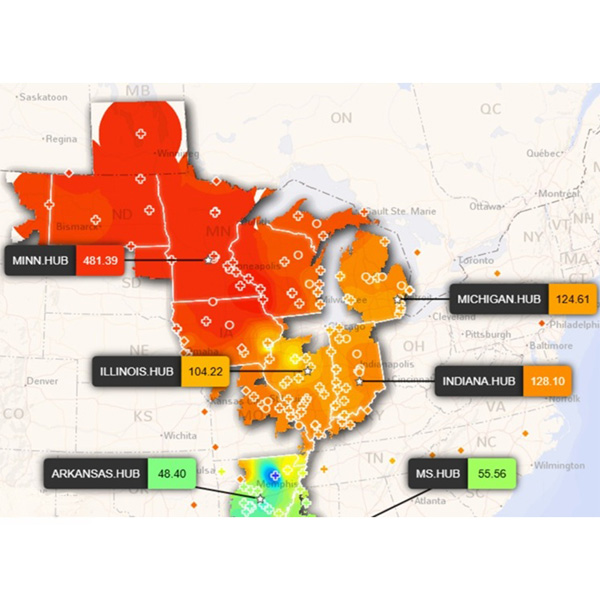
MISO declared a maximum generation emergency for its Midwest region just after midnight on Jan. 24 as the northern portions of the footprint rode out double-digit negative temperatures.
NextEra Energy
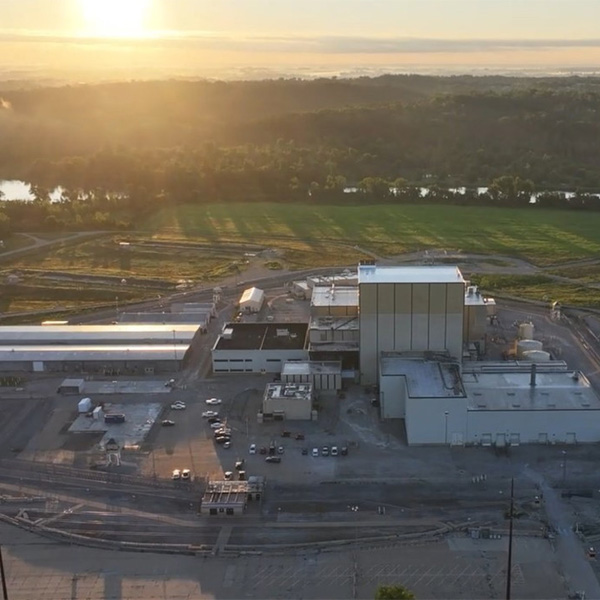
FERC ruled that MISO is free to continue using its interconnection queue fast lane, shutting down rehearing requests from several clean energy organizations.
DOE
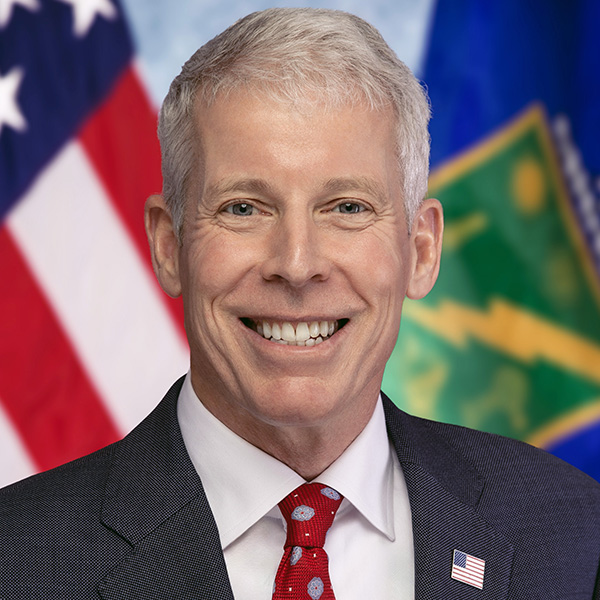
U.S. Energy Secretary Chris Wright said the department is ready to use its authority under Section 202(c) of the Federal Power Act to dispatch backup generation from large customers if needed ahead of a major winter storm.

FERC
FERC addressed the ongoing resource adequacy challenges at PJM during its regular meeting, calling for the RTO to get reforms in front of it so they can be approved.
KVUE
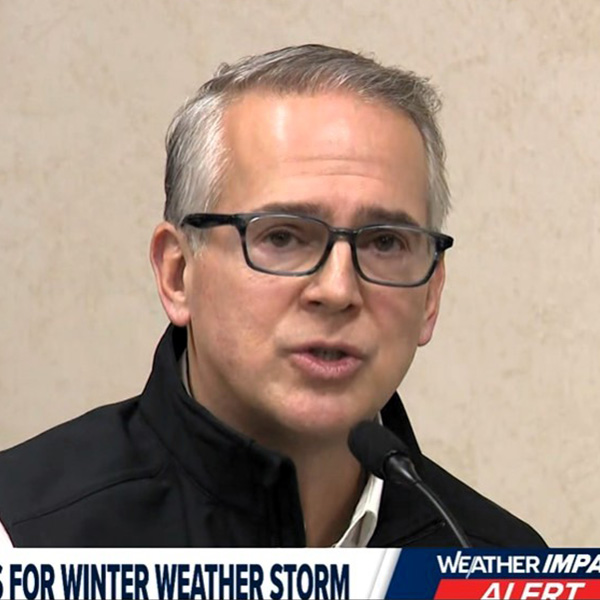
With a major winter storm bearing down on Texas, officials have assured the state that the ERCOT grid is in much better shape to take on freezing conditions than it was five years ago during Winter Storm Uri.

Gov. Mikie Sherrill via X
New Jersey Gov. Mikie Sherrill signed two sweeping executive orders that sought to control the state’s aggressively rising electricity rates through ratepayer credits and generation expansion.
Northwest Power and Conservation Council
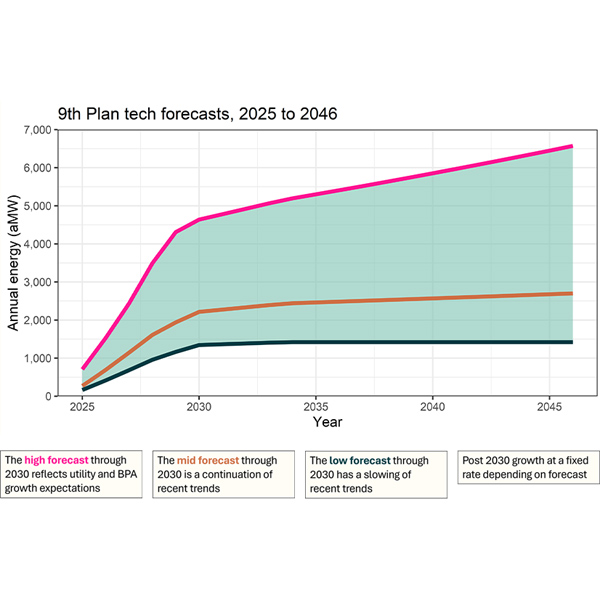
Data centers bring new regional planning challenges for the Northwest Power and Conservation Council’s upcoming power plan, the organization said during a recent meeting.

Upsite Technologies
Oregon Gov. Tina Kotek has appointed a new committee to help address the effects of the rapid growth of new data centers in the state — with a particular focus on the electricity system.
American Clean Power Association
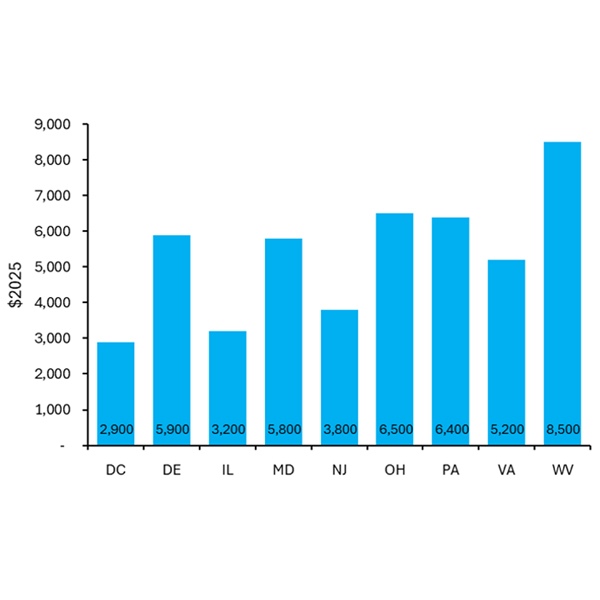
A report from the American Clean Power Association argues that slowing down renewable development in PJM could cost ratepayers $360 billion over the next decade.

AdminMonitor
ERCOT says there is “broad agreement” from stakeholders that the grid operator’s batch-based approach for interconnecting large loads is necessary.
Want more? Advanced Search
