
Resource Adequacy
Resource adequacy is the ability of electric grid operators to supply enough electricity at the right locations, using current capacity and reserves, to meet demand. It is expressed as the probability of an outage due to insufficient capacity.
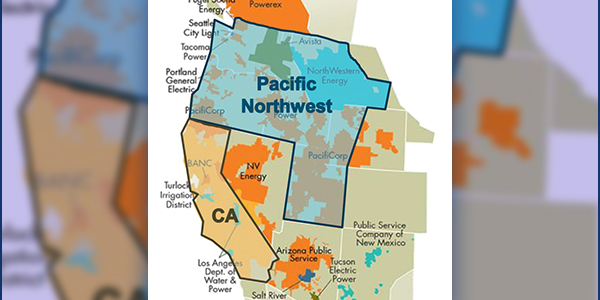
Western utility regulators have no time to waste in addressing the region’s looming resource adequacy shortfalls, industry experts said.
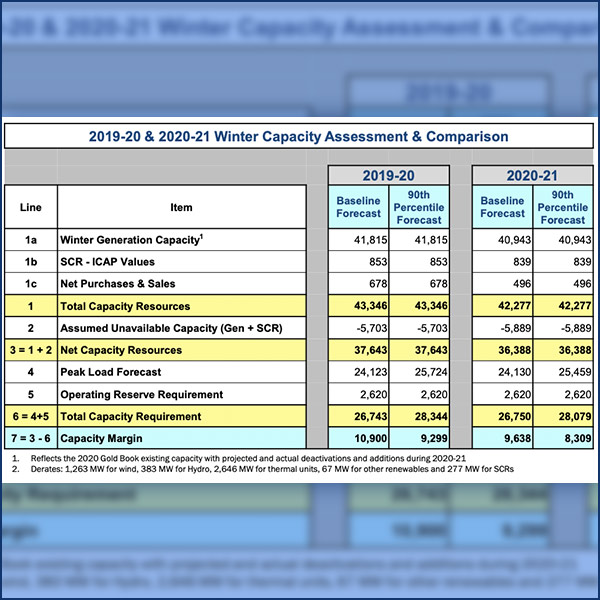
NYISO CEO Richard Dewey informed the Management Committee that the board had approved the 2021-2025 capacity market demand curve reset.
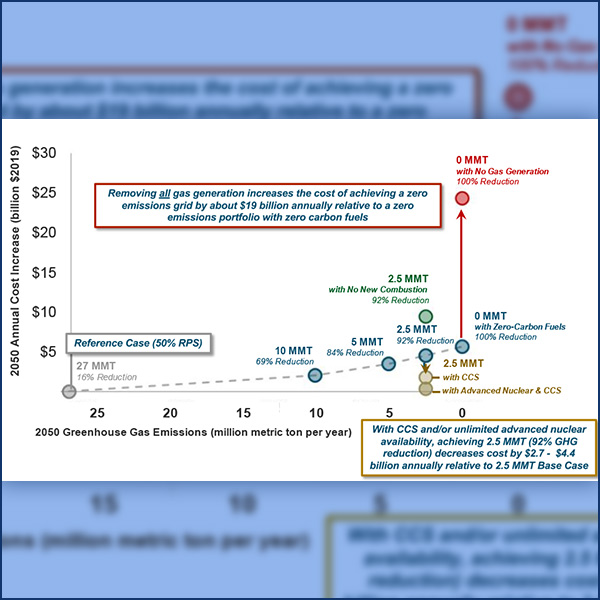
A new study outlines the challenges of decarbonization in New England, including the amount of renewables required and carbon capture.
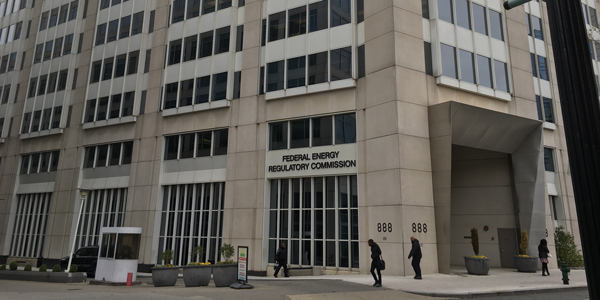
ISO-NE asked FERC if it could seek its direction to improve its fuel security after the commission rejected the RTO’s ESI market design.
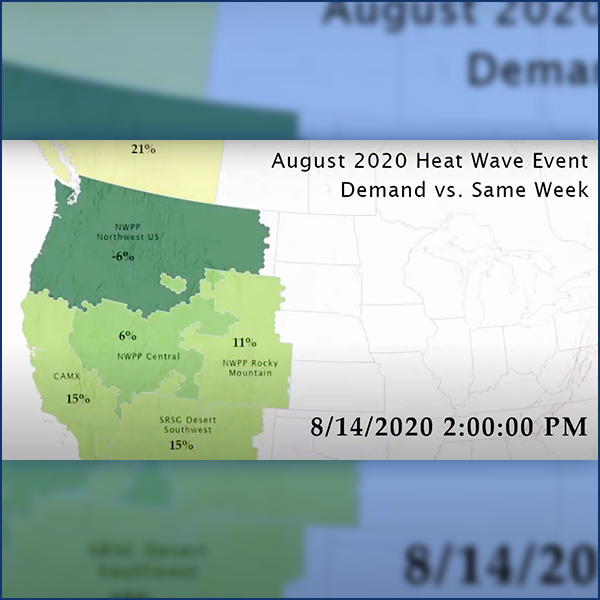
WECC is developing an information website as it uncovers more findings about the August heat wave that prompted rolling blackouts.

CREPC-WIRAB
A discussion on diversity in the energy industry, hosted by CREPC-WIRAB, delved into resource adequacy and the potential for a Western RTO.
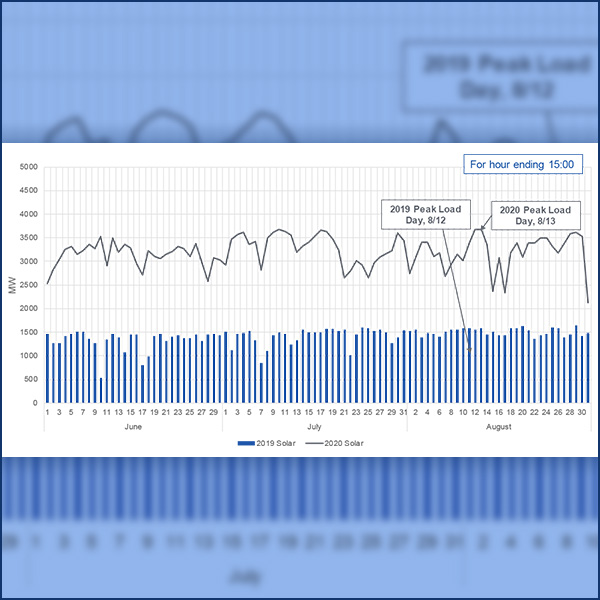
ERCOT experienced its own version of the duck curve this summer, with tight operating conditions as the sun set and solar production dropped.
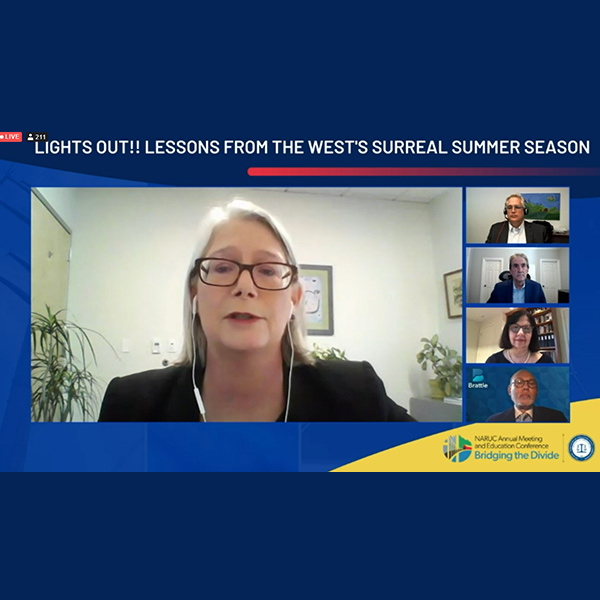
NARUC panelists examined the extraordinary events last summer in the Western Interconnection, including California's rolling blackouts.
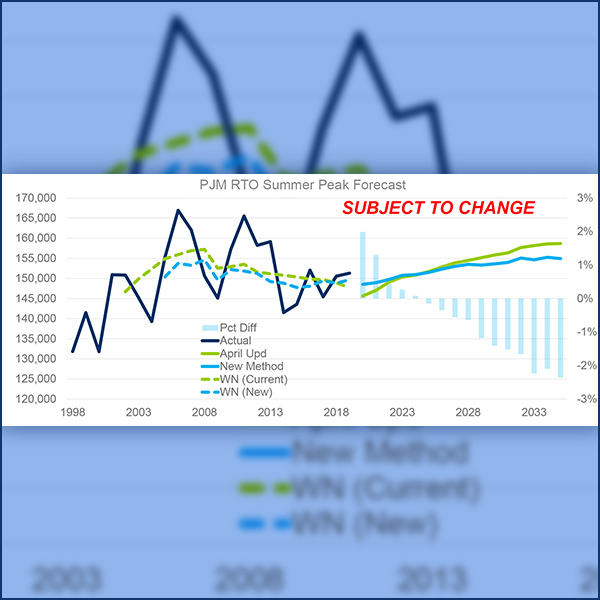
PJM stakeholders heard a first read of the RTO’s packages for mitigating and avoiding critical infrastructure under NERC rules.

© RTO Insider
The NEPOOL Participants Committee acted on consent agenda items and discussed ISO-NE's "vision for the future" and winter readiness.
Want more? Advanced Search
