
Resource Adequacy
Resource adequacy is the ability of electric grid operators to supply enough electricity at the right locations, using current capacity and reserves, to meet demand. It is expressed as the probability of an outage due to insufficient capacity.
© RTO Insider
As NV Energy prepares to file its next integrated resource plan ahead of schedule in April, the company says it will take longer than previously planned to reduce its reliance on short-term market purchases.
© RTO Insider
With 16 binding participants and 58 GW worth of load committed, the Western Power Pool’s Western Resource Adequacy Program aims to build on the momentum in 2026 and prepare for more members.
NISource
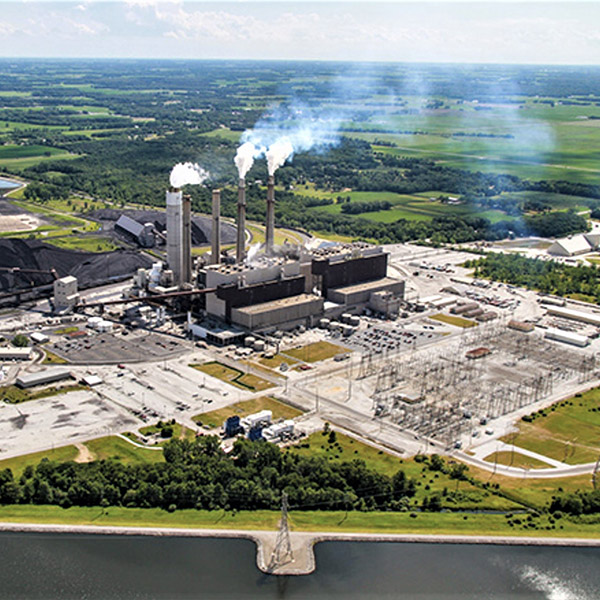
DOE issued a pair of orders under Section 202(c) of the FPA to keep two Indiana coal plants running through this winter at least, delaying their retirement that was planned for the end of 2025.
SPP
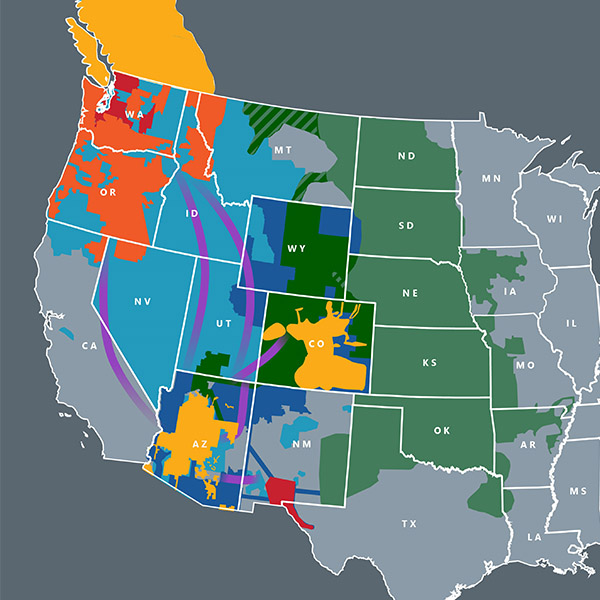
SPP Markets+ stakeholders unanimously approved the first version of the day-ahead market's protocols, providing a framework for market design, operations and settlements as its future participants build the systems and processes.
Amazon
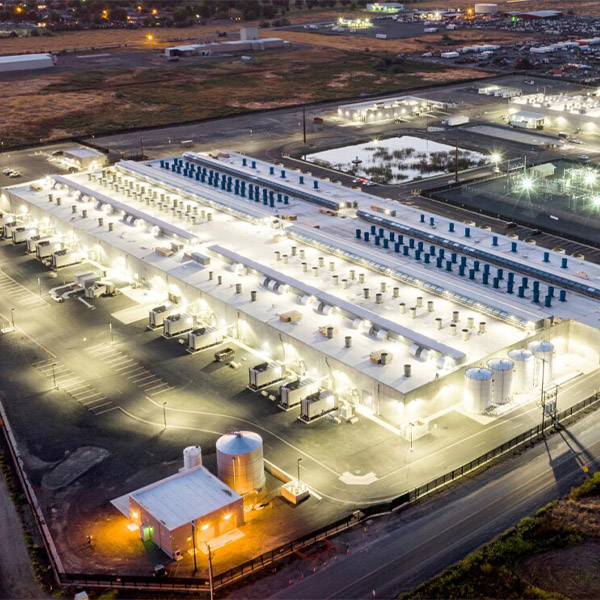
PacifiCorp filed a partial motion to dismiss an Oregon complaint by Amazon Data Services that alleged the utility has breached agreements to provide electric service to four data centers in the utility’s service territory.
Newkirk Electric Associates
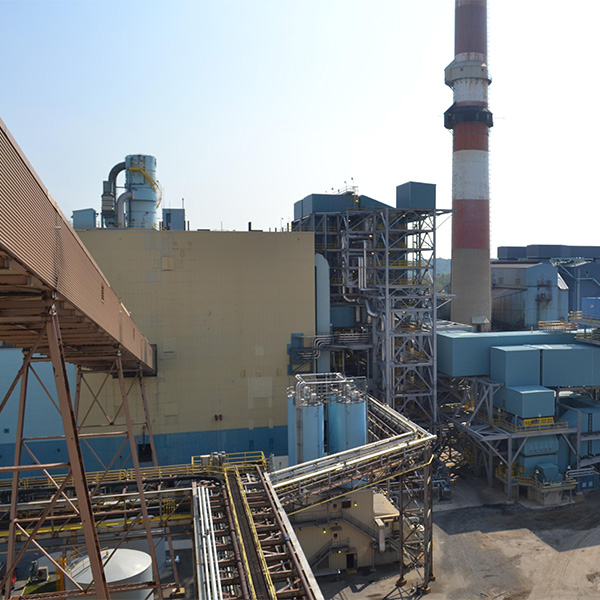
DOE is exceeding its authority by using Federal Power Act Section 202(c) to keep the J.H. Campbell coal plant in Michigan running under several consecutive “emergency” orders, opponents argued in recent court filings with the D.C. Circuit.
AdminMonitor
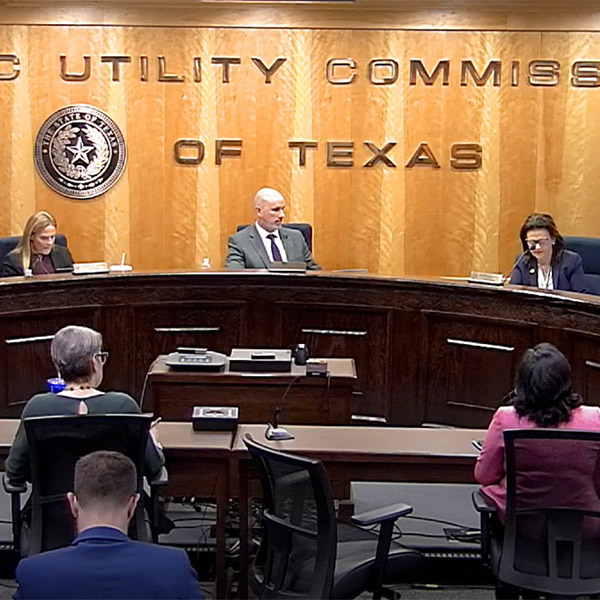
The Texas Public Utility Commission has put out a proposed rule for public comment that would establish the fourth and final program under the Texas Energy Fund, a $1.8 billion backup power program.
Hydro-Québec
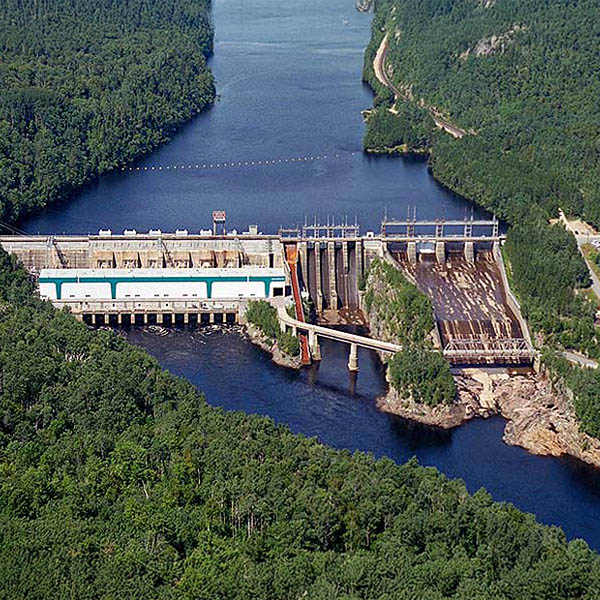
NYISO's Installed Capacity Working Group's final meeting of 2025 focused on proposed manual changes for several projects.

SPP
FERC dismissed as moot a complaint by several public interest organizations over SPP’s accreditation methodologies for thermal and renewable resources.
© RTO Insider LLC
CAISO is proposing a set of tariff changes for submission to FERC early in 2026 to help ease participants into the ISO’s new Extended Day-Ahead Market.
Want more? Advanced Search
