
Resource Adequacy
Resource adequacy is the ability of electric grid operators to supply enough electricity at the right locations, using current capacity and reserves, to meet demand. It is expressed as the probability of an outage due to insufficient capacity.

© RTO Insider
MISO said it will file a one-time waiver with FERC to ensure market participants can replace load-modifying resources impacted by the coronavirus pandemic.

WECC
WECC kicked off a resource adequacy initiative that revealed how the organization hopes to position itself for the future.
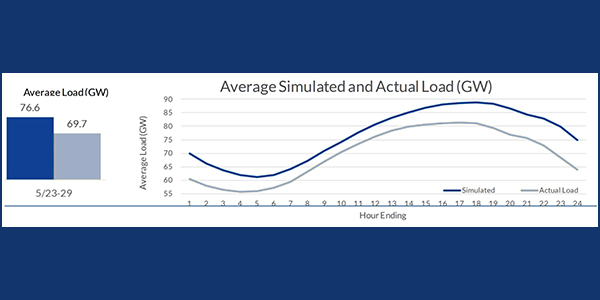
PJM weekday load peaks have come in 10.4% less than than projected before the coronavirus pandemic, the Planning Committee learned.
Unseasonably warm weather has nudged MISO load a little closer to normal this week, though demand is still being compressed by pandemic safety measures.
NYISO has suspended the sequestration of its control room operators as New York begins its recovery from the coronavirus pandemic.

Utility executives urged MISO to prepare for the imminent change sweeping the grid with the increased adoption of renewable and distributed resources.
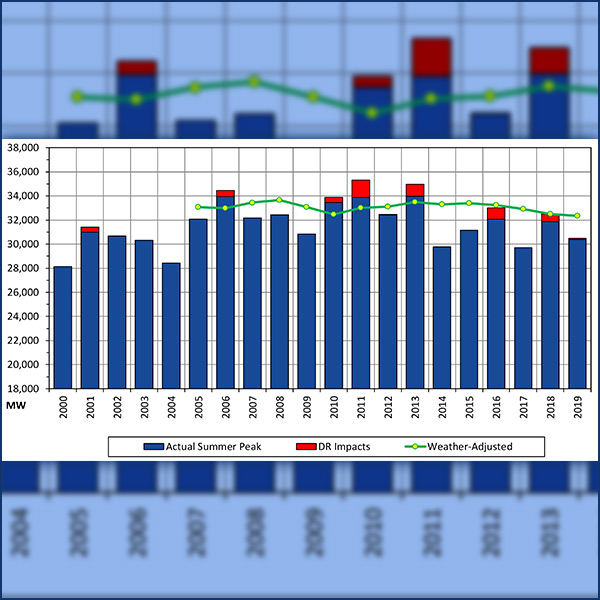
California should have enough capacity to get through this summer’s peak demand but dwindling hydropower and limited imports during late-season heat waves could strain supply, CAISO said.
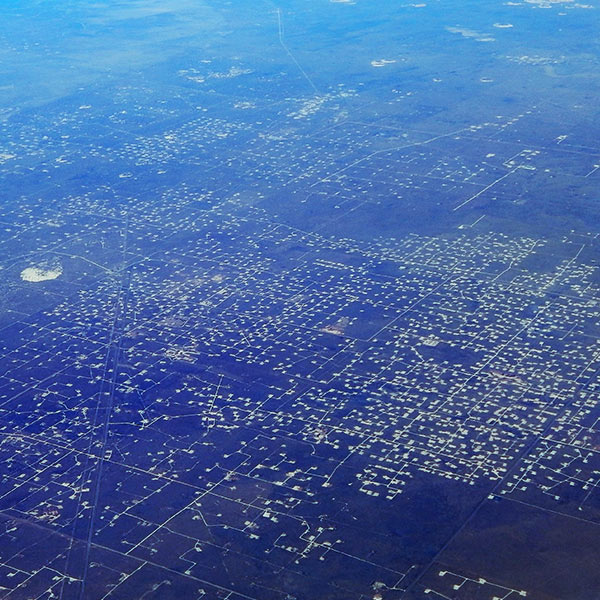
The Environmental Defense Fund on released a report on ERCOT‘s competitive energy-only market that concludes it can meet future demand growth, increase grid resilience and keep energy costs down through demand-side solutions.
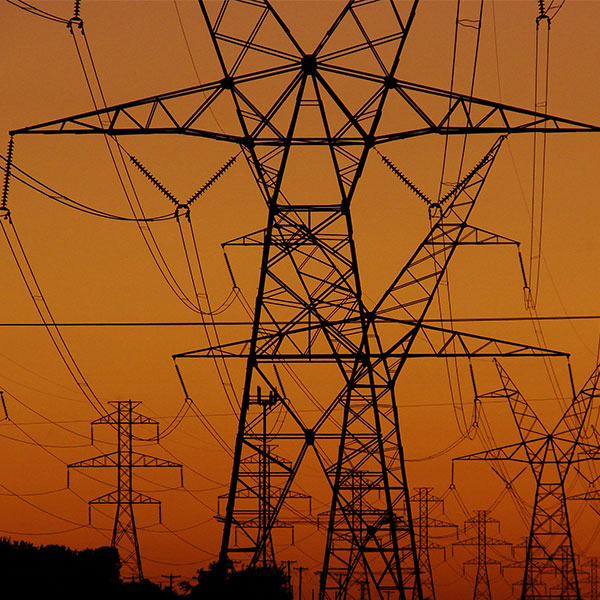
ERCOT said it still expects record demand this summer and the potential need for emergency measures, despite a drop in load from the COVID-19 pandemic.

MISO is contemplating creating a seasonal design for its resource adequacy construct to manage potential reliability risks outside of the summer months.
Want more? Advanced Search
