
Resource Adequacy
Resource adequacy is the ability of electric grid operators to supply enough electricity at the right locations, using current capacity and reserves, to meet demand. It is expressed as the probability of an outage due to insufficient capacity.
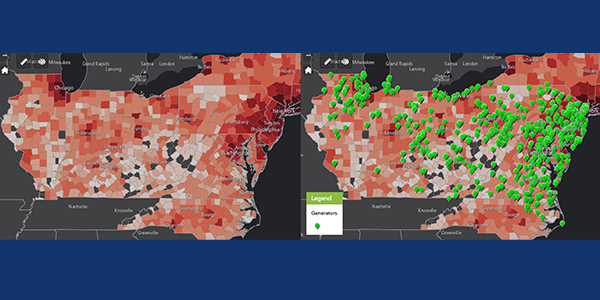
PJM could support the loss of up to 40% of capacity this summer in a worst-case scenario situation in which COVID-19 spreads among plant workers.

The Northwest Power Pool held a webinar on efforts to create a resource adequacy program, discussing FERC oversight and a need to manage the program.
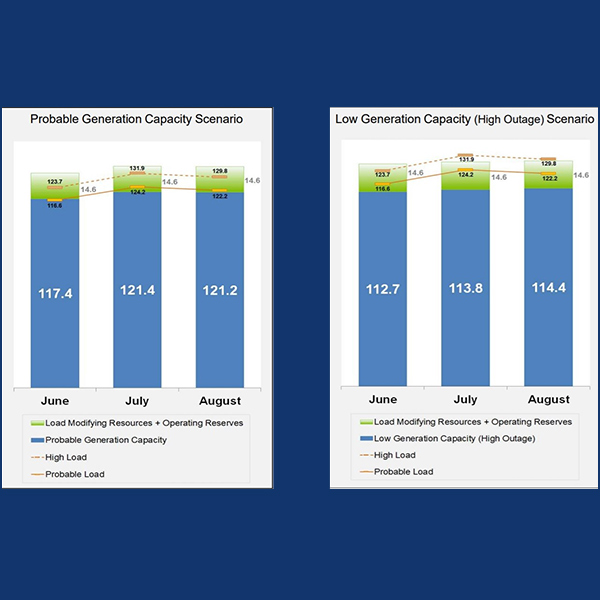
Warmer-than-usual weather this summer means MISO will likely have to declare an emergency, even without heavy loads or a high volume of generation outages.

The Northwest Power Pool is planning a resource adequacy program to ensure sufficient capacity at a time of increasing retirements and shifts toward renewable energy.
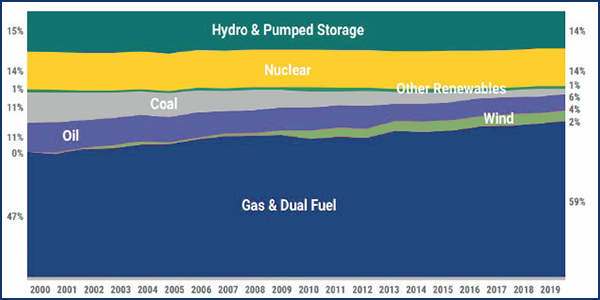
A new initiative will aim to help NYISO improve its monitoring of fuel and energy security across the New York grid, stakeholders heard.
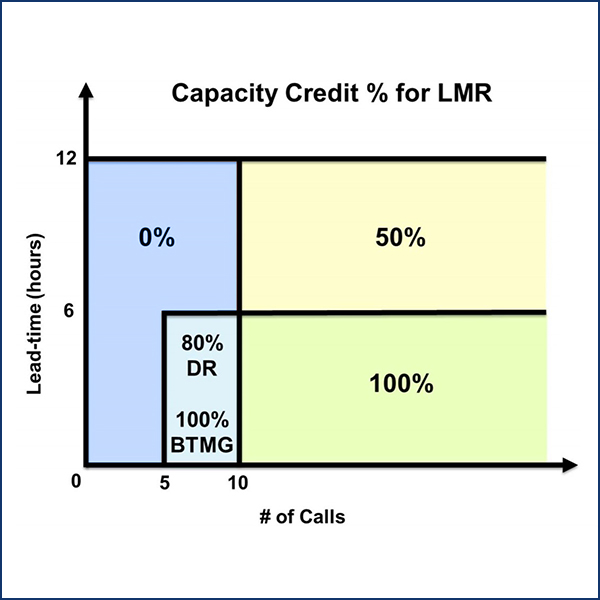
MISO is offering stakeholders a compromise on one of two proposals it will file with FERC, removing a provision that would eliminate capacity credits for slow-response LMRs.
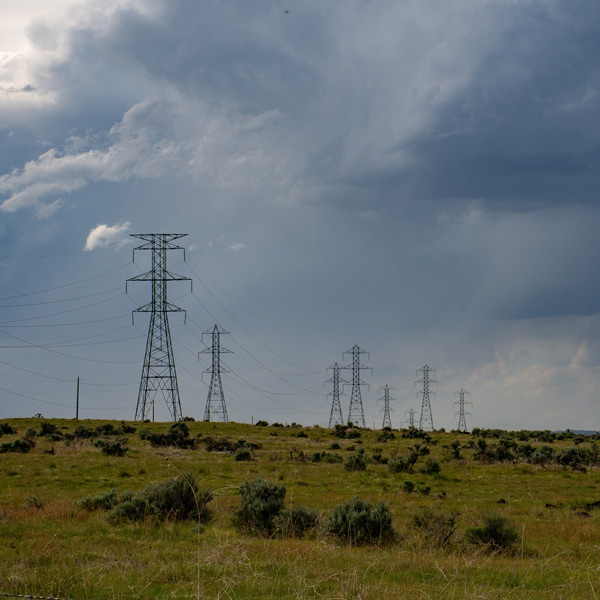
CAISO’s Board of Governors approved $141.7M in transmission spending and reliability-must-run contracts covering three power plants in Central California.
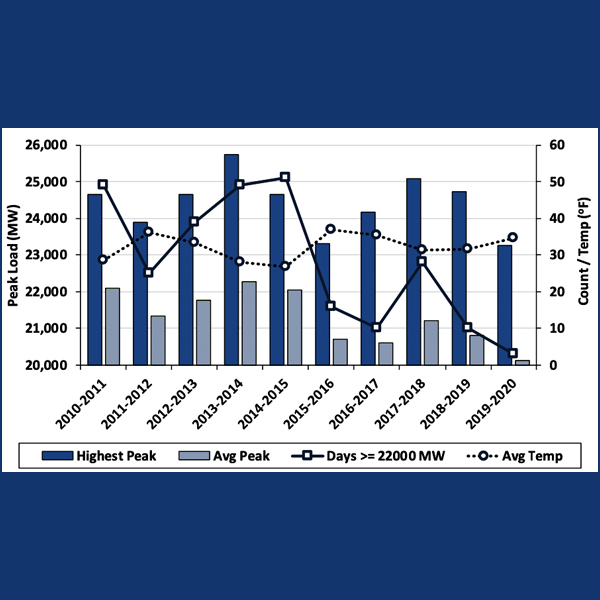
NYISO has sequestered approximately two-thirds of its operations staff on site at its two control centers to prevent infection by the COVID-19 coronavirus.

FERC affirmed its 2018 ruling approving MISO’s current resource adequacy construct, rejecting multiple rehearing requests from critics of the decision.
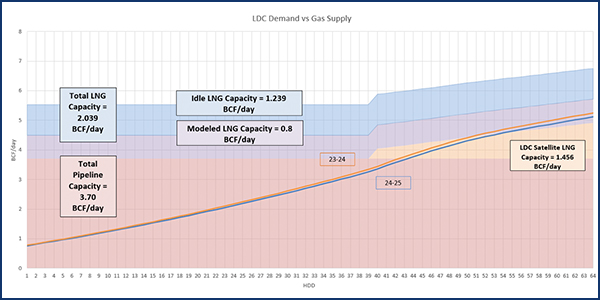
At the NEPOOL Reliability Committee, stakeholders pushed back on ISO-NE’s draft assumptions on improving system fuel security.
Want more? Advanced Search
