
Resource Adequacy
Resource adequacy is the ability of electric grid operators to supply enough electricity at the right locations, using current capacity and reserves, to meet demand. It is expressed as the probability of an outage due to insufficient capacity.

MISO is wrapping up implementation of approved outage rules designed to dissuade capacity resources from taking long outages that could risk supply.

California PUC President Marybel Batjer told lawmakers the commission would move quickly to deal with wildfires, blackouts and PG&E's bankruptcy.
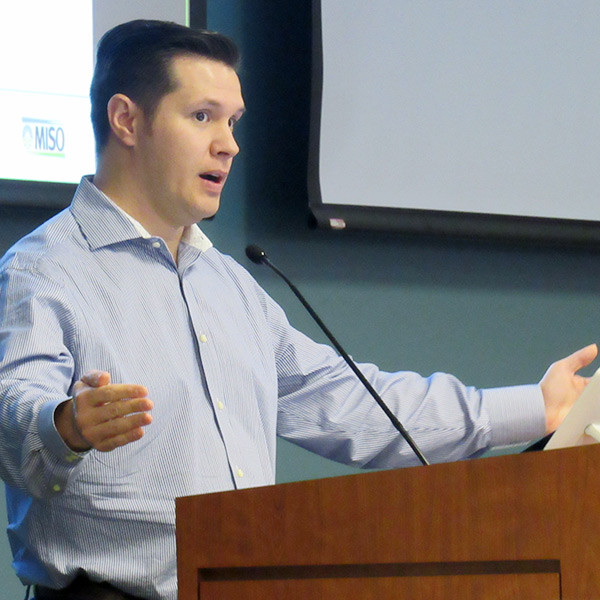
MISO says it may reduce the capacity accreditation of some of its load-modifying resources in an effort to improve resource availability in its footprint.

PG&E's bankruptcy looks likely to continue through the first half of 2020, while CAISO seeks to expand its EIM and meet reliability requirements.

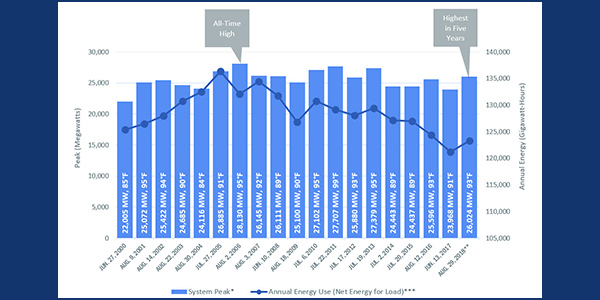
In 2019, ERCOT withstood extreme heat and loss of wind power during some of the hottest days to meet multiple demand peaks exceeding the previous year.
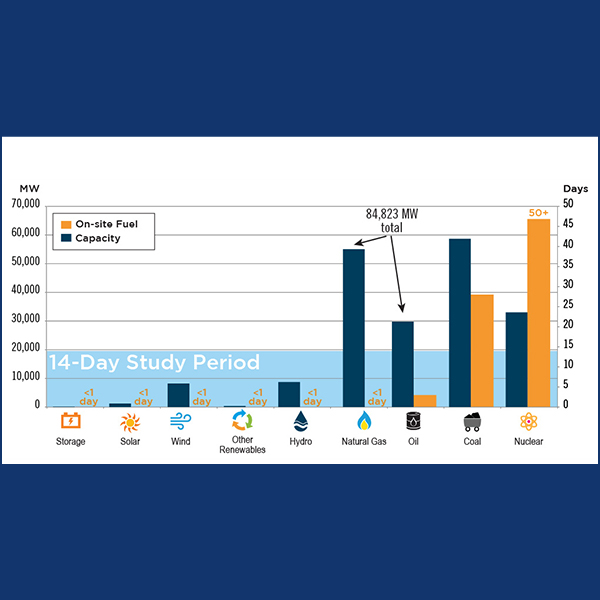
The PJM MRC agreed to sunset the Fuel Security Senior Task Force after determining the RTO seems prepared for any reliability threats.
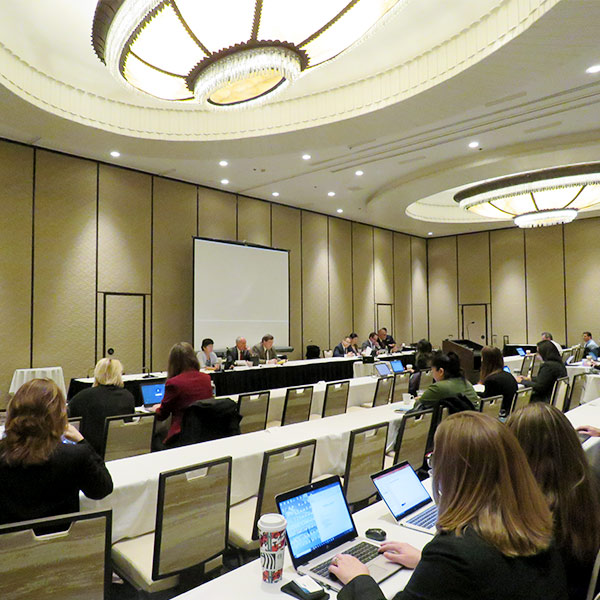
EIM stakeholders reacted coolly to a proposal by Utah’s Deseret Power Electric Cooperative to tighten the market’s rules on transmission feasibility.
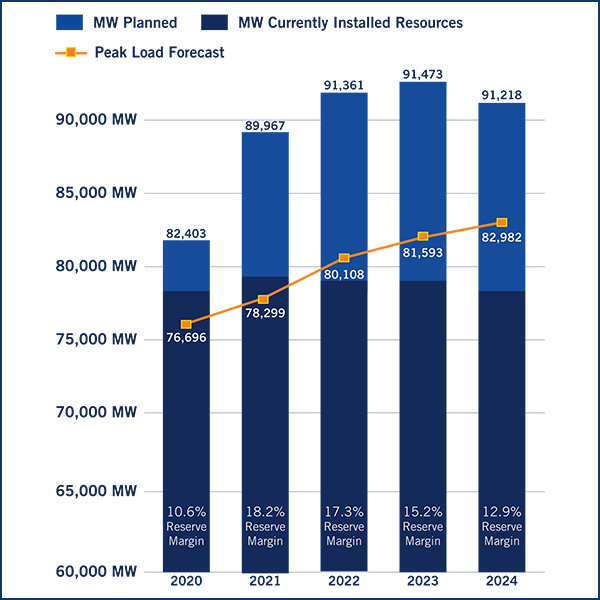
ERCOT will likely welcome back double-digit reserve margins next year and well into the decade, according to the grid operator’s latest CDR report.

MISO says it will look to make improvements to the capacity testing process after sifting through results from its generators and discovering errors.
ISO-NE said the region has sufficient resources to meet peak demand this winter but warned some gas-fired plants may not be able to get fuel when needed.
Want more? Advanced Search
