
Resource Adequacy
Resource adequacy is the ability of electric grid operators to supply enough electricity at the right locations, using current capacity and reserves, to meet demand. It is expressed as the probability of an outage due to insufficient capacity.
Nvidia
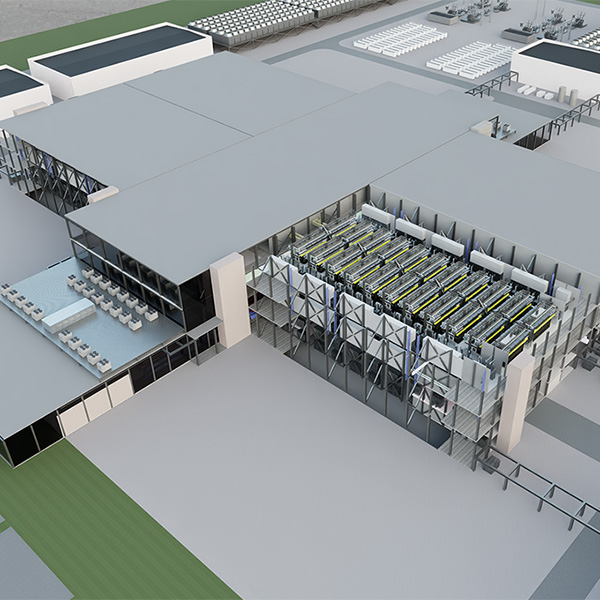
The artificial intelligence industry and power industry are working together to develop the first “power-flexible AI factory” at a 96-MW facility in Manassas, Va.
MISO
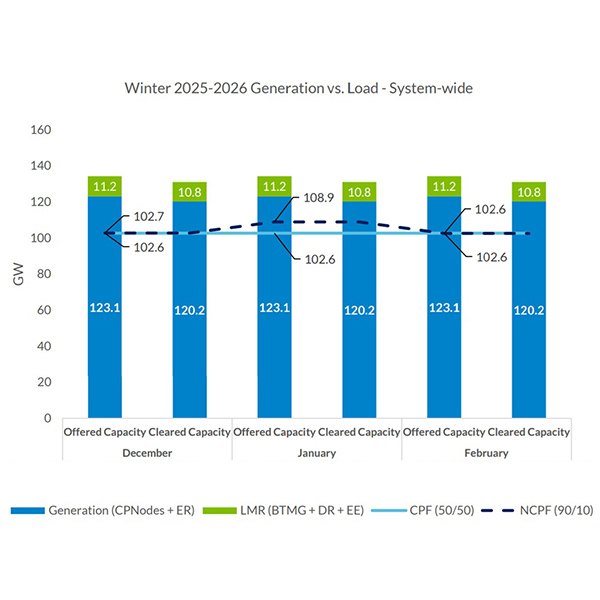
MISO said even a 109-GW peak this winter shouldn’t prove problematic, though a more probable scenario would deliver a 103-GW peak in January.

Camerafiend, CC BY-SA-3.0 via Wikimedia Commons
Calpine, Eugene Water & Electric Board, PGE and PNM joined NV Energy in leaving the Western Resource Adequacy Program, while Idaho Power signaled its continued commitment.

Resources for the Future
Holistic reform to interconnection barriers is essential to meeting rapidly growing power demand across the country, experts said at a recent webinar.

© RTO Insider
Panelists at S&P Global’s Nodal Trader Conference discussed the impact of demand growth and uncertain load forecasts on markets.
NOVVA Data Centers
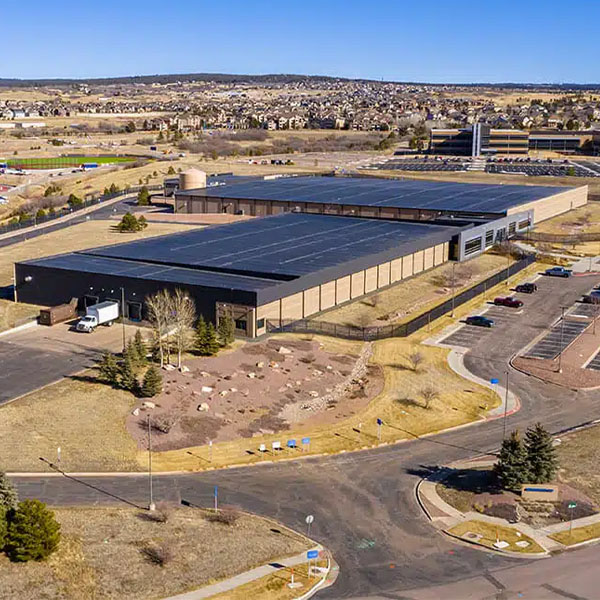
FERC rejected Tri-State Generation and Transmission’s proposed tariff to designed to manage the projected massive growth in data center load confronting its Mountain West member utilities over the next decade.

© RTO Insider
ERCOT can ensure long-term reliability with its energy-only market, but it must operate its grid less conservatively for that to happen, said Potomac Economics President David Patton.
DOE
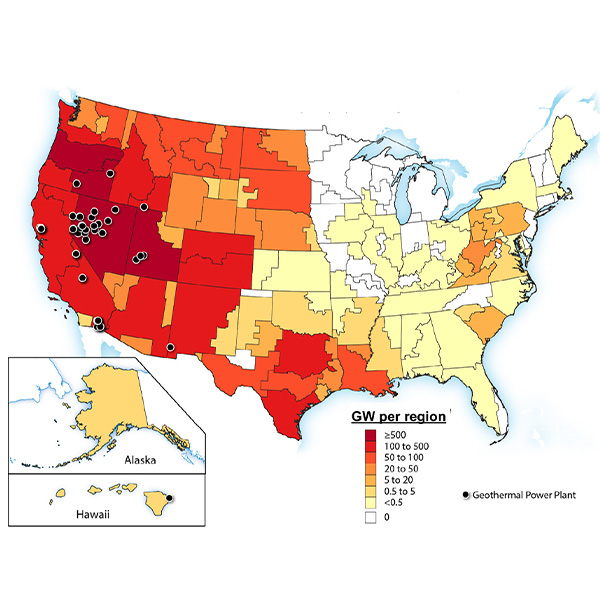
All seven clean energy technologies evaluated for a new report might someday help New York reach its decarbonization goals, but each would require innovation and support to reach that potential.

© RTO Insider
ISO NE CEO Gordon van Welie talked about the evolving grid in New England and how markets are changing and what the future holds as state policies drive higher demand and increasing decarbonization.
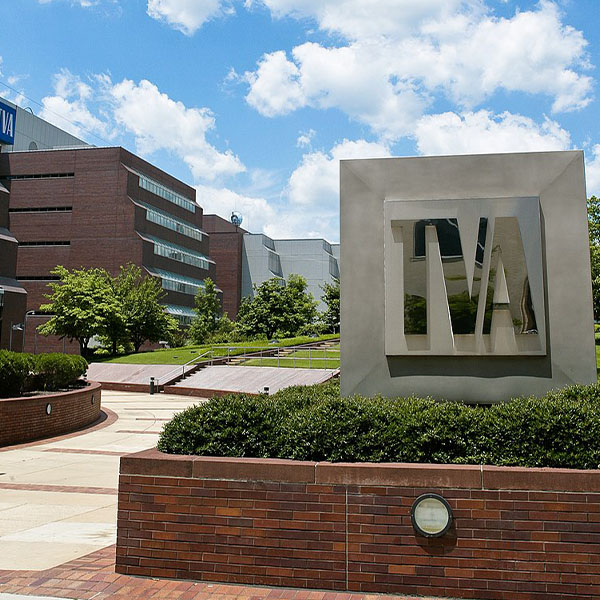
bomazi, CC BY 2.0, via Wikimedia Commons
Each of President Donald Trump’s nominees to the Tennessee Valley Authority’s board of directors said they did not support the privatization of the utility or selling its assets, as feared by some environmentalists.
Want more? Advanced Search
