
Resource Adequacy
Resource adequacy is the ability of electric grid operators to supply enough electricity at the right locations, using current capacity and reserves, to meet demand. It is expressed as the probability of an outage due to insufficient capacity.
© RTO Insider LLC
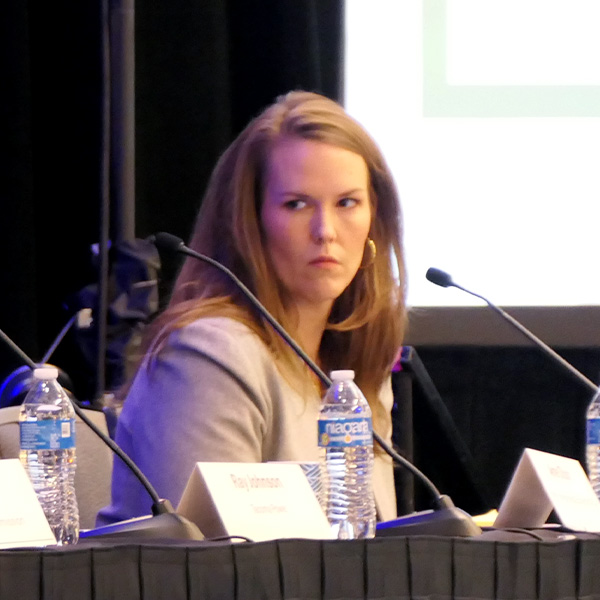
PacifiCorp asked the WPP’s Board of Directors to allow WRAP participants to defer their decision to commit to the program’s binding phase by at least one year.
© RTO Insider LLC
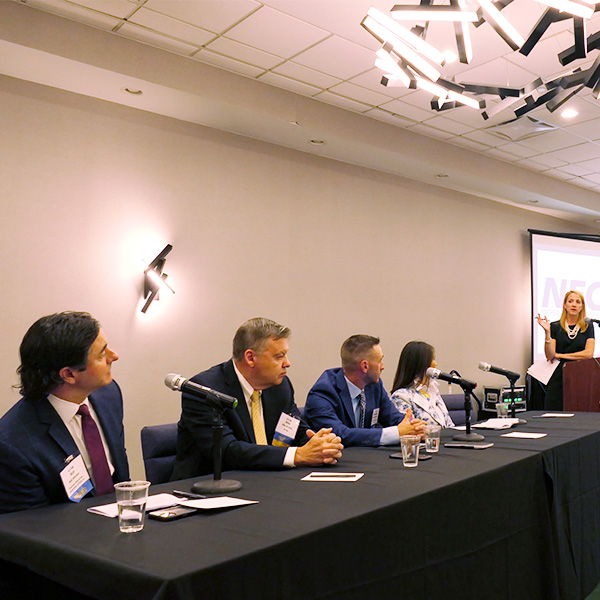
Representatives of major gas pipeline companies said they are optimistic that political shifts at the federal and state levels will create opportunities for gas infrastructure expansion in New England.
Entergy
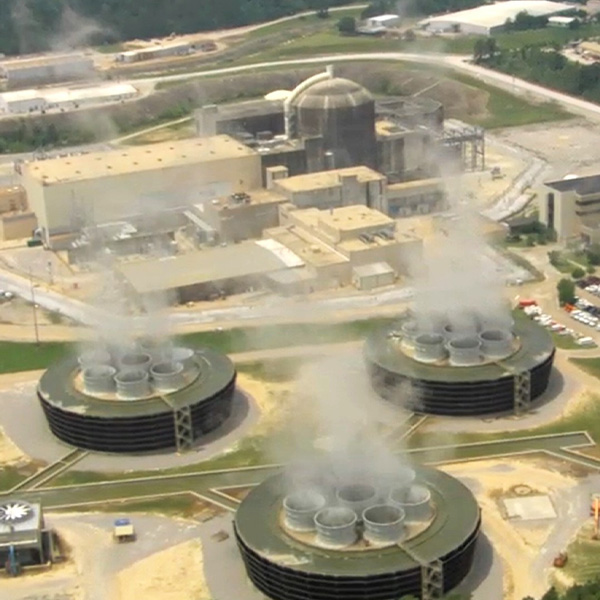
Stakeholders told MISO they need a better explanation of the every-other-day capacity advisories issued for MISO South, which have become customary since the beginning of summer.
© RTO Insider LLC
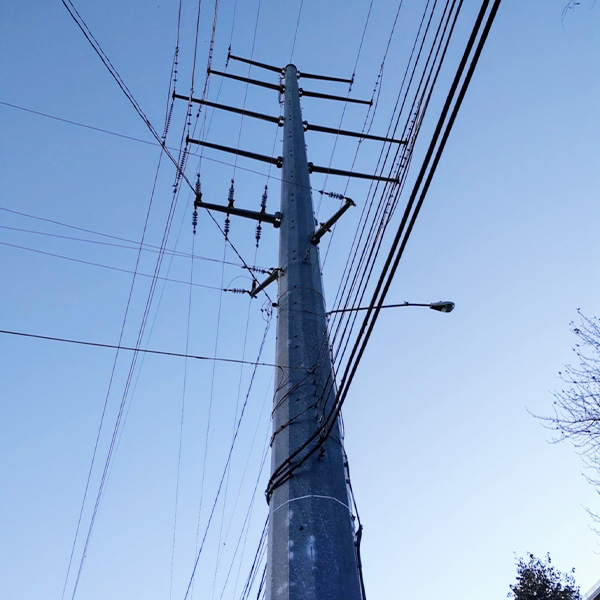
The Western Power Pool’s WRAP secured enough participants for the program to enter the first binding phase after 11 utilities reaffirmed their commitment.

ISO-NE
The PJM Members Committee overwhelmingly voted to appoint Robert Ethier and Le Xie to fill two vacant positions on the RTO’s Board of Managers.
Vistra
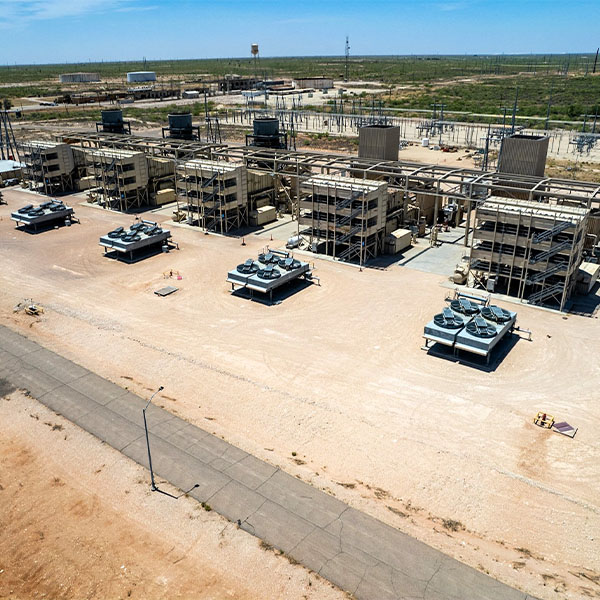
Vistra says it will build two new advanced natural gas power units at its Permian Basin Power Plant in West Texas, adding 860 MW of capacity to a petroleum-rich region that is rapidly undergoing an electrification transformation.
Nebraska Public Power District
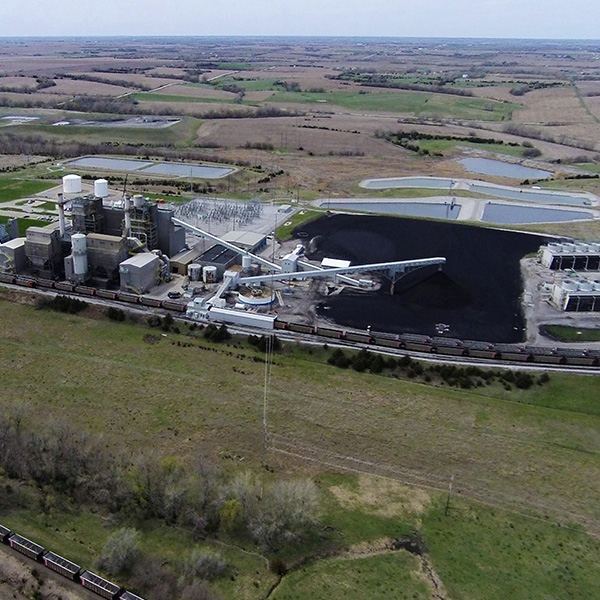
Three cabinet-level agencies announced coordinated policies that are meant to improve coal's position in the energy system by improving power plants, cutting environmental regulations and increasing mining of the fuel.

© RTO Insider
New York, frenetic at the best of times, bordered on frantic when Climate Week coincided with the U.N. General Assembly meeting, writes Dej Knuckey.
© RTO Insider LLC
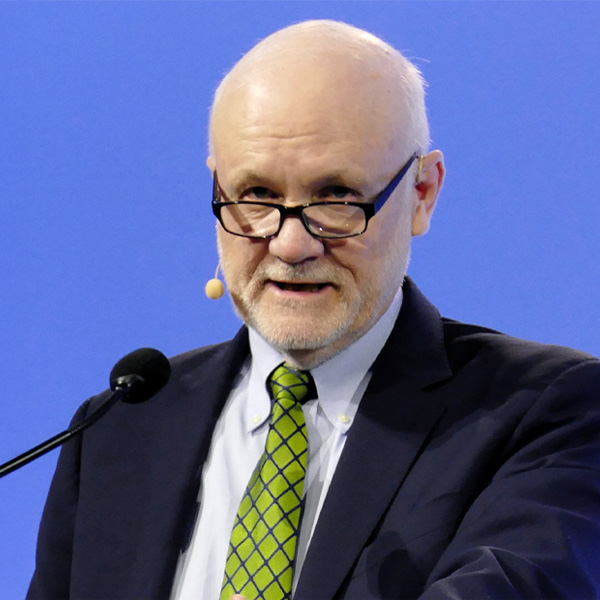
William & Mary Law School announced it has appointed former FERC Chair Mark Christie as the 2025 Lowance Fellow, a visiting professor of the practice of law and the founding director of the school’s new Center for Energy Law & Policy.
NYISO
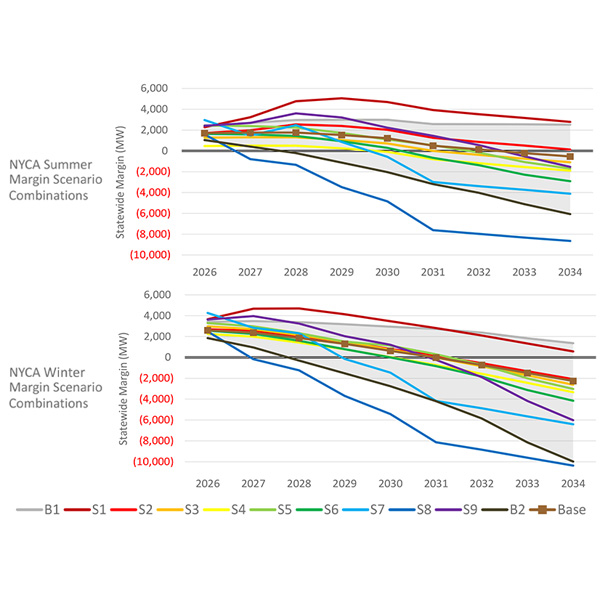
NYISO’s draft 2025-2034 Comprehensive Reliability Plan shows a wide range of possible scenarios for resource adequacy in New York, with the most negative outlook showing a deficit of up to 10 GW by 2034.
Want more? Advanced Search
