
Resource Adequacy
Resource adequacy is the ability of electric grid operators to supply enough electricity at the right locations, using current capacity and reserves, to meet demand. It is expressed as the probability of an outage due to insufficient capacity.
ERCOT
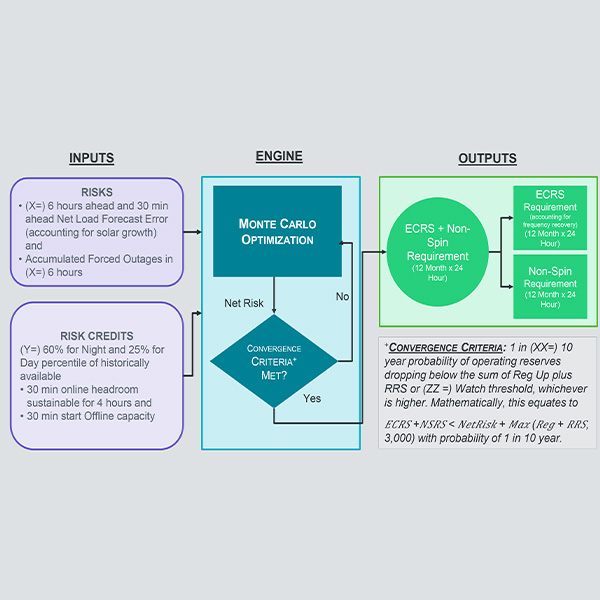
ERCOT’s Board of Directors approved staff’s recommended methodologies for acquiring minimum ancillary service requirements in 2026, despite concerns over conservative operations and target procurement levels.
Consumers Energy
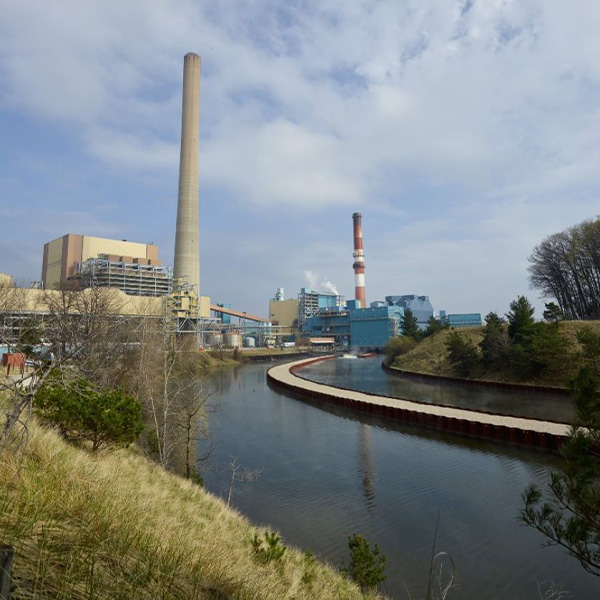
U.S. Energy Secretary Chris Wright said his department is working with utilities around the country to keep more coal plants slated for retirement open to help meet rising demand from data centers and other new large loads.
CAISO
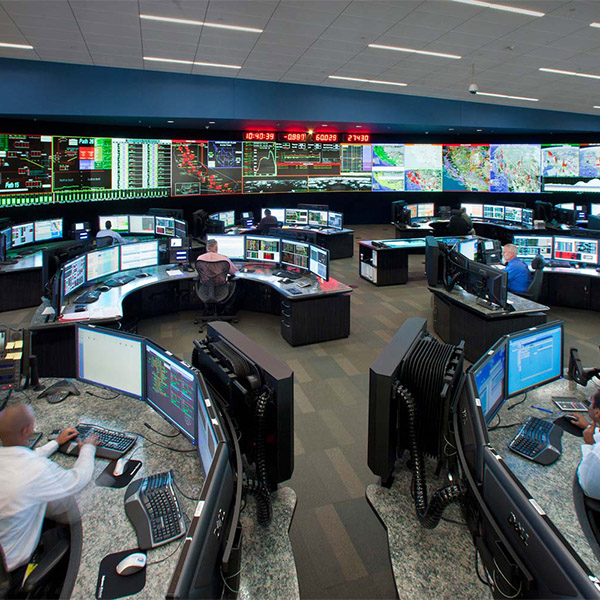
CAISO’s Market Monitor cautioned that a new resource adequacy proposal could lead to strategic gaming in the ISO’s market when capacity supplies are tight on the grid.
Shutterstock
Democrats introduced a FERC-heavy bill to control electricity costs, House Energy & Commerce Committee Republicans tout bills passed out of committee, DOE returns $13 billion and some details from the Dallas Fed survey.
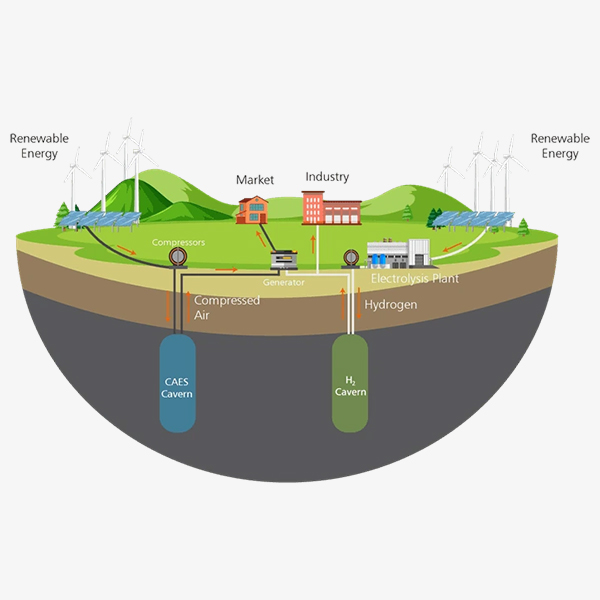
Corre Energy/Long Duration Energy Storage Council
IESO has increased the capacity target for its planned solicitation for long lead-time resources, even as it acknowledges questions about the need for the procurement.
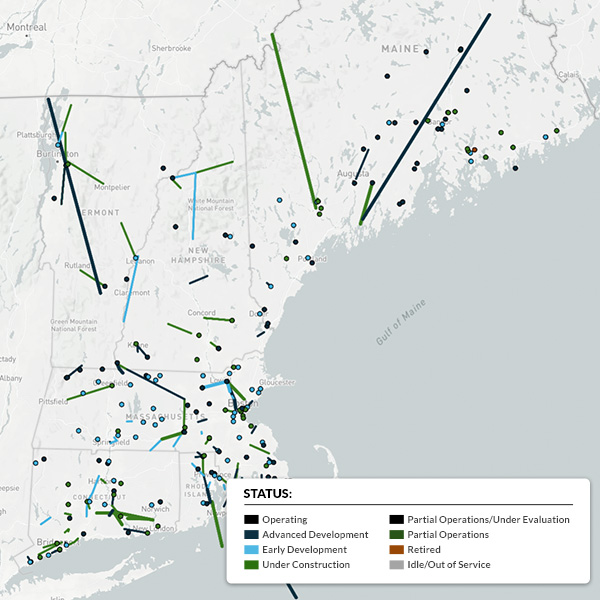
Yes Energy
In New England, rules governing how new resources connect to the regional grid limit full use of the system’s potential. Precious “surplus” capacity can and should be leveraged to interconnect new, low-cost clean energy technologies to deliver more reliable, affordable power, says Alex Lawton.

Shutterstock
Utilities face significant forecasting risks from large loads, prompting the industry to develop various strategies to eliminate speculative projects, experts said during a Western Interstate Energy Board webinar.
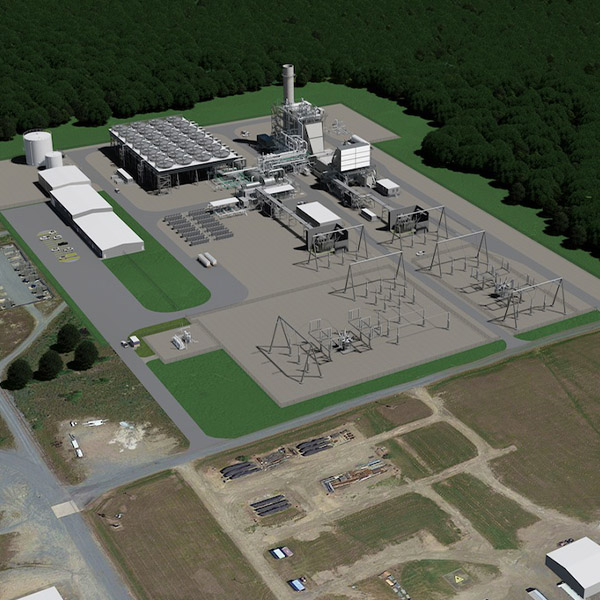
Entergy Arkansas
Entergy Arkansas says a recently enacted Arkansas law strengthens the case for its plan to build a new gas-fired plant, a proposal that has drawn criticism from the state’s attorney general and regulatory staff.
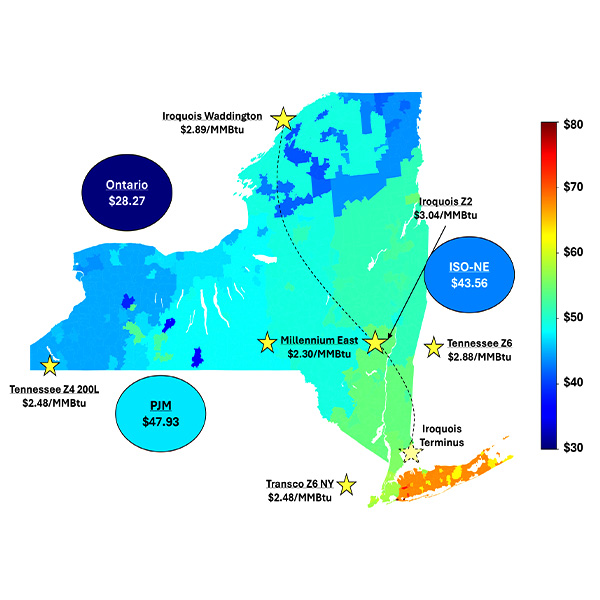
Potomac Economics
As NYISO continues its Capacity Market Structure Review, the Market Monitoring Unit used its second-quarter State of the Market report to highlight potential issues with how the ISO forecasts resource availability.
NREL
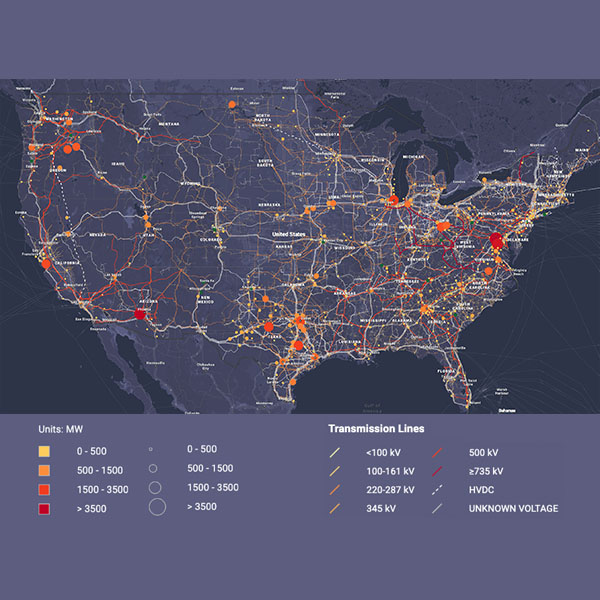
The U.S. Department of Energy is kicking off its Speed to Power initiative by seeking input on large-scale grid projects that would serve large-scale data centers.
Want more? Advanced Search
