Resource Adequacy
Resource adequacy is the ability of electric grid operators to supply enough electricity at the right locations, using current capacity and reserves, to meet demand. It is expressed as the probability of an outage due to insufficient capacity.
AdminMonitor
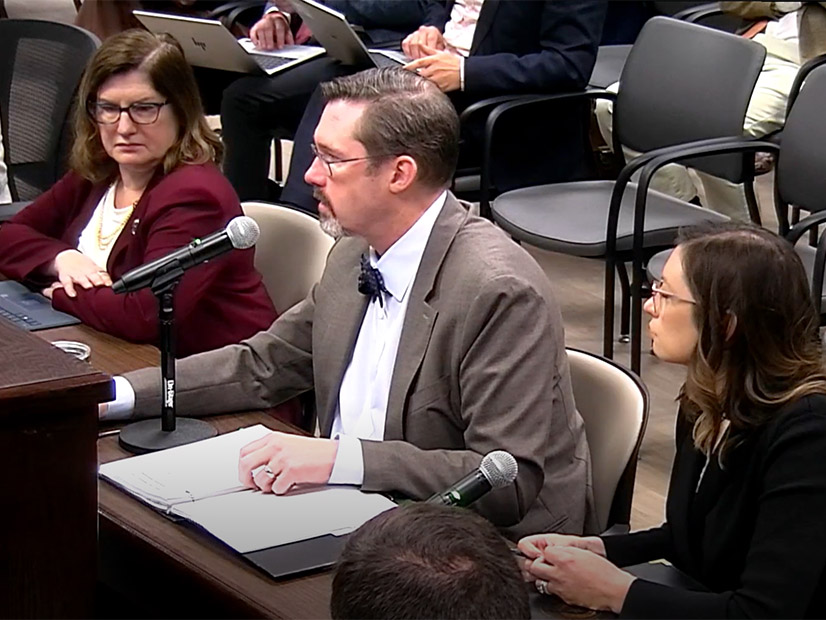
The Texas Public Utility Commission filed a proposed rule change that would establish interconnection standards for large load customers and support business development while maintaining system reliability.

Virginia Department of Historic Resources
The Virginia General Assembly wrapped up its session and Democrats used the power they won in November's elections to push through bills favoring clean energy as the state faces significant load growth from data centers.

© RTO Insider
The push to develop a resource adequacy program serving non-CAISO members of the ISO’s Extended Day-Ahead Market appears to be gathering momentum, with backers saying they aim to produce a draft design for the program in April.
NYISO
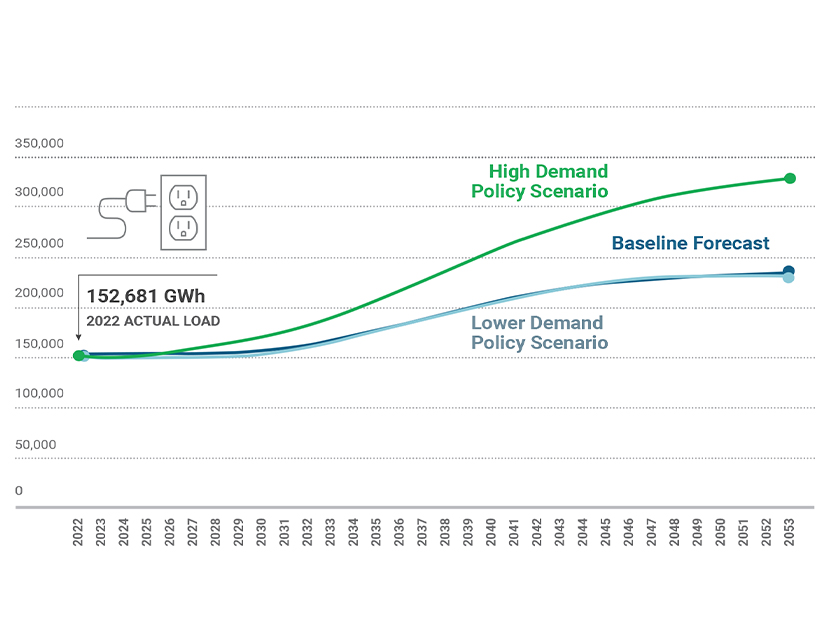
Gaming by different stakeholders can present regulators with biased forecasts, which would require special regulatory-staff expertise to uncover, warns energy consultant Kenneth W. Costello.

Shutterstock
Oregon and Washington lawmakers are exploring ways to build new transmission independent of the Bonneville Power Administration.
Texas RE
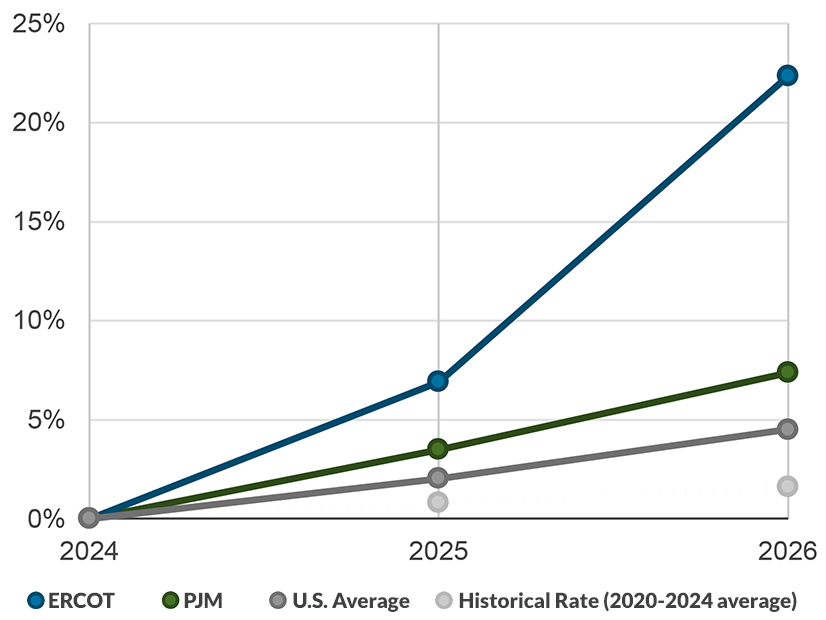
A speaker at a recent Texas RE webinar discussed the potential risks posed by the growth of artificial intelligence.

Duke Energy
Duke Energy entered a pair of settlements in North and South Carolina on its proposal to combine Duke Energy Carolinas and Duke Energy Progress, which needs approval from both states’ regulators.
Motor City Electric Utilities
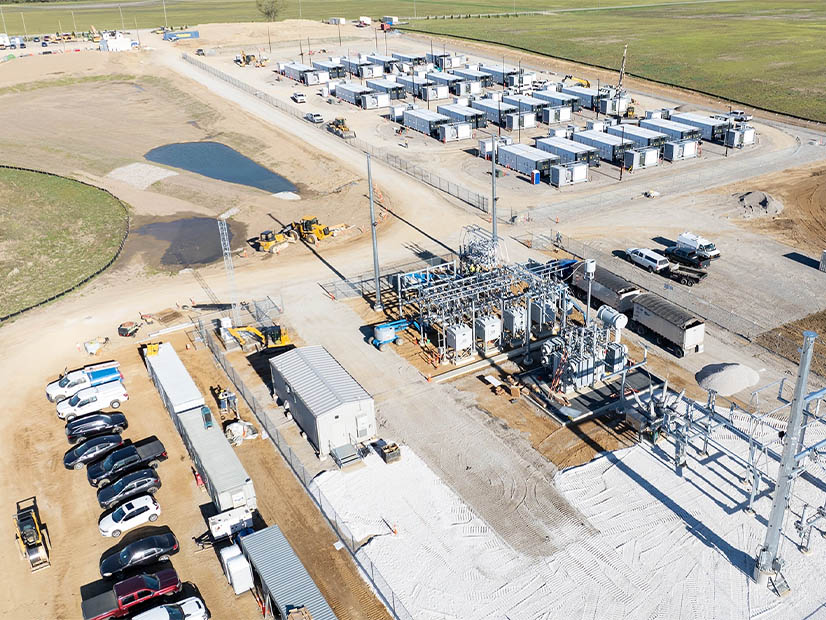
MISO announced a third, 8-GW cycle of generation projects to enter its fast-tracked interconnection process, its largest cluster yet.
InfraPartners, Emerald AI
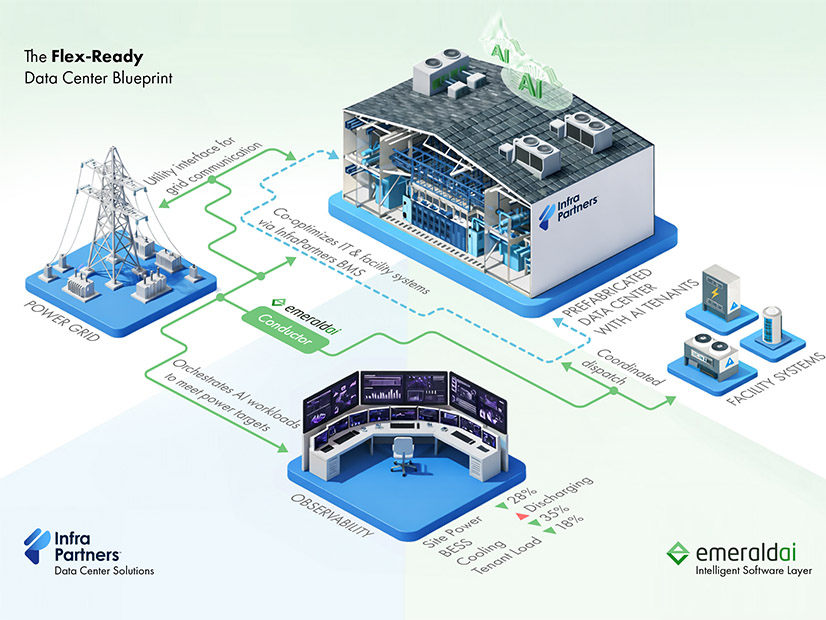
InfraPartners and Emerald AI's new partnership aims to embed flexibility from the start in data centers, which can make the facilities work much more smoothly with the power grid.
PJM
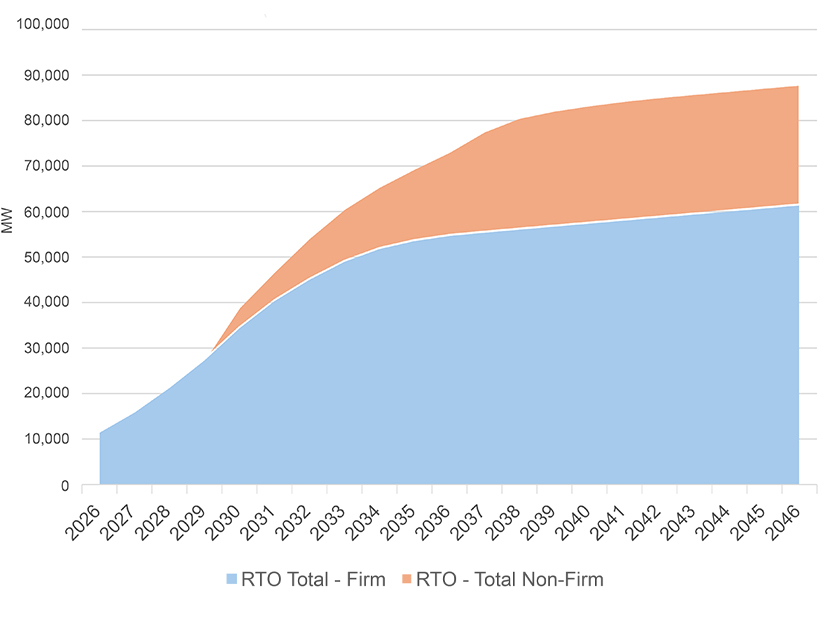
PJM has updated its thinking on the design of its reliability backstop procurement to meet rising data center load, gravitating toward a model in which the RTO would determine the amount of capacity to be purchased and act as the administrator and counterparty to the resulting agreements.
Want more? Advanced Search