
Resource Adequacy
Resource adequacy is the ability of electric grid operators to supply enough electricity at the right locations, using current capacity and reserves, to meet demand. It is expressed as the probability of an outage due to insufficient capacity.
Lone Star Industrial Park
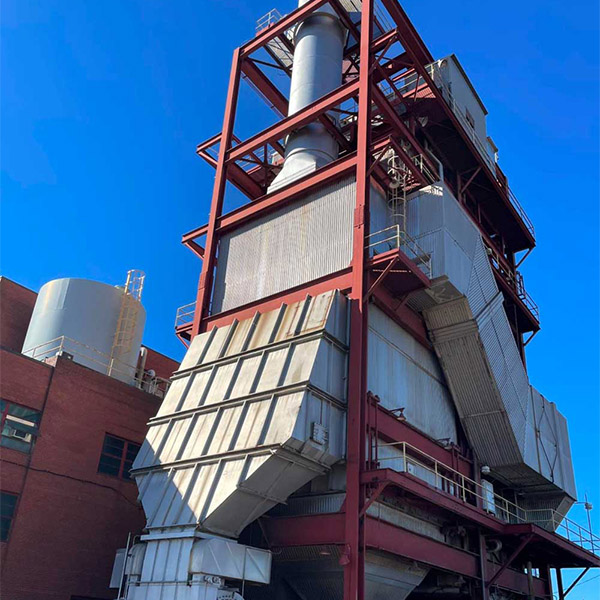
The troubled Texas Energy Fund has lost two more projects from its original list of applicants, raising questions about its ability to quickly add 10 GW of gas-fired dispatchable resources to the ERCOT grid.
EIA
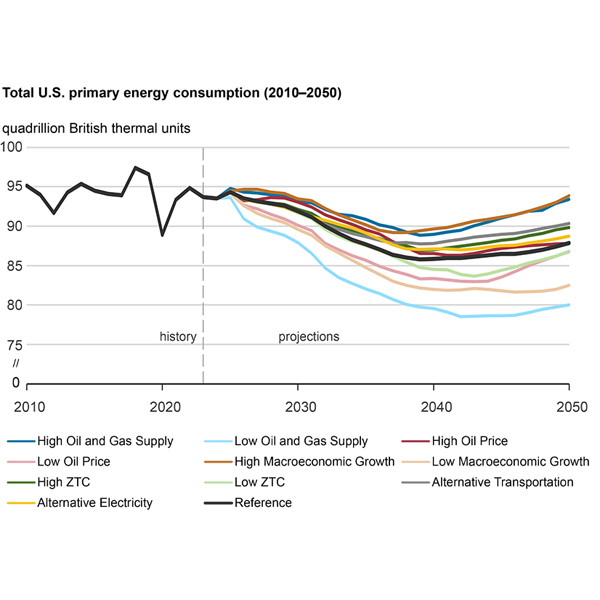
The U.S. Energy Information Administration predicts sharp increases in renewable power generation and sharp decreases in coal-fired power in its 2025 Annual Energy Outlook.
McDermott International
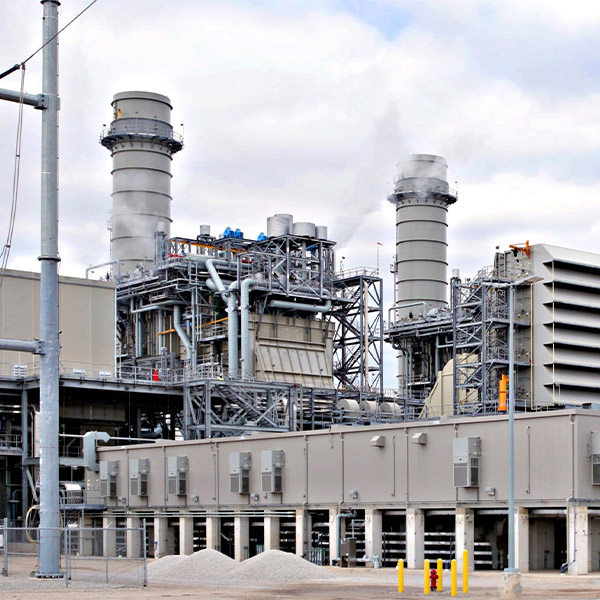
An appeals court has denied Entergy’s repeat attempt to revive a 50% minimum capacity obligation rule for MISO’s load-serving entities, concluding Entergy lacked standing.
© RTO Insider
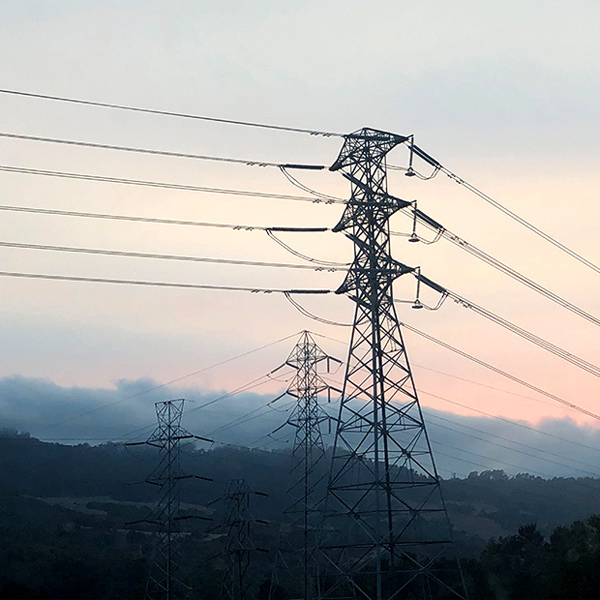
The CEC on approved revised guidelines for a reliability program after the state’s utility regulator said the effort could undermine certain benefits of a separate reliability program run by Pacific Gas and Electric.

Shutterstock
PJM and Alphabet on April 10 announced a partnership to develop a suite of new tools using artificial intelligence to speed the RTO’s generation interconnection process.
The Brattle Group
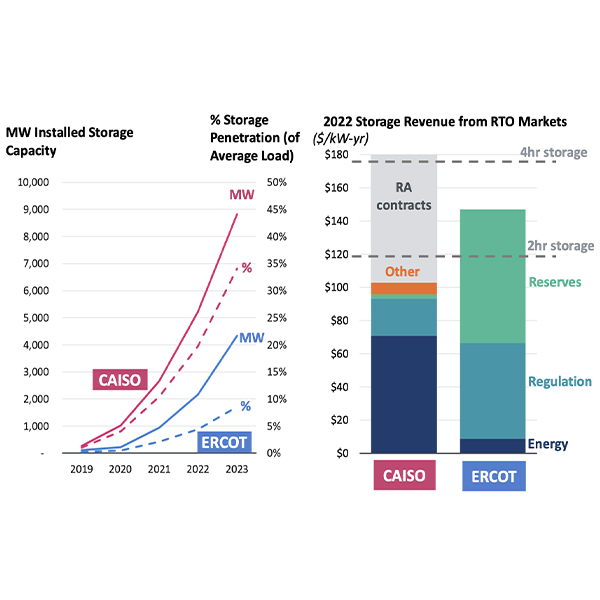
ACP released a report produced by The Brattle Group laying out how organized markets can replicate the success CAISO and ERCOT have had in deploying energy storage resources.
NYISO
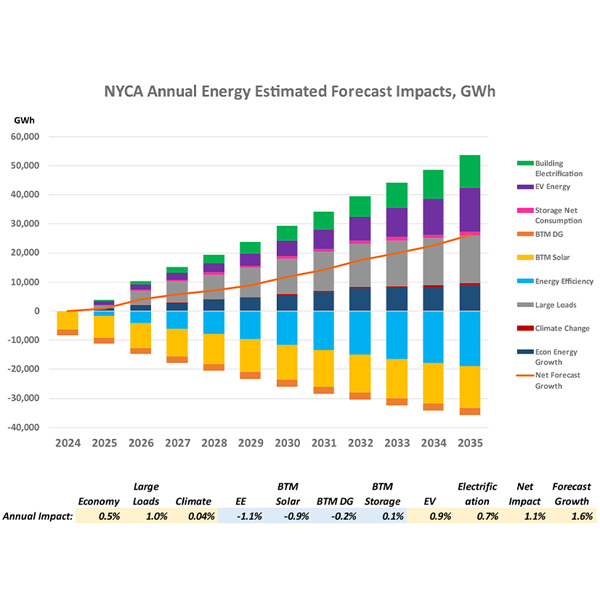
NYISO continues to find a reliability need for New York City this summer and two peaker plants in the city should be allowed to continue operations into 2027 if necessary, according to sensitivity results for the first-quarter Short Term Assessment of Reliability.
ERCOT
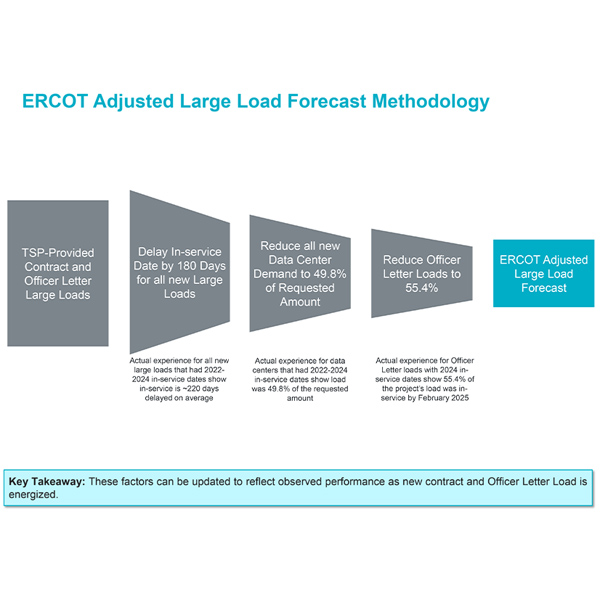
ERCOT has unveiled a long-term load forecast for 2031 that adjusts projections provided by transmission providers and accounts for the uncertain nature of data centers and other large users.

Entergy Texas
MISO’s proposal to use a temporary “fast lane” in its interconnection queue to speed up necessary resource additions would give utility-owned generation preferential treatment, according to protesters’ comments filed with FERC.
Shutterstock
New Jersey lawmakers pushed back on the state’s all-electricity, clean-energy strategy at a heated committee hearing, urging an all-the-above approach as PJM faced criticism for failing to foresee a dramatic hike in demand.
Want more? Advanced Search
