
Resource Adequacy
Resource adequacy is the ability of electric grid operators to supply enough electricity at the right locations, using current capacity and reserves, to meet demand. It is expressed as the probability of an outage due to insufficient capacity.
Yes Energy
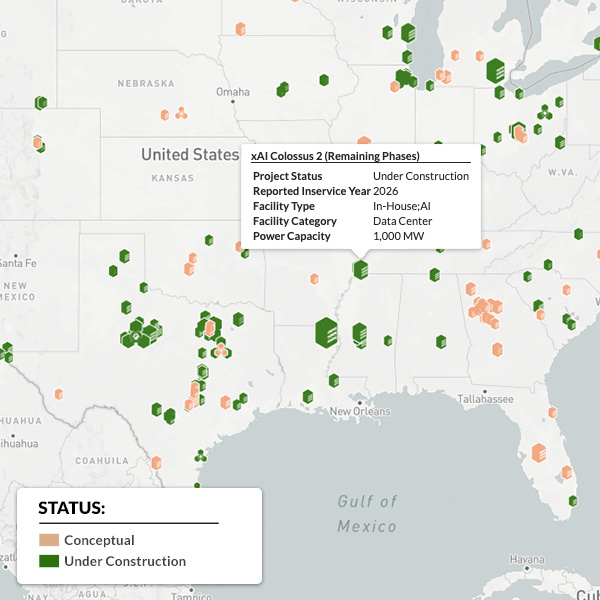
Cleanview released a report putting numbers to a trend where many hyperscale data center developers are building dirtier, more quickly available generation to cash in on the AI boom.
© RTO Insider
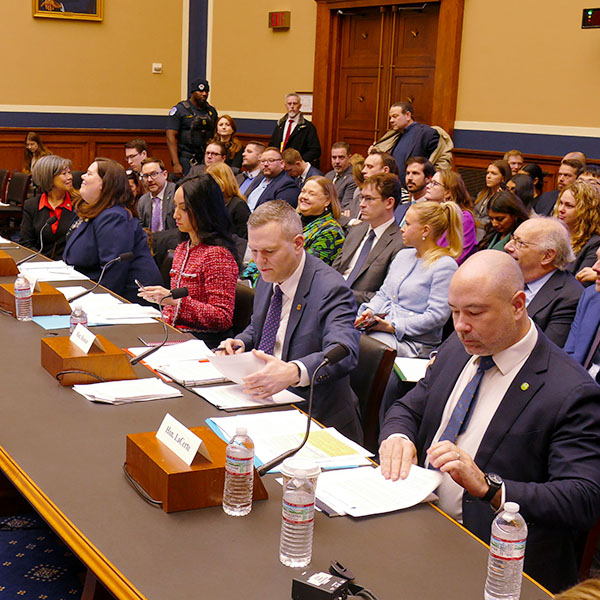
All five FERC commissioners faced questions from the House Energy and Commerce Subcommittee on Energy on how to balance reliability and affordability as demand grows.
Entergy
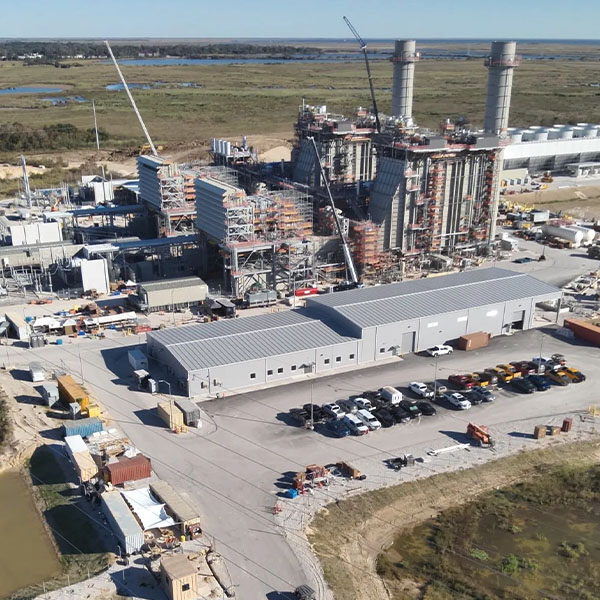
The new ERAS processes in MISO and SPP allow certain power plants to effectively jump the interconnection line, skipping ahead of hundreds of other projects already waiting their turn, writes Southern Renewable Energy Association Executive Director Simon Mahan.
Shutterstock
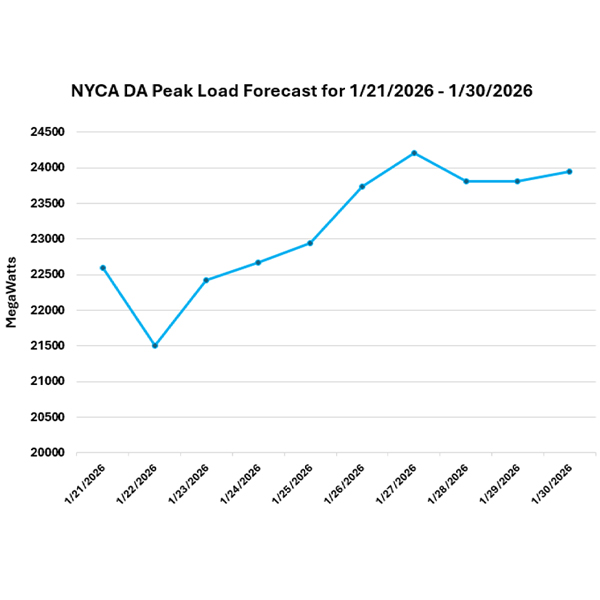
NYISO began what is expected to be a yearlong effort of revising its Reliability Planning Process at a Transmission Planning Advisory Subcommittee meeting.
NYISO
New York generators had to rely on oil as gas was scarce throughout the Eastern Interconnection during the Jan. 25-27 winter storm, NYISO said in a preliminary analysis.
Shutterstock
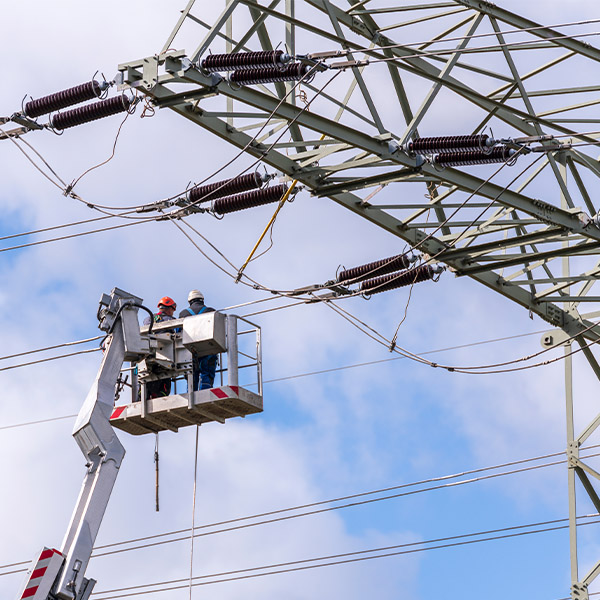
FERC approved revisions to PJM’s tariff to streamline the process for the owners of a deactivating resource to transfer its capacity interconnection rights to a new unit at the same point of interconnection.
AdminMonitor
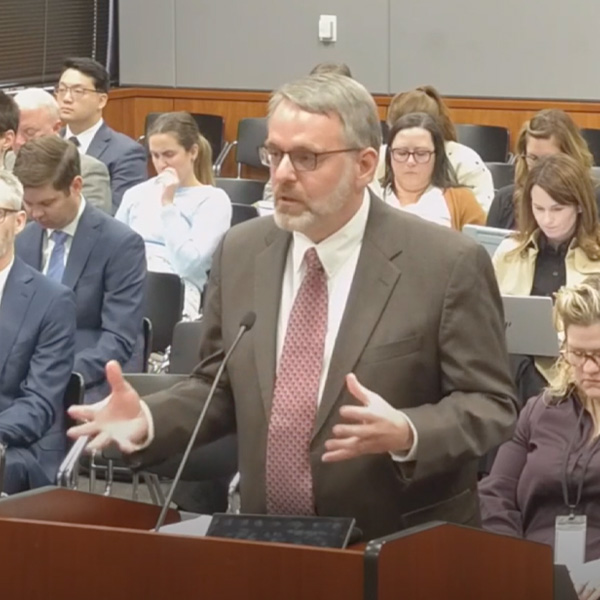
ERCOT says it leaned on Texas’ 15 mobile generating units and an RMR unit during the state’s first major cold-weather event since 2021’s disastrous Winter Storm Uri.
© RTO Insider LLC
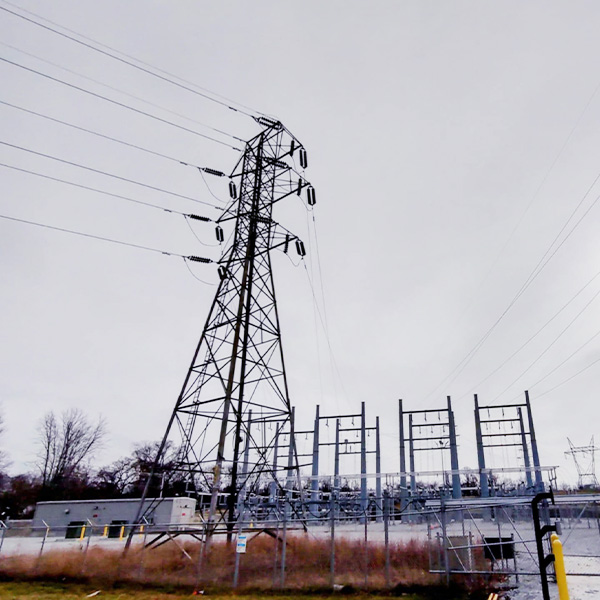
MISO has deferred plans for an all-encompassing future-looking assessment that relies on member data after state regulators appeared hesitant about the move.
Xcel Energy
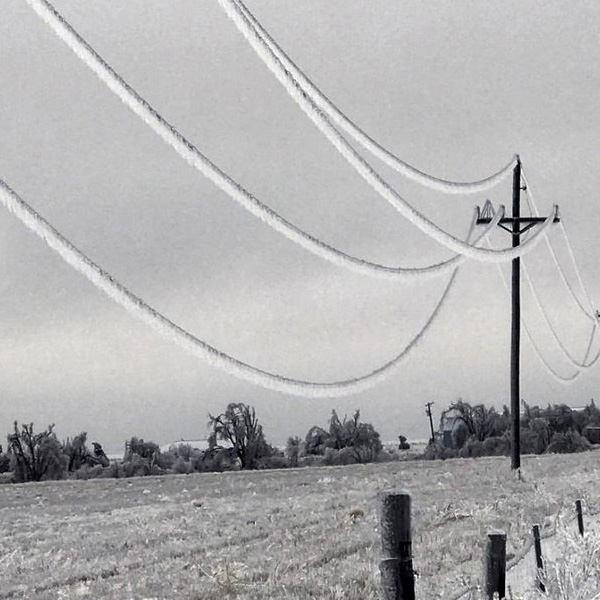
The North American grid made it through the winter storm of Jan. 24-26 — dubbed “Fern” by The Weather Channel — relatively unscathed, but the cold weather gripping much of the U.S. and Canada continues, and cold snaps in the future will still stress the interconnected power and natural gas systems.
Shutterstock
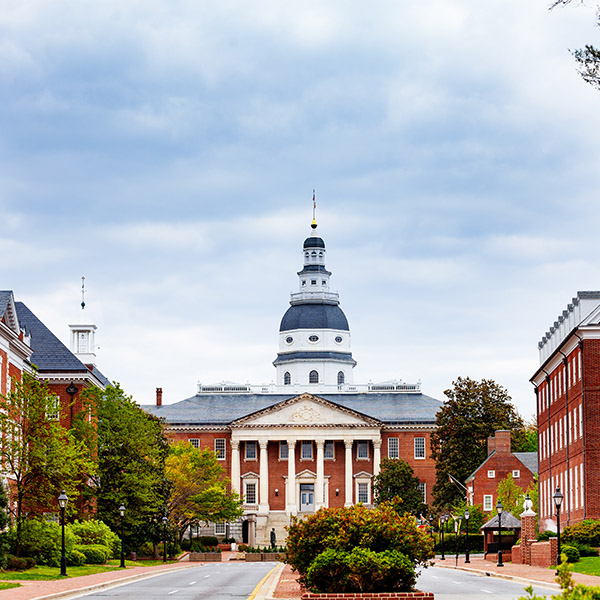
Maryland's 2026 legislative session could show how states facing explosive demand growth can achieve their clean energy and affordability goals despite the Trump administration’s resistance to solar, wind and storage, according to Livewire columnist K Kaufmann.
Want more? Advanced Search
