
Transmission Planning
Pattern Energy
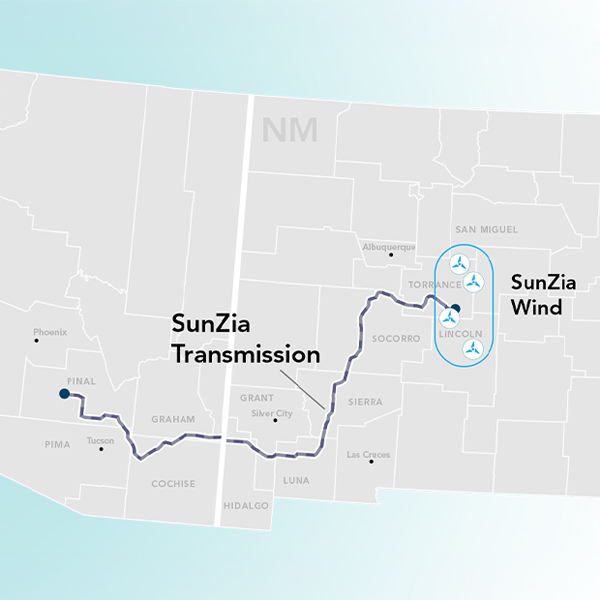
FERC approved the non-rate terms of SunZia Transmission’s proposed transmission owner tariff but sent the tariff’s non-subscriber usage rate to a settlement process and potential hearing.
© RTO Insider
MISO’s end-use customers called for more “insight and transparency into” the variance analysis as well as a lower, 10% threshold on cost overruns to trigger the analysis.
MISO
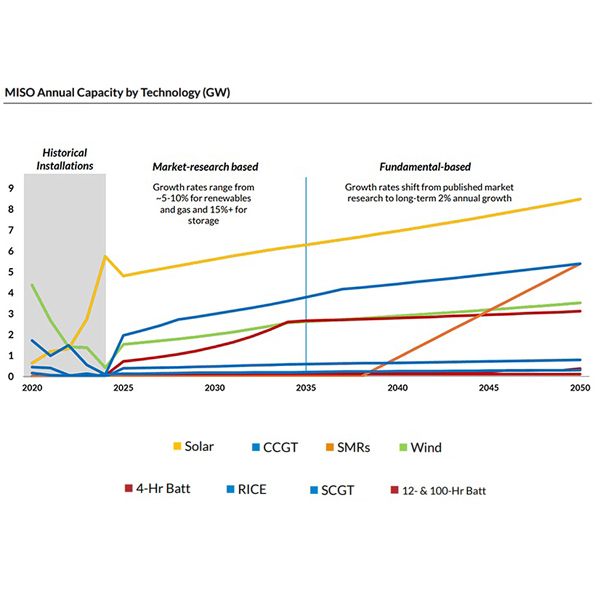
MISO is on its way to installing a fourth, 20-year future to inform transmission planning in case supply chains remain unsteady.
Resources for the Future
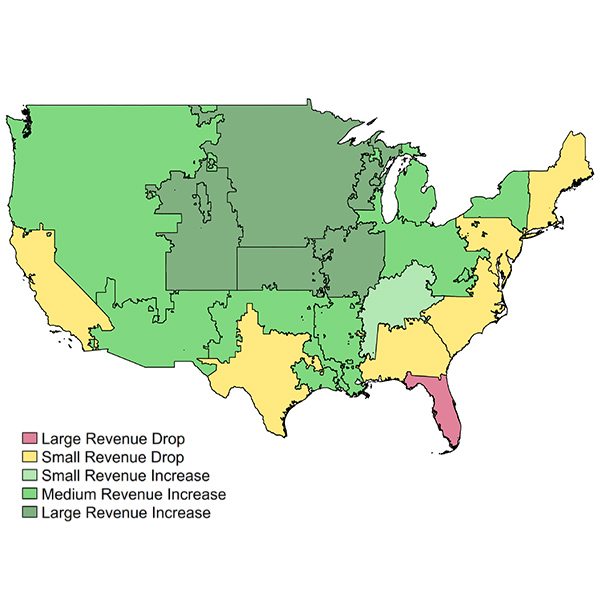
Authors of a new report say better market integration and reduced interregional constraints in the U.S. transmission network would have saved as much as $12 billion in 2022 and 2023.

© RTO Insider
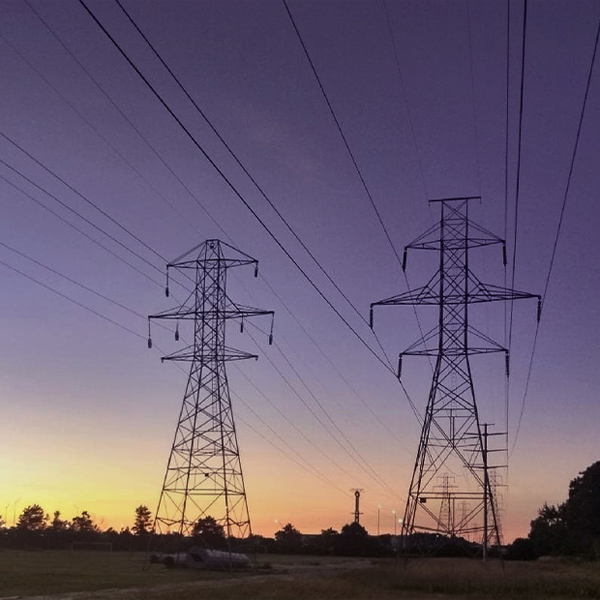
Recent developments made speakers at the annual New York Energy Summit optimistic that the state's permitting process will be getting faster.
© RTO Insider
FERC dealt with a rehearing request in Order 1920-B, largely rebutting arguments from transmission owners that the rule's requirement to file state cost allocation agreements impinges on their rights.
DOE
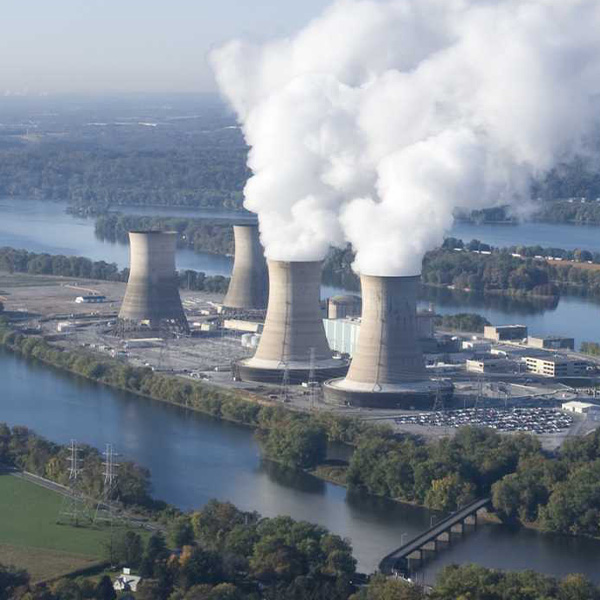
As the Department of Energy explores using federal land for data centers powered by nuclear power, experts say public-private risk-sharing will be crucial to make nuclear a viable option.
© RTO Insider
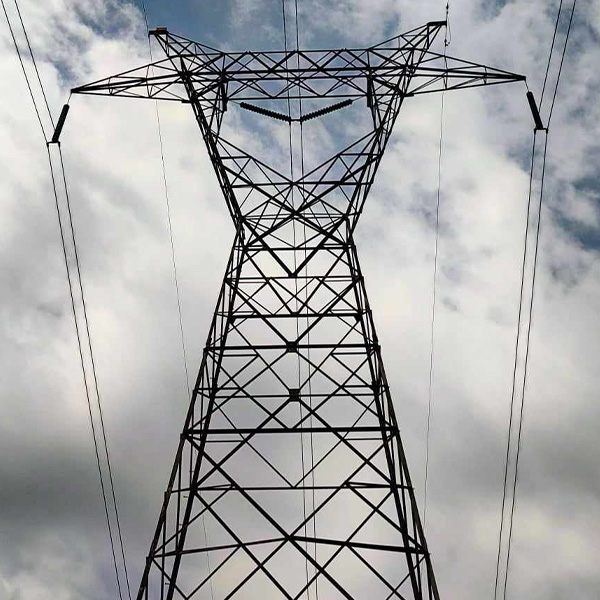
The Edison Electric Institute, GridWise Alliance and WIRES asked FERC to end a proceeding that has been open for five years to consider cuts to transmission incentives.
PJM
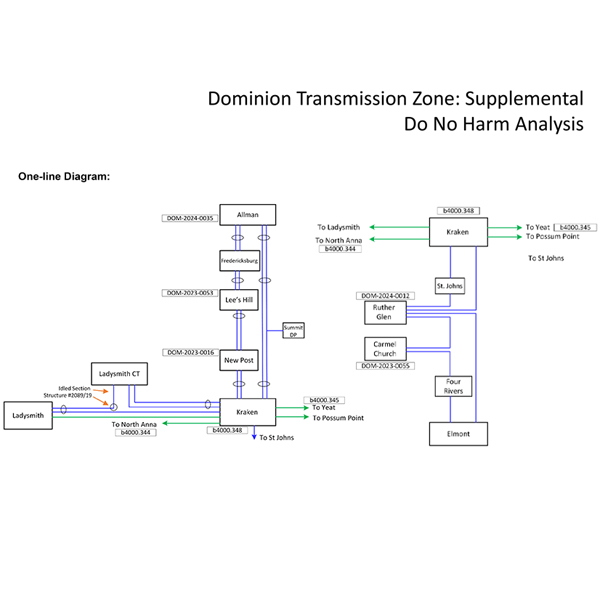
PJM presented a $97 million increase to a project included in the 2022 Regional Transmission Expansion Plan that would remove two 230-kV lines and reroute them.
© RTO Insider
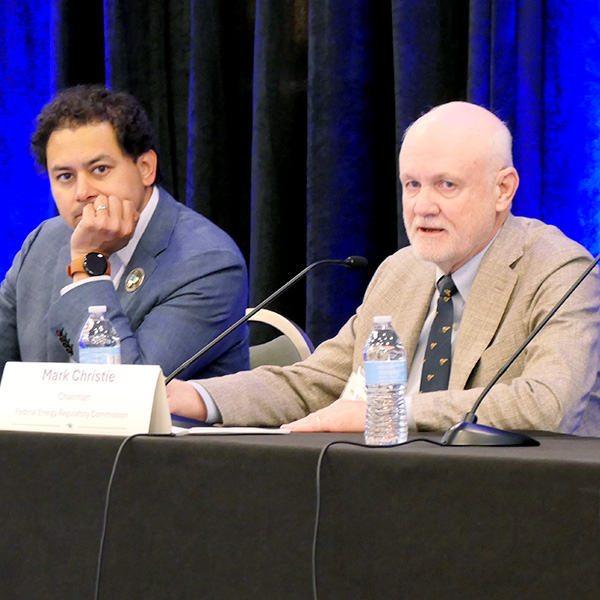
FERC Chair Mark Christie and Commissioner Judy Chang downplayed the current political environment’s impact on the agency, saying the commission’s role is to follow the law and ensure the fairness of procedures.
Want more? Advanced Search
