
Transmission Planning
© RTO Insider LLC
Former FERC commissioners discussed Order 1920-A and its accommodations to states, which could complicate compliance processes but also lead to more support for expanding the grid.

Meta
Clean energy organizations are prodding MISO to contemplate prospective load and generation simultaneously, with Clean Grid Alliance asking MISO to coordinate its annual transmission studies with its interconnection queue studies.
© RTO Insider LLC
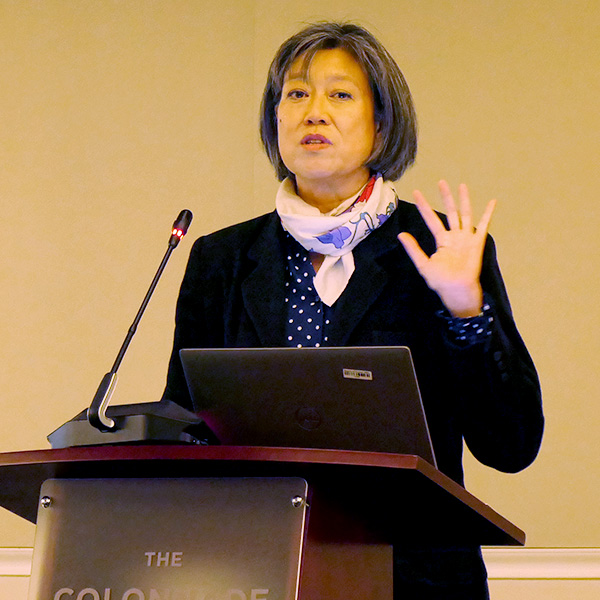
FERC Commissioner Judy Chang emphasized the importance of demand response, long-term transmission planning and gas-electric coordination in her address to the NEPOOL Participants Committee meeting.

Bonneville Power Administration
BPA hit all its reliability goals in fiscal year 2024 despite massive wildfires, peak load records and public safety power shutoffs, according to agency staff.
ISO-NE
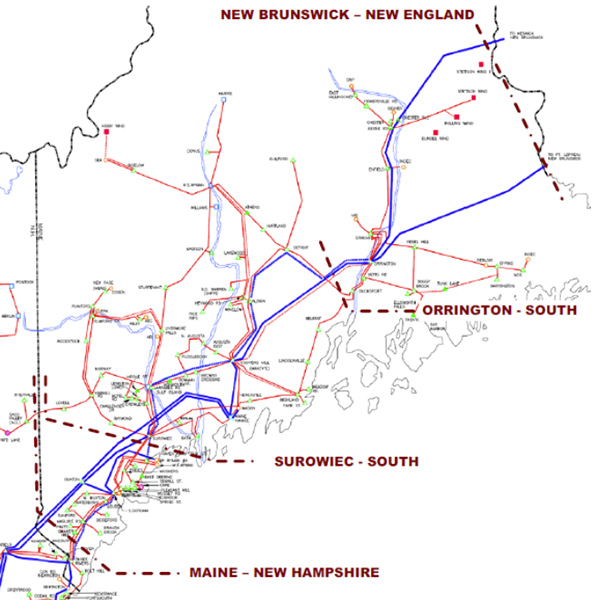
Stakeholders expressed widespread support for the goals of NESCOE’s proposed procurement of transmission solutions in Maine and New Hampshire, while offering differing views on the scope and format of the solicitation.
Allete
MISO officially decided it will forgo acceptance of a 2024 queue cycle of projects while it works with Pearl Street to automate interconnection studies.
© RTO Insider LLC
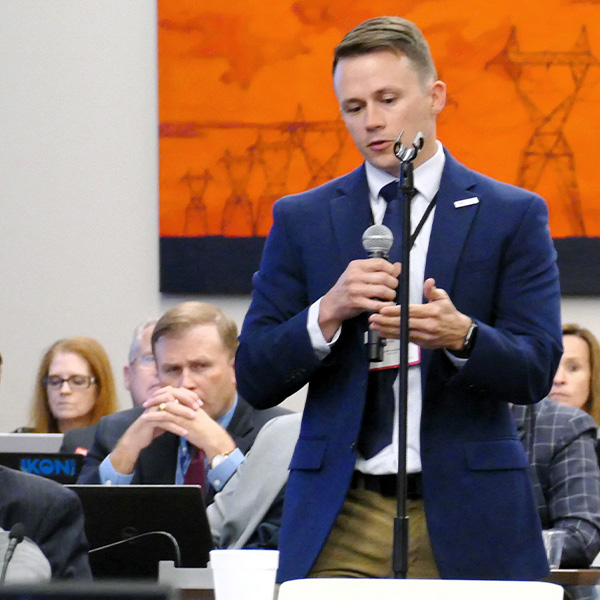
SPP stakeholders have endorsed a pair of winter-weather staging dates for transmission projects after two months of discussions and negotiations that delayed their approval by the Board of Directors.
Clean Path New York
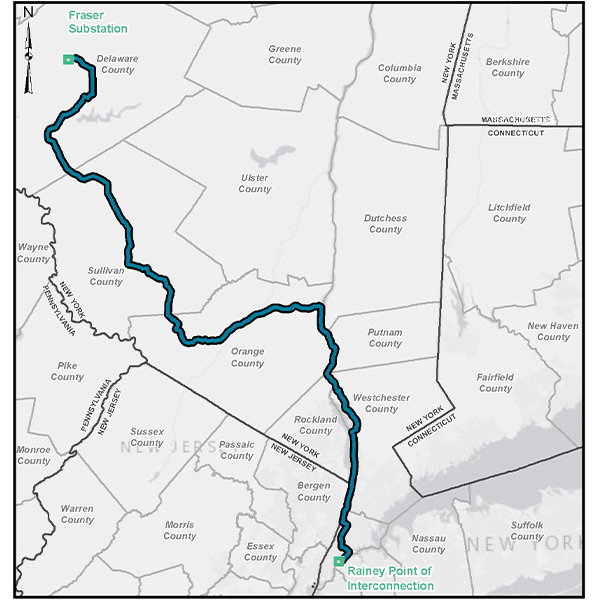
CPNY was envisioned as a solution to the heavy reliance on aging fossil fuel power generation in the densely populated New York City region.
ERCOT
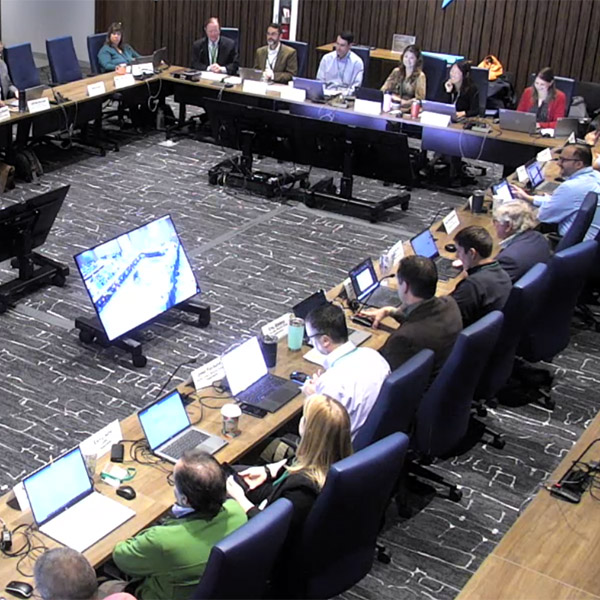
ERCOT stakeholders have approved a pair of protocol changes related to transmission planning as the Texas grid operator continues to grapple with connecting incoming load to its system.
© RTO Insider LLC
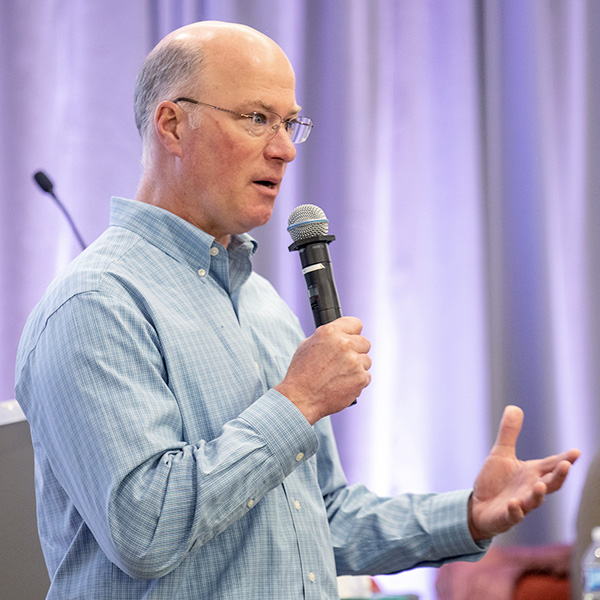
The PJM Markets and Reliability Committee voted to endorse a proposal to create an expedited process to study some interconnection requests.
Want more? Advanced Search
