
Transmission Planning
© RTO Insider
CAISO released its first mandatory report under the California assembly bill that paves the way for an independent regional organization to assume responsibility over the ISO’s energy markets.
Shutterstock
NYISO began what is expected to be a yearlong effort of revising its Reliability Planning Process at a Transmission Planning Advisory Subcommittee meeting.
Shutterstock
FERC approved revisions to PJM’s tariff to streamline the process for the owners of a deactivating resource to transfer its capacity interconnection rights to a new unit at the same point of interconnection.

Meta
MISO said it likely will create interconnection reliability requirements and explore new rules that could bring large customers online in stages, as capacity becomes available, to get a handle on large loads eyeing MISO locales.
AdminMonitor
ERCOT says it leaned on Texas’ 15 mobile generating units and an RMR unit during the state’s first major cold-weather event since 2021’s disastrous Winter Storm Uri.
IESO
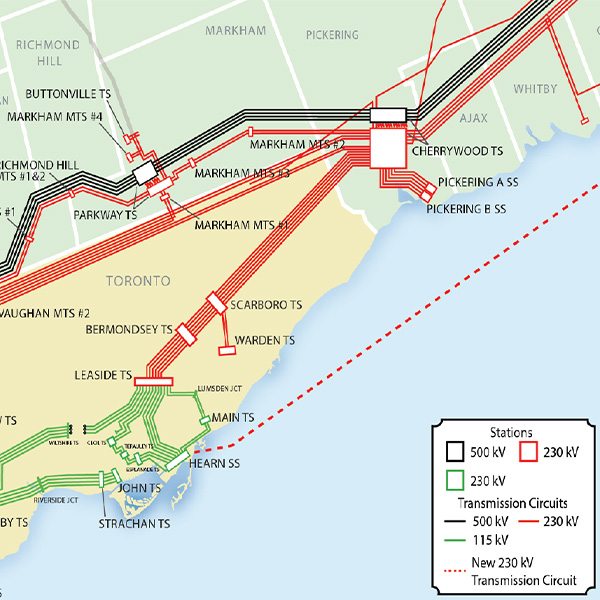
IESO is seeking stakeholder input on its first competitive transmission solicitation: a $1.5 billion HVDC line under Lake Ontario that will become the third major supply line for Toronto.
© RTO Insider LLC
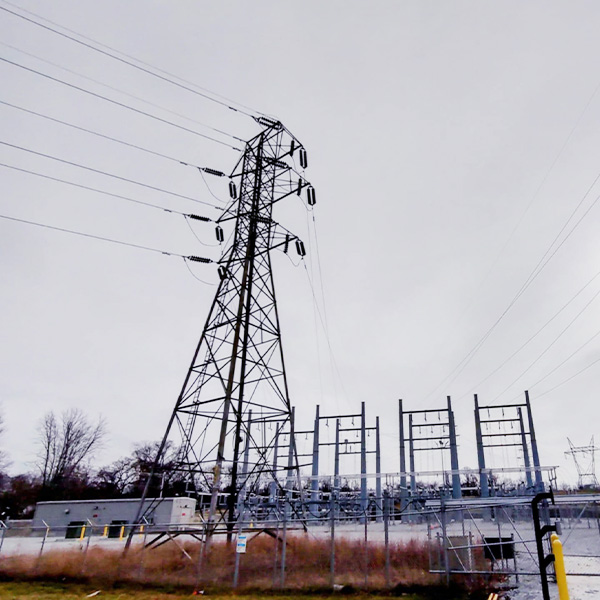
MISO has deferred plans for an all-encompassing future-looking assessment that relies on member data after state regulators appeared hesitant about the move.
Entergy Louisiana
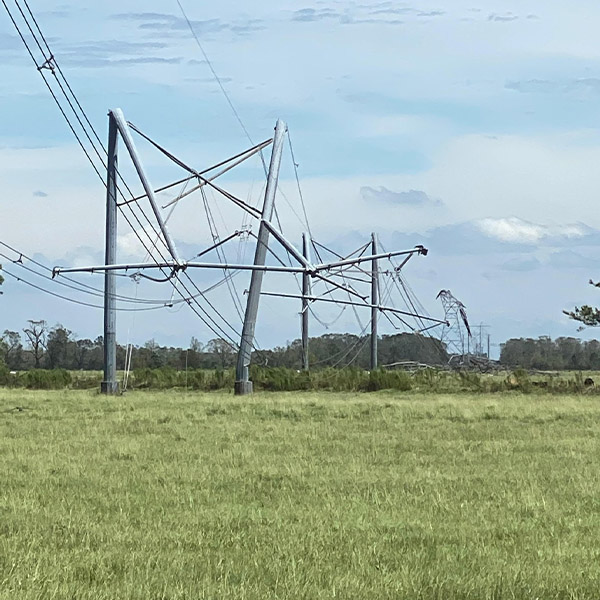
Some MISO stakeholders said an extreme events analysis from 2025’s transmission planning cycle potentially raises a red flag and deserves more attention.
CPUC
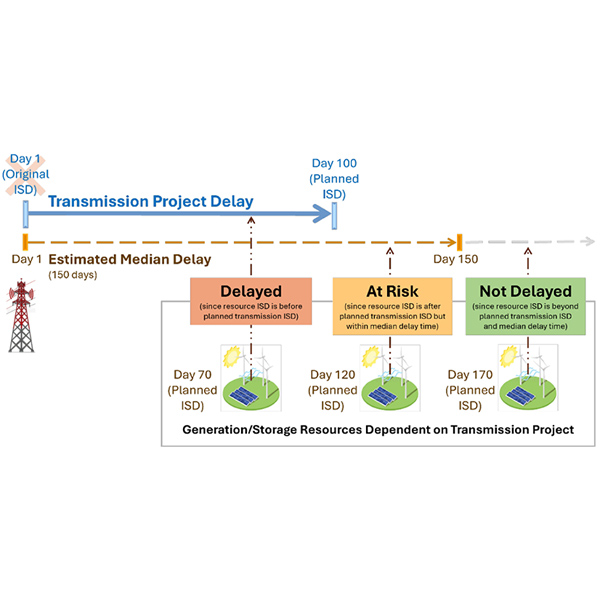
California continues to add in-state renewable energy resources, but the transmission upgrades needed to bring those projects online have been lagging behind, according to the Public Utilities Commission.
ATC and ITC Midwest
Senators in both parties want to pass permitting legislation, but Democrats will not move forward on a bill unless they get assurances the Trump administration will stop impeding clean energy projects.
Want more? Advanced Search
