
Transmission Rates
Lawrence Berkeley National Laboratory
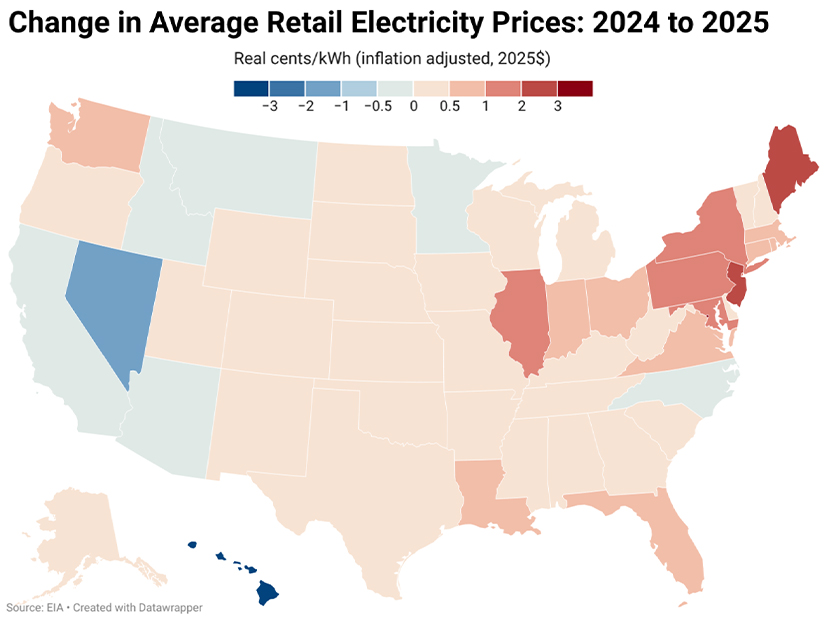
LBNL released an update to its retail price study, which showed power prices rose for most states between 2024 and 2025, after a half decade of mostly declining prices.
SEPA
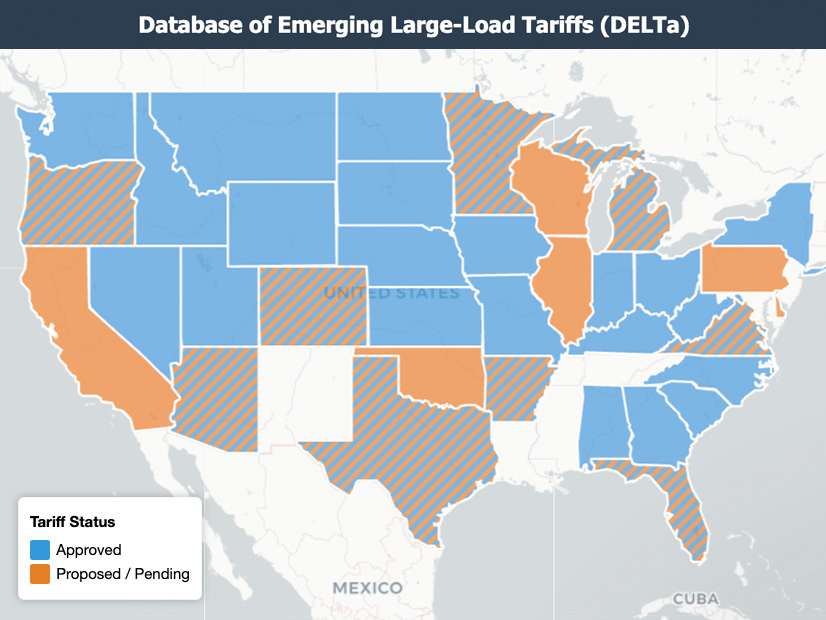
SEPA released an update to a database it created to track large load tariffs, which are spreading faster as large load customers proliferate.

© RTO Insider
PJM presented the Markets and Reliability Committee with a first read on a proposal to establish penalties for load management and price-responsive demand resources that do not perform during pre-emergency events
Retail Energy Advancement League
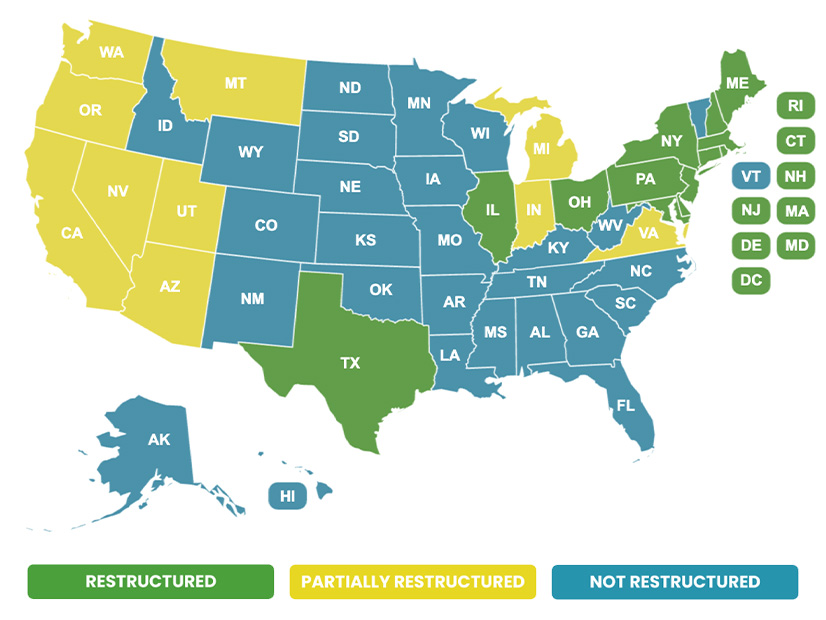
The return of demand growth is something new in the electricity industry, especially as it is being driven by individual consumers whose load can exceed the peak demand of a small state, and it is giving new life to an old argument in state legislatures: restructuring the industry.
© RTO Insider
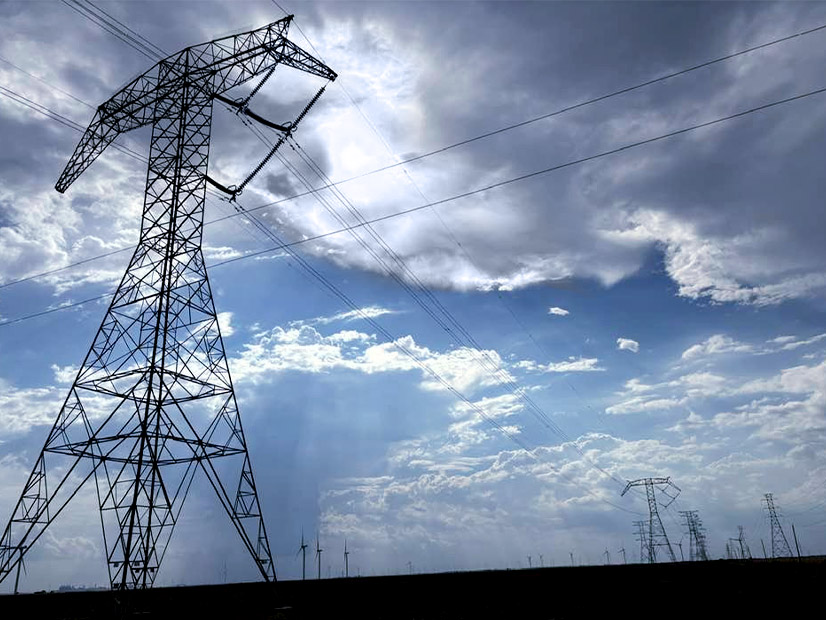
Ruling on a series of complaints dating back to 2011, FERC ordered a reduction in the return on equity for the New England transmission owners, cutting the rate from 10.57% to 9.57%.
AEP
The Trump administration announced billions of dollars in investments from a deal it struck with Japan, which will help build natural gas plants to serve hyperscale data centers, including at a defunct uranium production site owned by DOE in Ohio.

Shutterstock
In approving construction of new transmission facilities for a 49-MW data center in Sunnyvale, the California Public Utilities Commission relied on a process typically used for distribution projects.

Portland General Electric
One of the first items the yet-to-be-seated board of the Regional Organization for Western Energy could decide on is whether to administer a resource adequacy program, as backers seek to have a proposal in place later in 2026.

© RTO Insider
The PJM Planning Committee endorsed a quick-fix proposal to include battery storage dispatch in the RTO’s planning models.
© RTO Insider
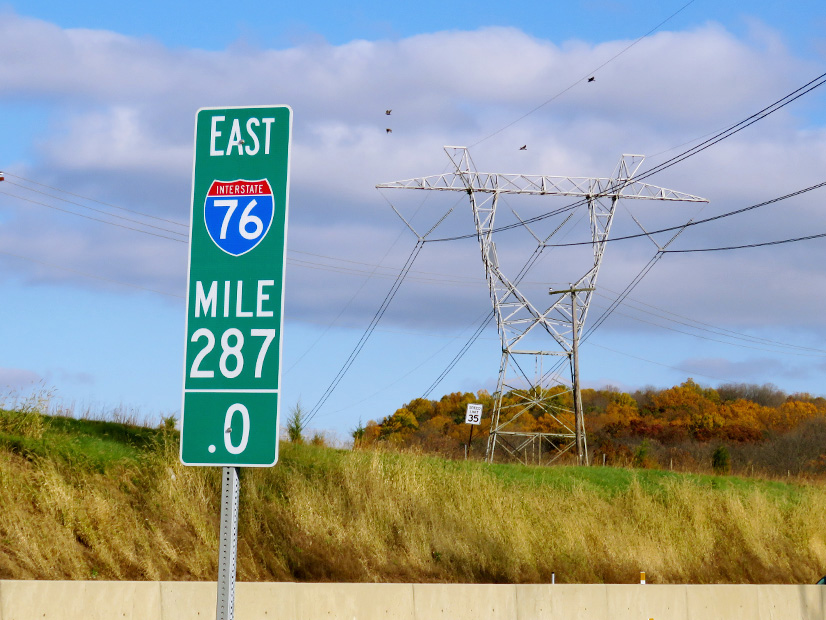
PJM updated stakeholders on how it plans to act on a FERC order requiring it to rework how it determines transmission rates and recalculate rates going back to June 2015.
Want more? Advanced Search
