Special Reports & Commentary
Diamond Generating LLC
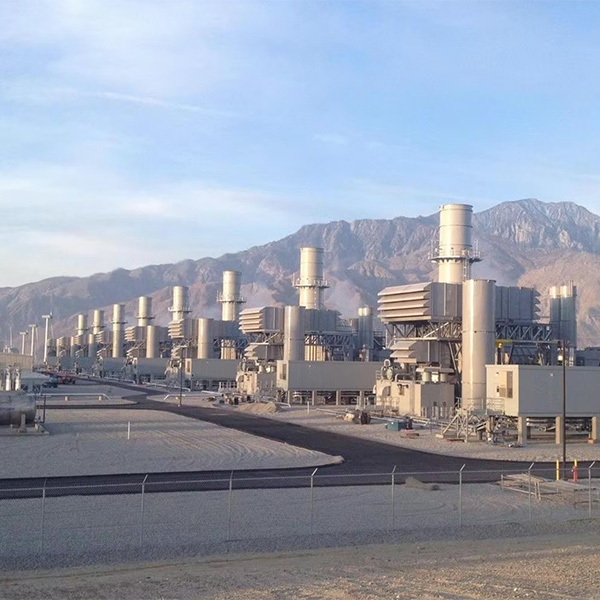
Flexibility will be a core attribute of the various scenarios and solutions being discussed to meet the snowballing estimates of U.S. electric power demand, says columnist K Kaufmann.
© RTO Insider
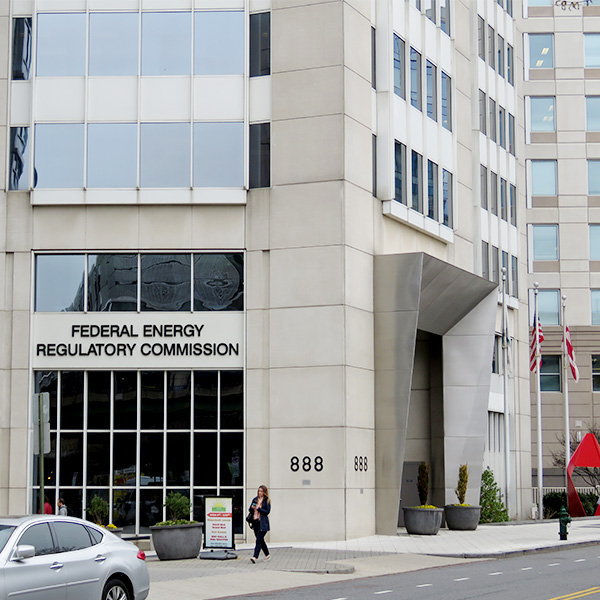
Columnist Steve Huntoon predicts that the independent federal agencies like FERC will survive the Supreme Court’s revisiting of Humphrey’s Executor v. United States.
Shutterstock
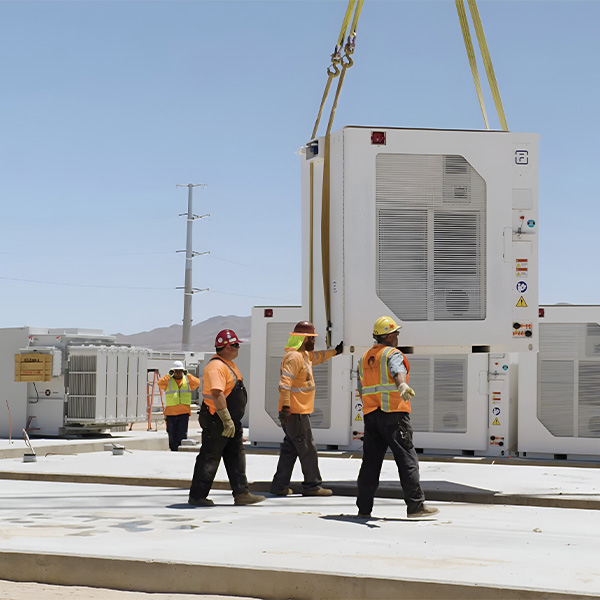
In 2026, utility-scale energy storage projects in the U.S. will face headwinds that could slow the pace of a technology that is fast becoming a global grid staple, warns columnist Dej Knuckey.
Illustrated by Perplexity
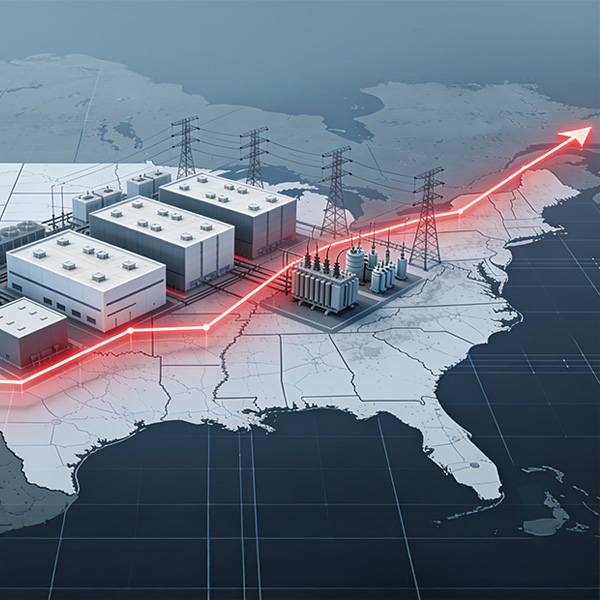
The defining story of the coming year will be the widening chasm between electricity supply and demand, a dynamic driven by a slow-moving supply side, coupled with the explosive growth of energy-hungry data centers, says columnist Peter Kelly-Detwiler.
© RTO Insider
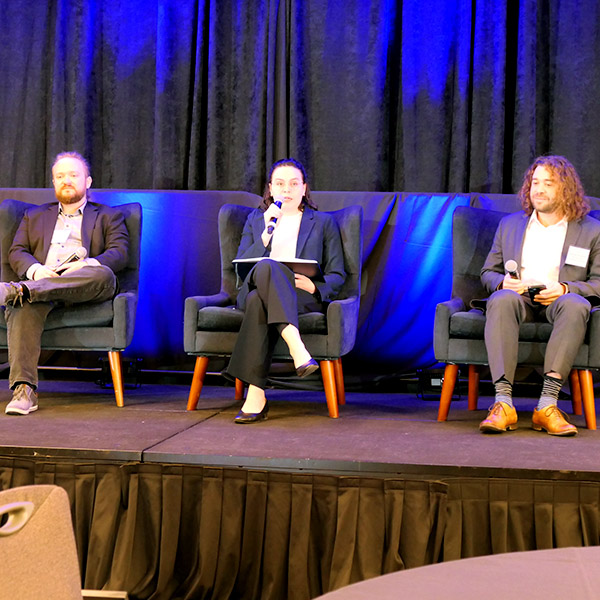
There is growing excitement about geothermal energy in the Western United States, with billions invested in the industry, but panelists at a Western Governors’ Association workshop said supply chain issues and permitting complexity remain significant challenges.
MISO
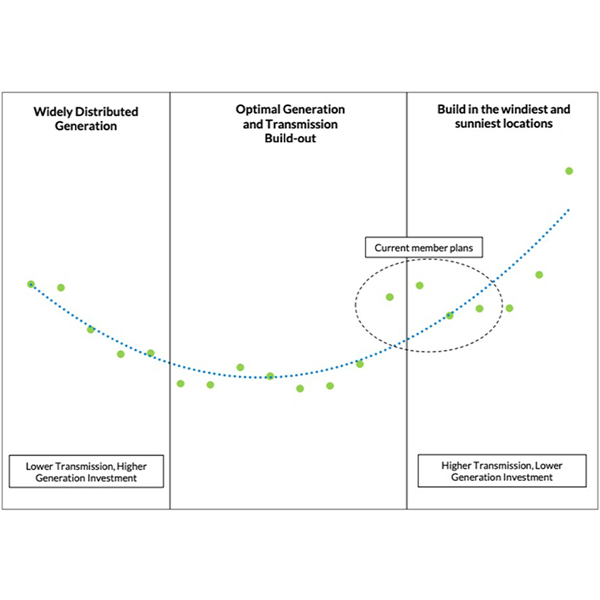
Expanding transmission can reduce electricity costs for consumers, but only if the buildout uses consumer welfare as the North Star and ignores narrow political or business interests, say Travis Fisher and Nick Loris.
Con Ed
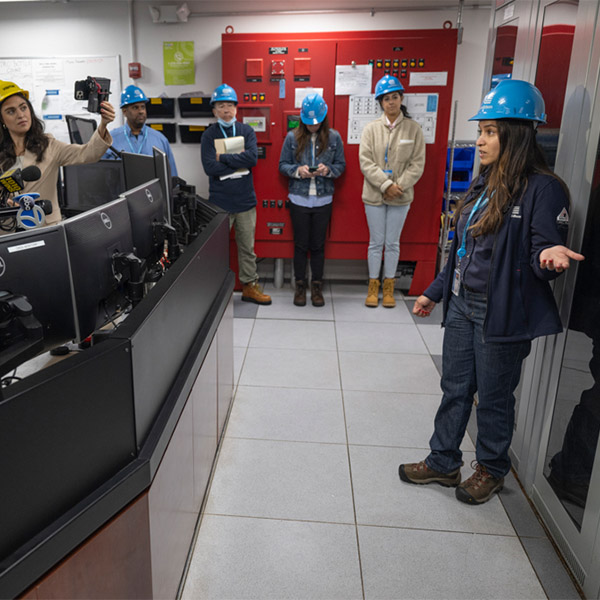
Storm surge events like Sandy offer insights into what the worst of sea level rise may do to an area’s infrastructure and how the power industry needs to think about this slow-moving but inevitable threat, says columnist Dej Knuckey.
© RTO Insider LLC
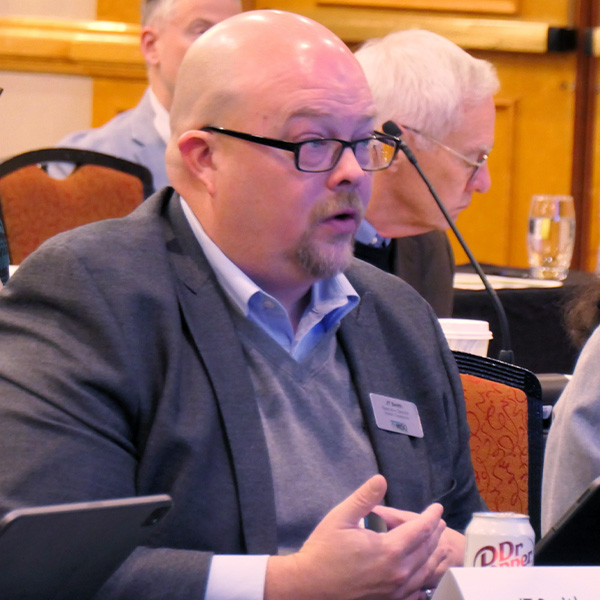
MISO and its Monitor tracked a rise in energy consumption in fall 2025 and reviewed some operational rough patches, while the RTO explained why its machine-learning risk predictor remains a work in progress.
MISO
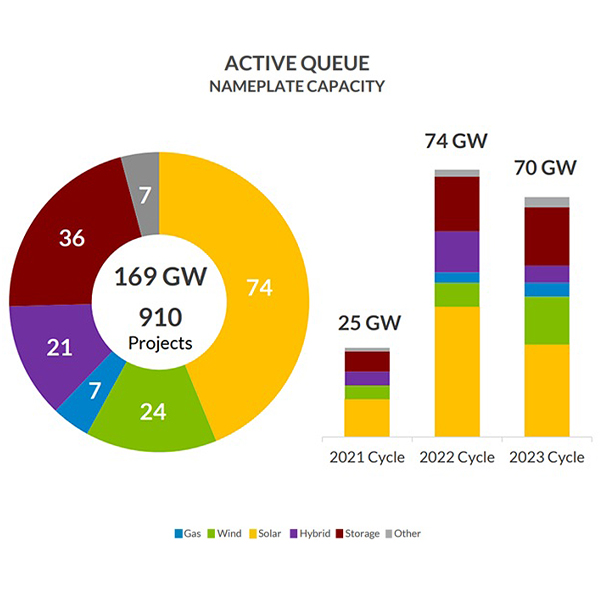
MISO members don’t doubt that large loads will turn up at the beginning of the next decade and are occupied with how the industry can make sure ratepayers don’t subsidize supersized customers.
© RTO Insider
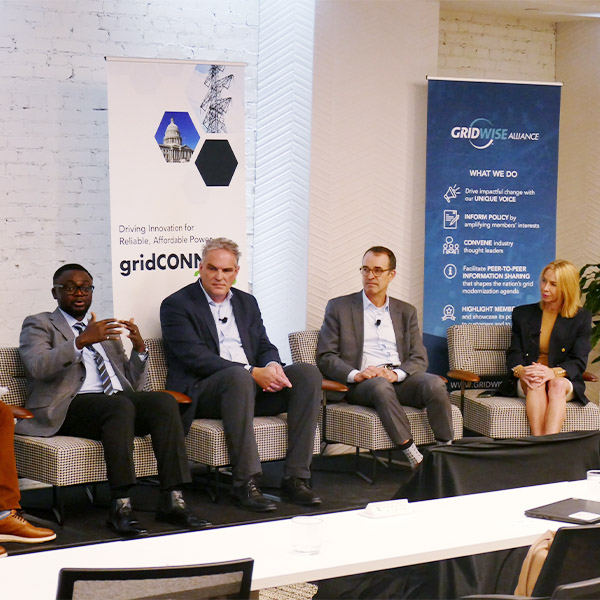
Attendees at the gridCONNEXT conference, including the acting under secretary of energy and U.S. representatives, debated federal energy policy.
Want more? Advanced Search