
Commentary
SPP
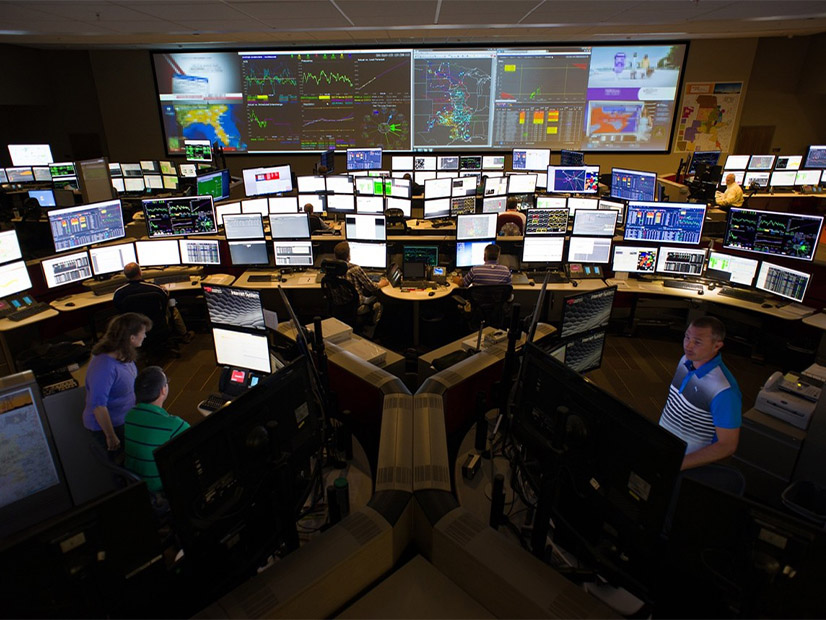
At the very moment grid operators are being asked to plan for unprecedented complexity, the public data infrastructure that underpins those decisions is becoming less reliable, writes columnist Dej Knuckey.

© RTO Insider
The MISO independent market monitor is just that — independent, writes Bill Malcolm. "He should not be shown the door but should be allowed to continue to do his job and also to talk to state regulators who seek his advice."
Shutterstock
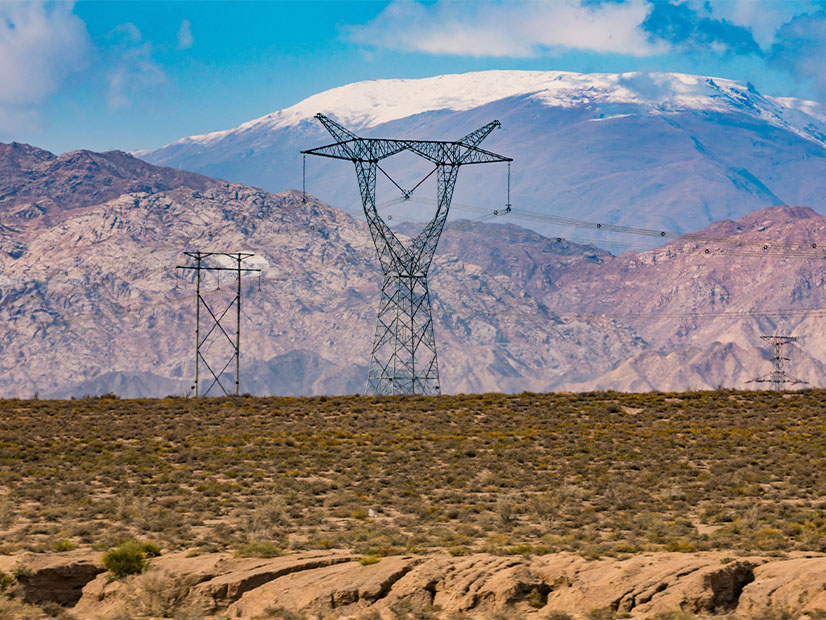
The size and configuration of day-ahead markets in the West will greatly impact electricity bills and grid reliability, says the Environmental Defense Fund.

David Maiolo, CC BY-SA-3.0, via Wikimedia Commons
With electricity demand spiking, Congress should take major steps to speed up the process of building new transmission infrastructure, writes Will Hazelip.
PJM
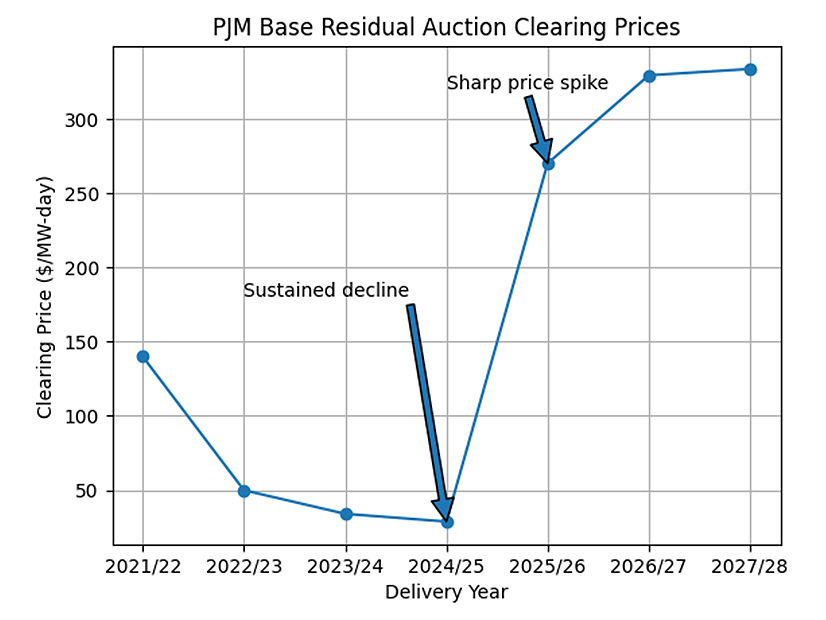
PJM’s capacity market has quietly evolved from a reliability safety net into the primary mechanism supporting much of the region’s electricity supply, writes energy consultant Glenn Davis.
AEP
The White House meeting and associated industry pledge were perhaps good theater, but would have been much more valuable a year or two ago, writes columnist Peter Kelly-Detwiler.
Hitachi Energy
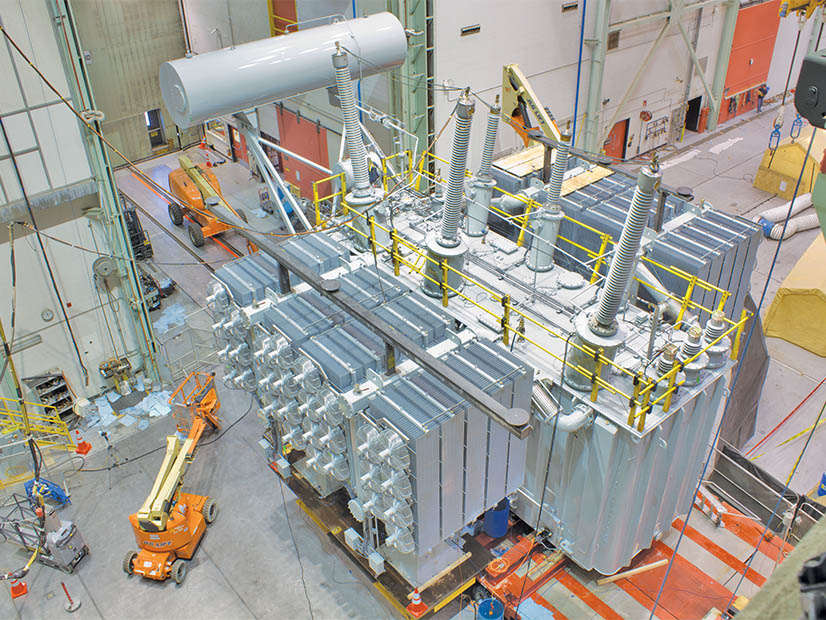
The digital world may be driving much of the growth in electricity demand, but physical limits are shaping how the industry responds. And few limits are more apparent than the shortage of transformers.
NYISO
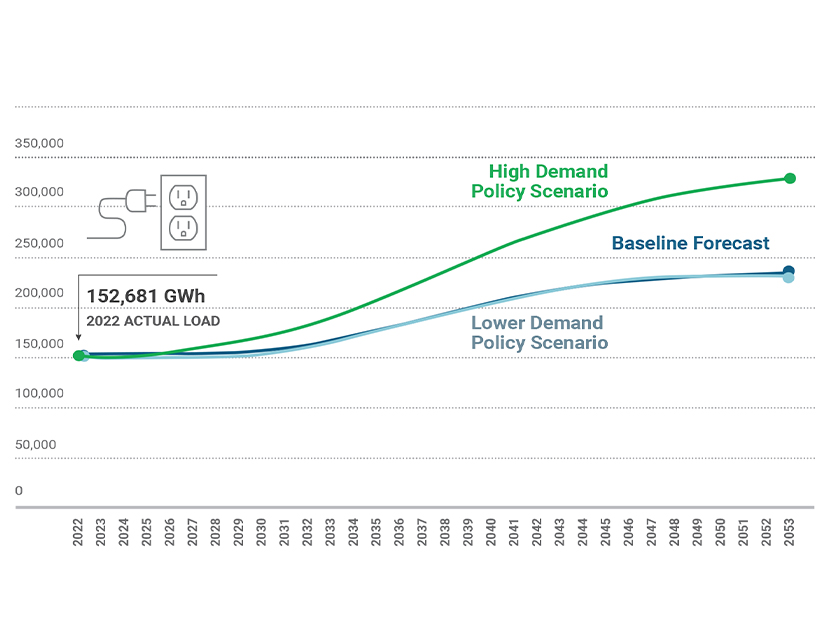
Gaming by different stakeholders can present regulators with biased forecasts, which would require special regulatory-staff expertise to uncover, warns energy consultant Kenneth W. Costello.
© RTO Insider
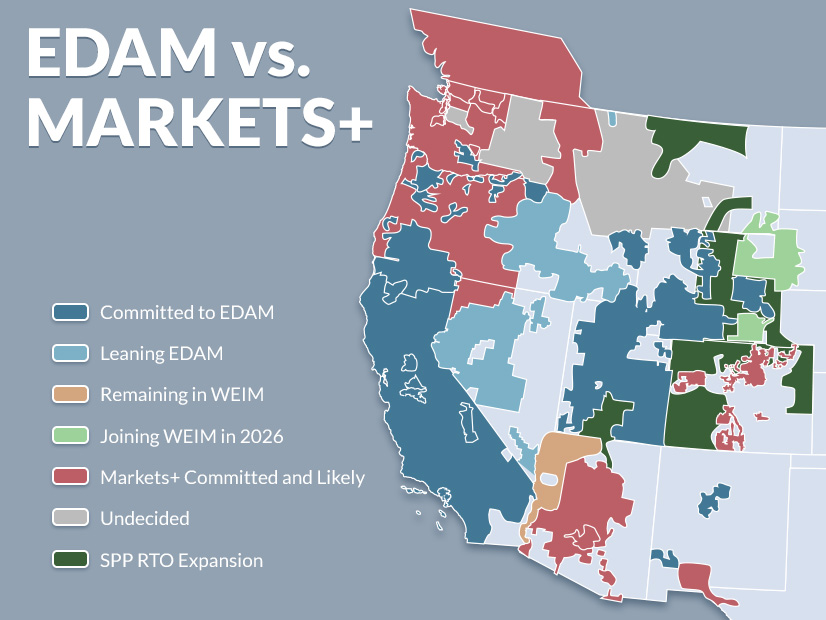
For the first time in years, California’s grip on Western market design is genuinely at risk, writes Nick Myers of the Arizona Corporation Commission.
ACI
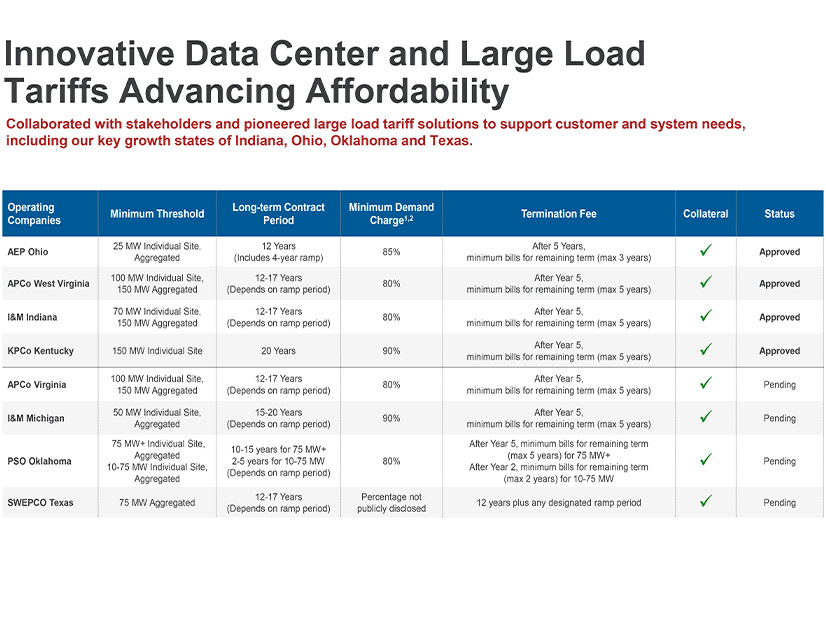
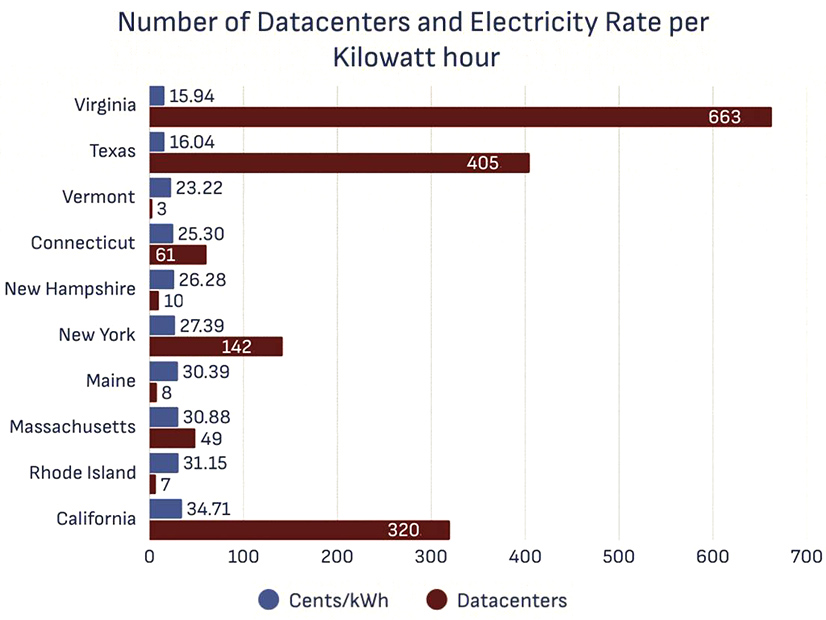
Data centers have become the whipping boy of high electric bills; consumers believe they are paying higher rates because of these power-hungry server farms. However, it is not that simple, writes Kristen Walker of The American Consumer Institute.
Want more? Advanced Search
