
Commentary
Hitachi Vantara
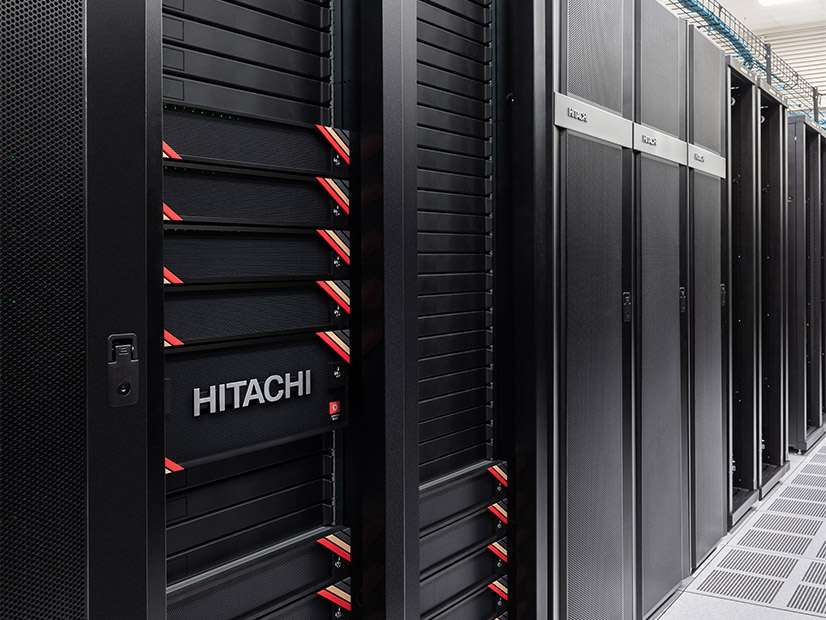
Columnist Dej Knuckey says there’s no doubt AI can be exponentially faster, smarter, and more innovative and efficient than the current workforce, but can it be reliable?
BloombergNEF
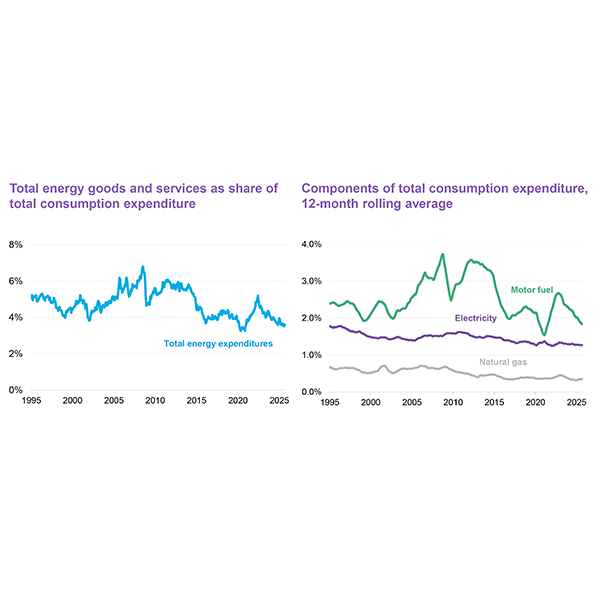
According to the Business Council for Sustainable Energy’s 2026 Factbook, U.S. consumers spent “slightly less” on electricity in 2025 than they did in in 2024.

Colonial Pipeline
Opinion writer Shahid Mahdi worries about the cybersecurity risks of co-location, and asks if a co-located data center is hit with ransomware, does the nuclear plant have to trip offline?
NRDC
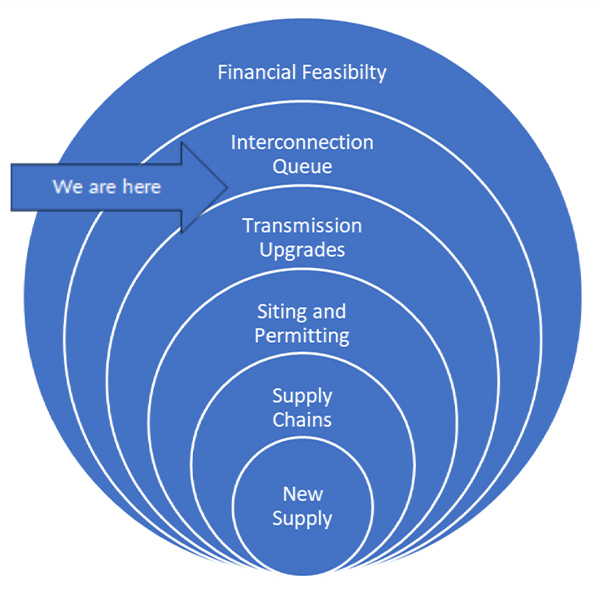
PJM, with prompting from 13 governors, is trying another solution to resource adequacy: the “Reliability Backstop Auction.” While details still are being negotiated, this boils down to throwing money at new power plants, says Tom Rutigliano of the NRDC.
The Century Foundation commentary with data from UC-CCP
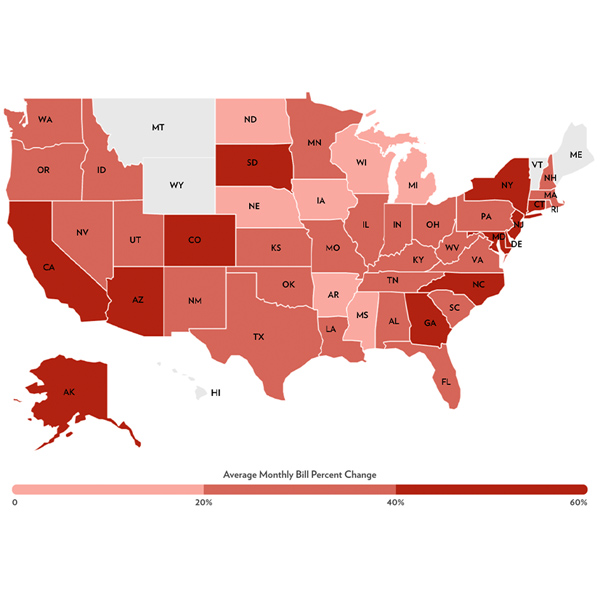
Residential electricity bills have moved from being background noise in discussions about resource adequacy, decarbonization, and transmission expansion to being the loudest political and business risk, says Dej Knuckey.
Windy.com
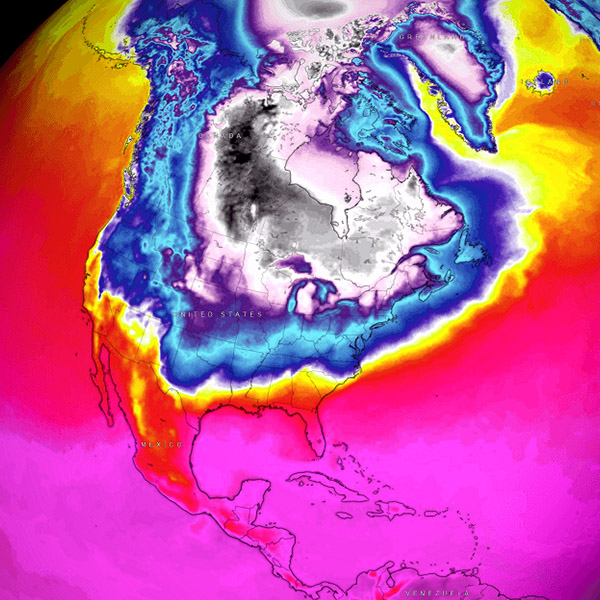
With Winter Storm Fern, we learned, once again, that our nation’s power grids rely on a significant fossil mix when the weather turns nasty, writes columnist Peter Kelly-Detwiler.
MISO
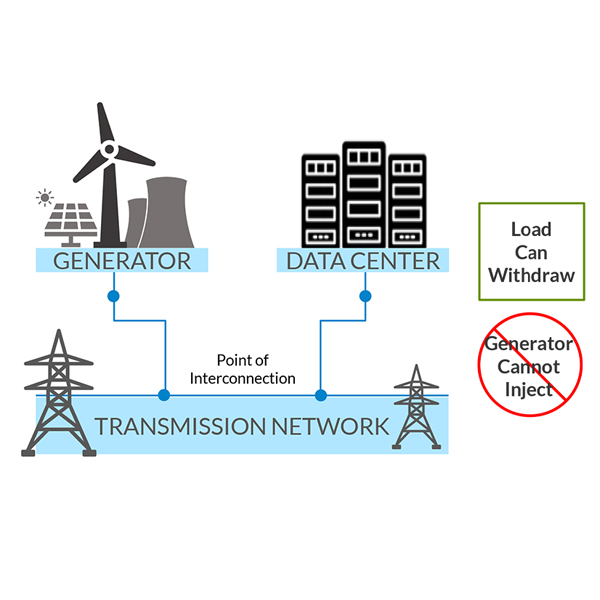
Limiting MISO large load solutions only to zero-injection scenarios misses the mark and can create a myriad of challenges now and in the future, writes David Sapper of the Clean Grid Alliance.
ICF EnergyInsite
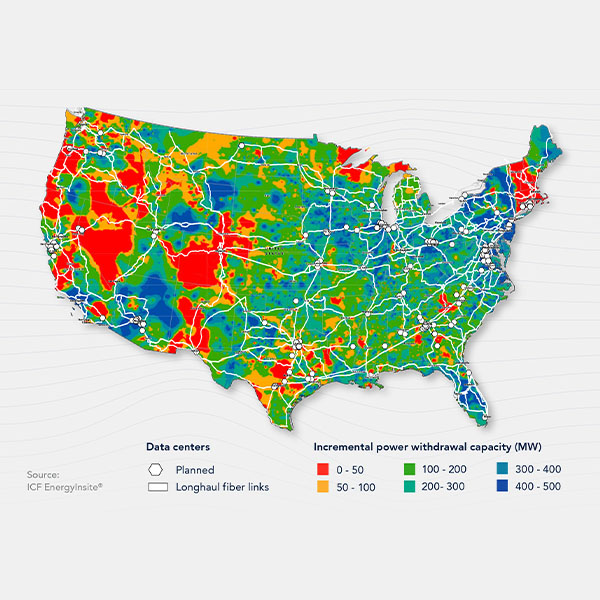
An alternative to connecting a large data center load to the electrical grid is a private, fully off-grid energy system, writes Travis Fisher of Cato.

Shutterstock
Misguided NIMBYism or corporate welfare either obstructs the building of new data centers or compels taxpayers to subsidize them, writes energy consultant Kenneth W. Costello.
Entergy
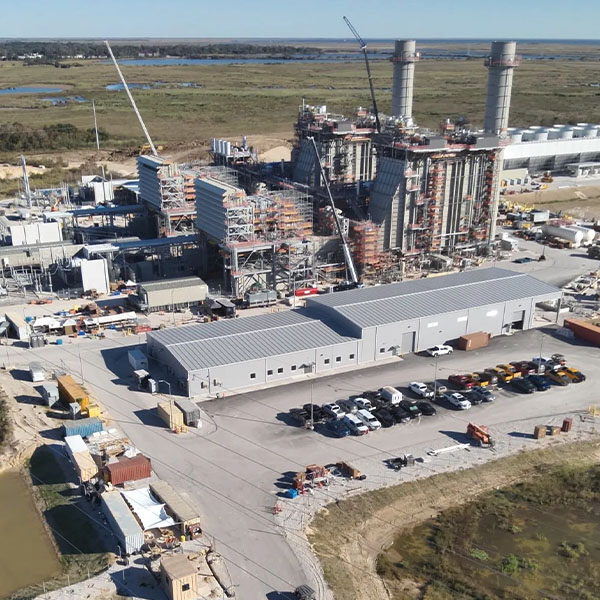
The new ERAS processes in MISO and SPP allow certain power plants to effectively jump the interconnection line, skipping ahead of hundreds of other projects already waiting their turn, writes Southern Renewable Energy Association Executive Director Simon Mahan.
Want more? Advanced Search
