Commentary
NRDC
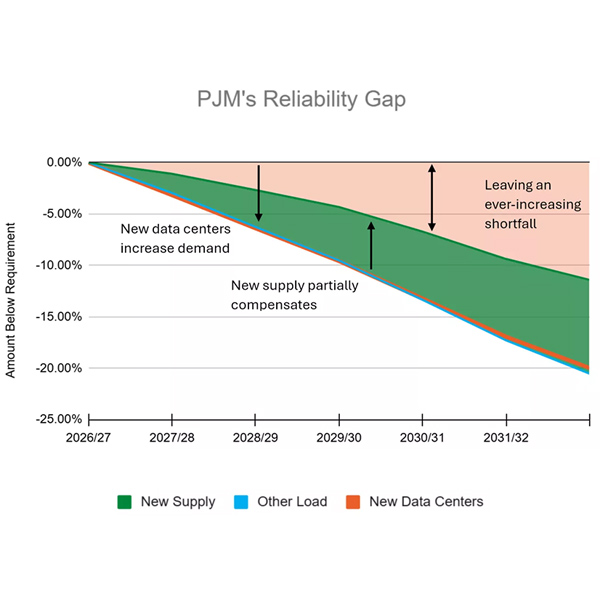
Load growth beyond PJM’s ability to serve is a clear and present danger to the reliability of the grid and the functioning of PJM’s markets, says the NRDC.

Shutterstock
PJM needs every megawatt of supply it can secure, and the last thing it should do is inadvertently force existing supply out of the market, warns Michael D. Smith, CEO of CPower.
Google
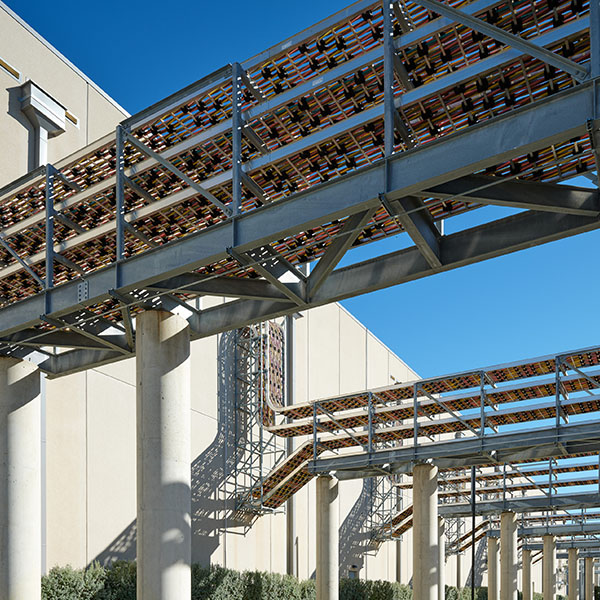
The U.S. is facing an unprecedented wave of demand growth. Competition between states and FERC is not the answer. Cooperation is, says Nick Myers of the Arizona Corporation Commission.
Google
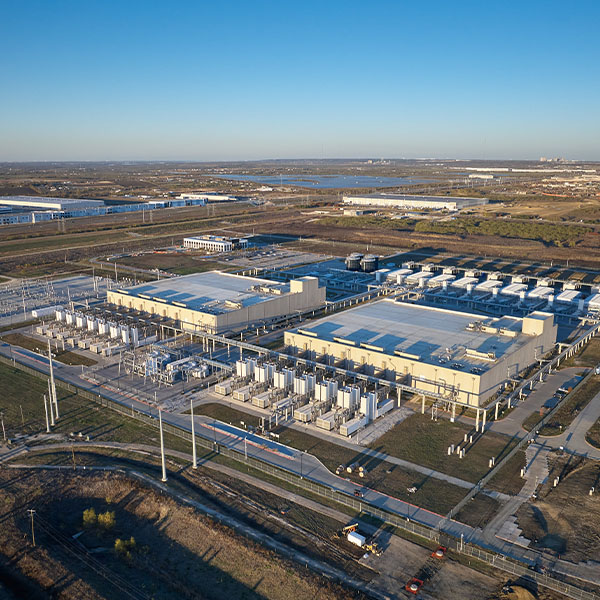
There's a clear parallel between what FERC did to speed the building of new generation at the turn of the millennium and what DOE wants to do today to accelerate the growth of critical data infrastructure, says former FERC Chair Pat Wood III.
Yes Energy
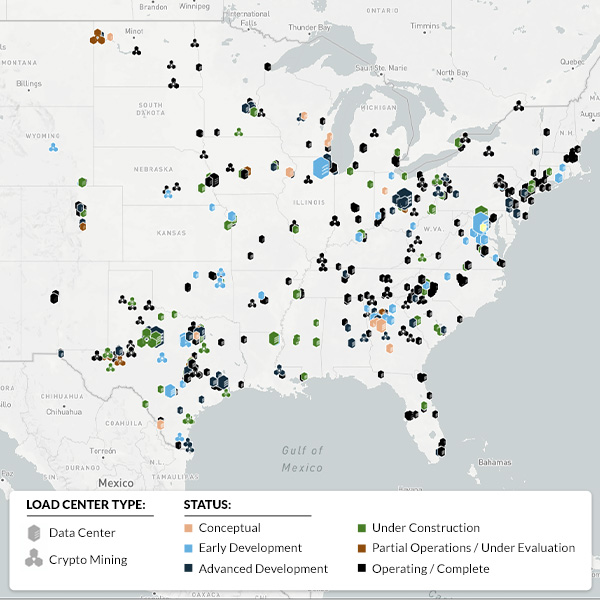
Not surprisingly, state regulators quickly made their concerns known about DOE's request for a new FERC rulemaking proceeding in order to “ensure efficient, timely and non-discriminatory load interconnections” for large loads, says columnist Peter Kelly-Detwiler.
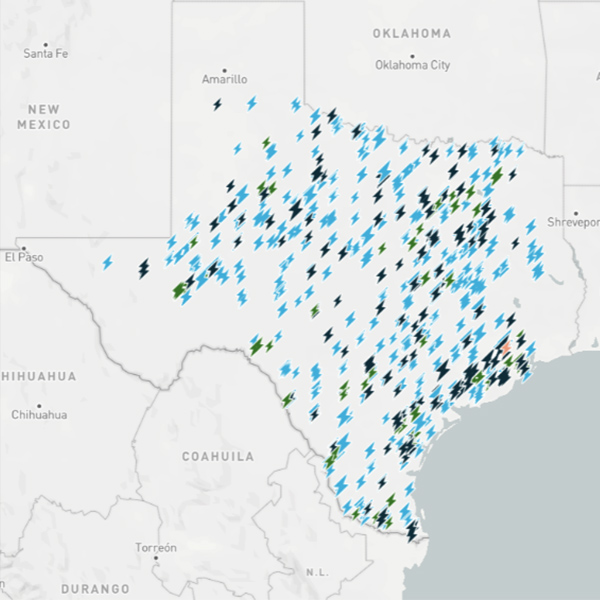
Yes Energy’s Infrastructure Insights Module
ERCOT is preparing to launch its Real-Time Co-Optimization + Batteries initiative, perhaps the most sweeping market redesign in its history, says Yes Energy's Portia Gilman.
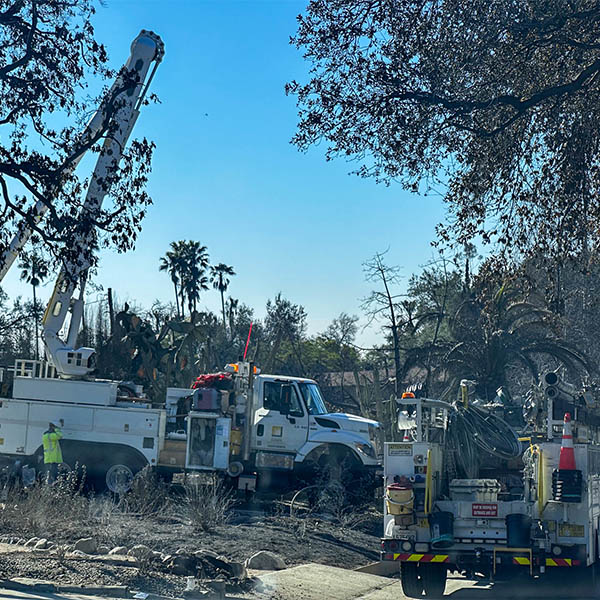
U.S. Forest Service / Benjamin Cossel
Grid operators and utilities have a double exposure to the increasingly fire-prone environment: grid assets can cause fires and be damaged by them, says columnist Dej Knuckey.
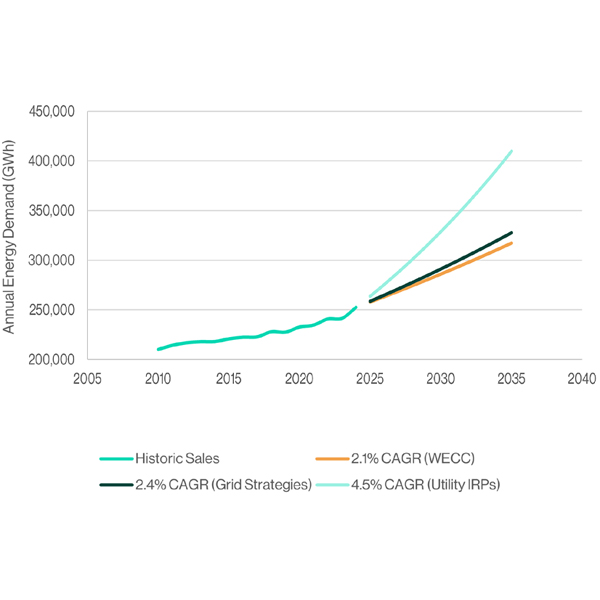
WRA
Industrial electrification can help ease grid pressures when it is designed and meaningfully incentivized for flexibility, says Cihang Yuan, an energy officer for the World Wildlife Fund.
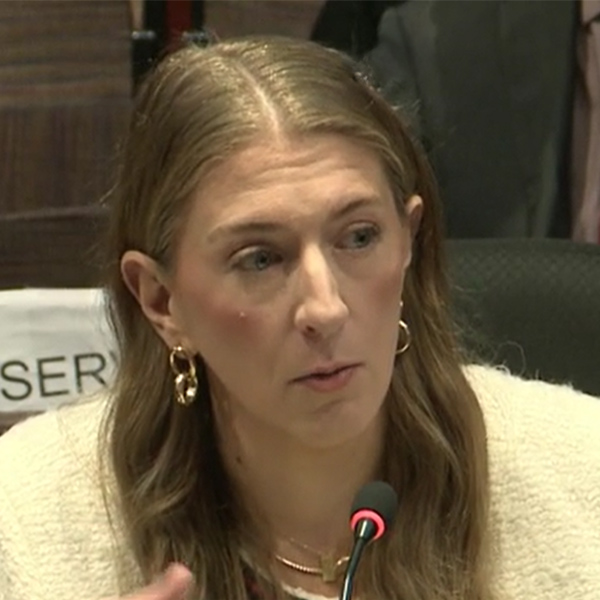
Connecticut Executive and Legislative Nominations Committee
For the Connecticut Public Utilities Regulatory Authority to succeed, an honest, thorough accounting of the Marissa Gillett era is required, says Bryson Hull.
BWXT Advanced Technologies
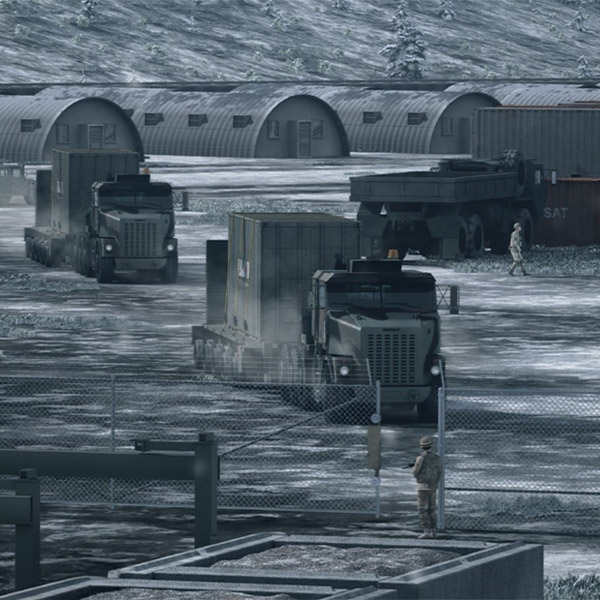
The U.S. Army’s new next-generation nuclear power program is wasteful, counterproductive and dangerous, says columnist Steve Huntoon.
Want more? Advanced Search