U.S. Department of the Interior
© RTO Insider
Columnist Steve Huntoon predicts that the independent federal agencies like FERC will survive the Supreme Court’s revisiting of Humphrey’s Executor v. United States.
© RTO Insider
Having finally added real-time co-optimization to the market like every other U.S. grid operator with an effort that began in 2019, ERCOT can turn its attention to other pressing issues.
FERC
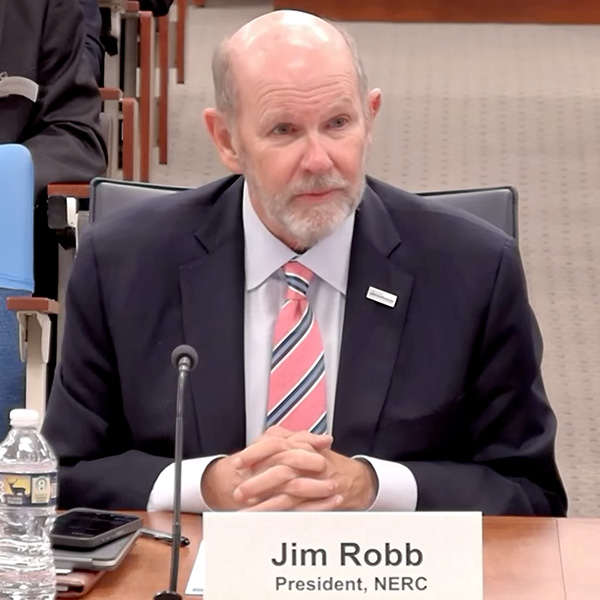
NERC managers say the organization is well positioned to meet a variety of challenges coming in 2026.
© RTO Insider
Heading into 2026, New England is counting on an increasingly collaborative approach to energy policy as federal opposition to renewable energy development threatens affordability, reliability, and decarbonization objectives in the region.
© RTO Insider LLC
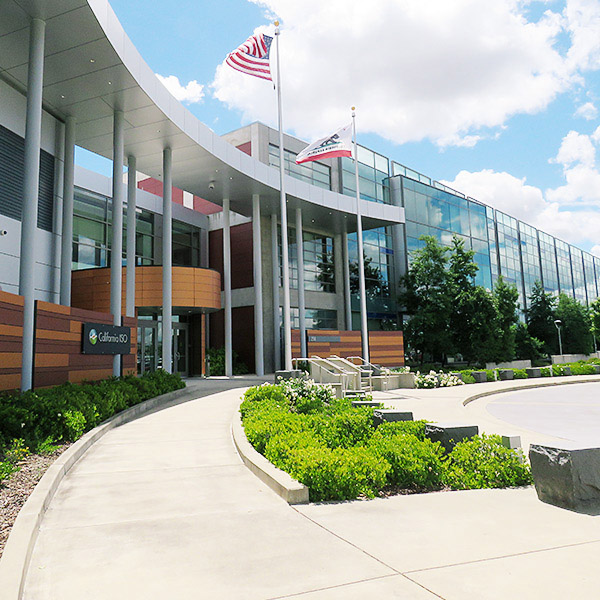
The Extended Day-Ahead Market took center stage at CAISO in 2025 as the ISO tabled other long-term initiatives to ensure the market’s timely launch in May 2026, with PacifiCorp as its first participant.

Shutterstock
Reliability concerns in NYISO, including a reliability need in New York City, are likely to dominate discussions in 2026.
Entergy
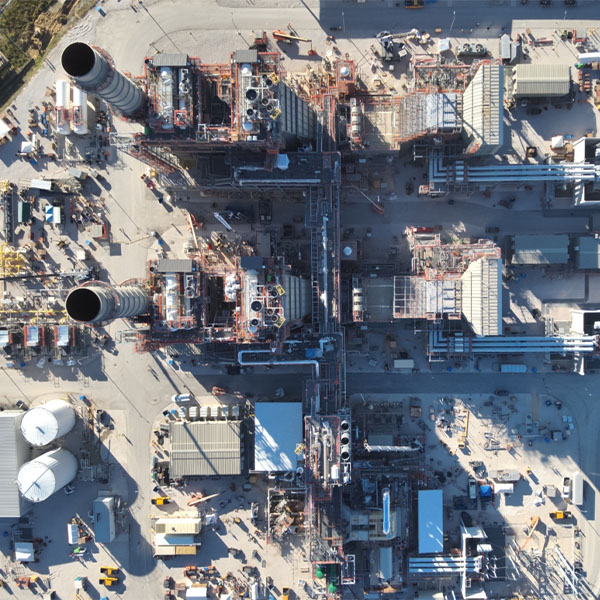
MISO has indicated that new generation to serve data centers and other large loads will be mission critical over 2026 and said it will take pains to interconnect units.
Shutterstock
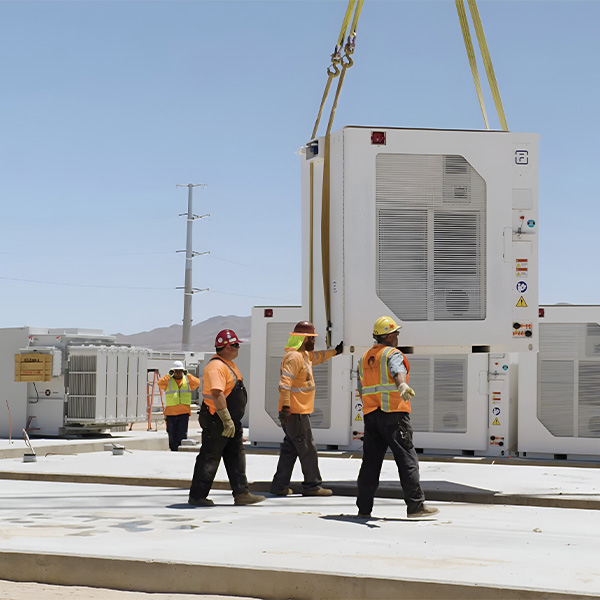
In 2026, utility-scale energy storage projects in the U.S. will face headwinds that could slow the pace of a technology that is fast becoming a global grid staple, warns columnist Dej Knuckey.

Dominion Energy
The Trump administration has ordered all offshore wind generation construction halted and has stalled some onshore wind projects.
© RTO Insider
As NV Energy prepares to file its next integrated resource plan ahead of schedule in April, the company says it will take longer than previously planned to reduce its reliance on short-term market purchases.
Want more? Advanced Search