
affordability
Yes Energy
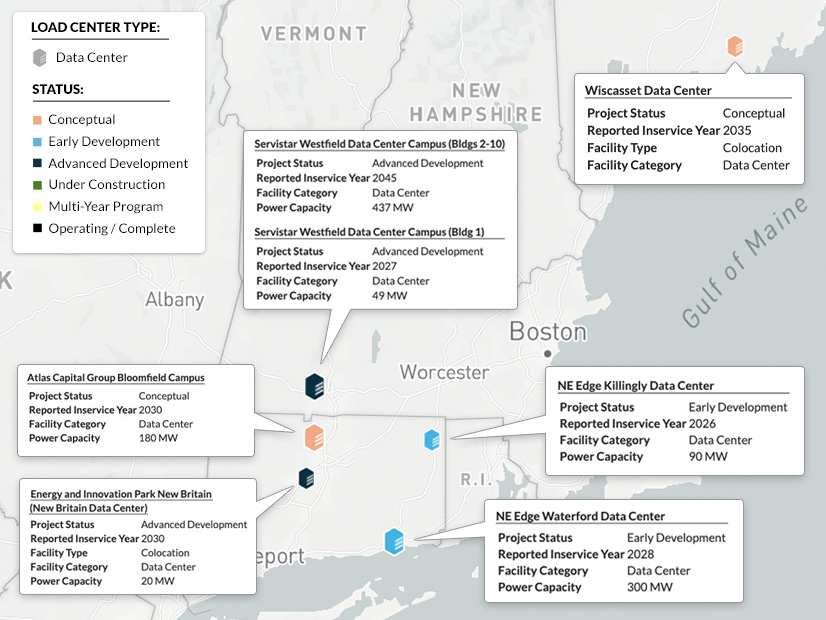
Increased interest in data center development in New England has led to growing concern about potential negative effects on energy affordability and long-term resource adequacy.
Lawrence Berkeley National Laboratory
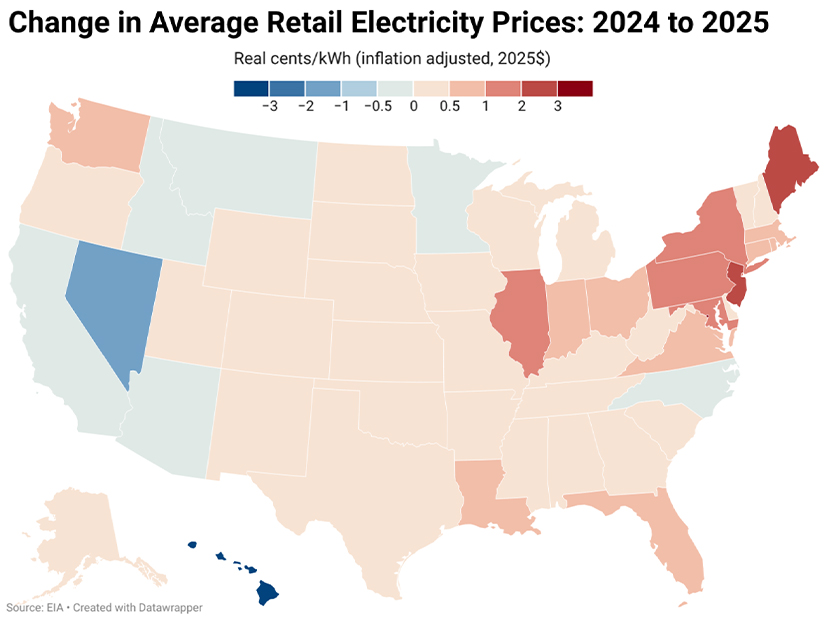
LBNL released an update to its retail price study, which showed power prices rose for most states between 2024 and 2025, after a half decade of mostly declining prices.
Office of the Governor of Virginia
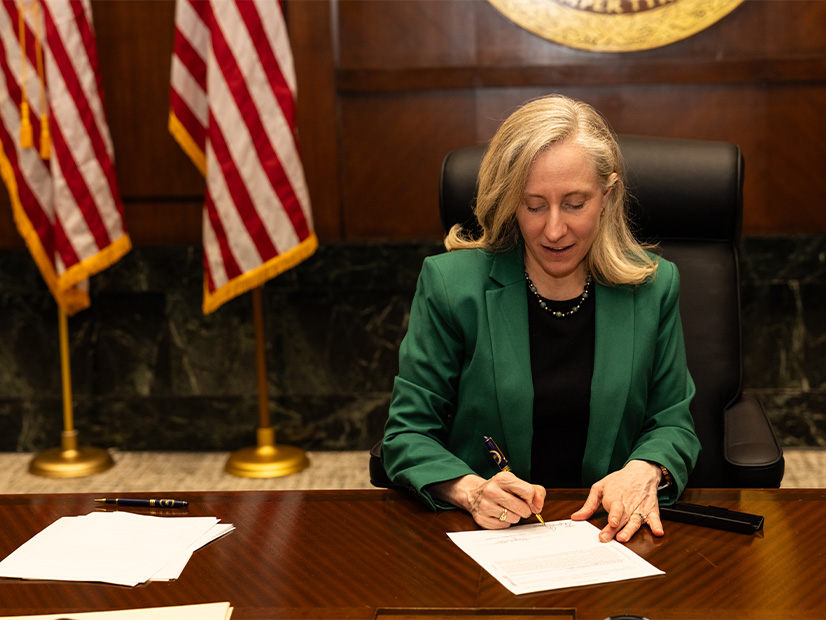
Virginia Gov. Abigail Spanberger signed the first set of bills of her tenure, including a number of energy provisions passed at the recent legislative session.
EPI
Watchdog organization Energy and Policy Institute compiled a report showing investor-owned utility profit margins are on the rise, with 13-15% of customers’ bills bankrolling profits.
Kentucky PSC
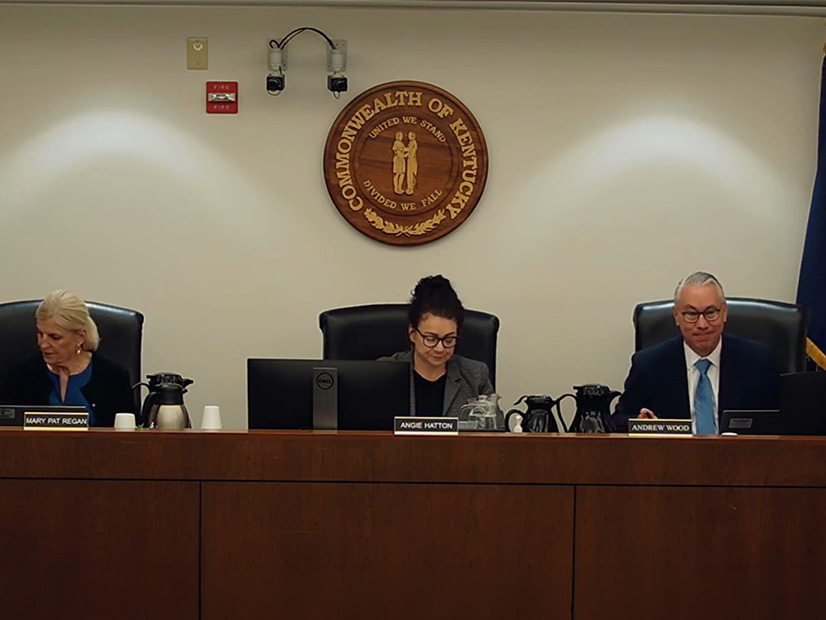
Kentucky lawmakers are working to overhaul the Public Service Commission in what they say is an effort to combat rising utility rates, while the governor characterized it as political maneuvering.
© RTO Insider
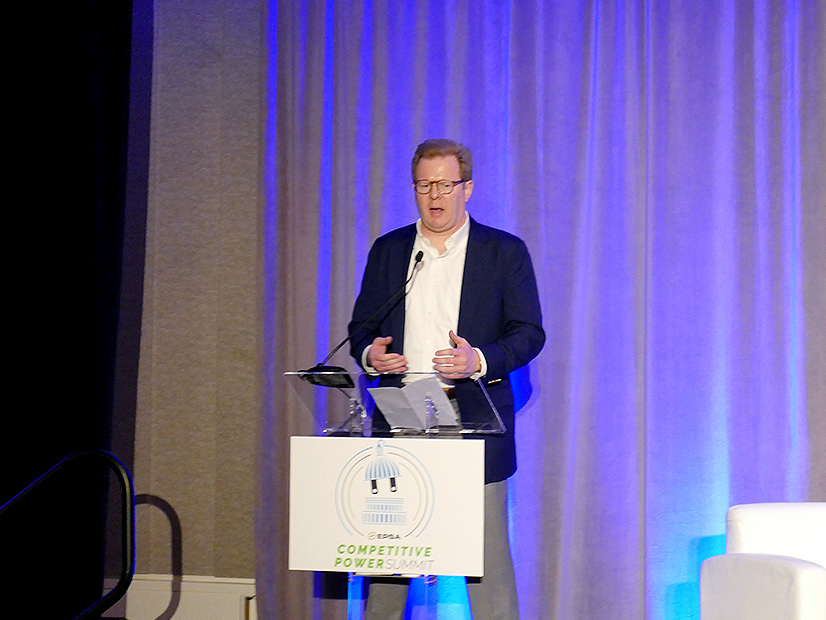
Politicians increasingly are interested in wholesale markets, which has meant price caps but also is pushing regulators and the industry to move faster on meeting rising demand affordably and reliably.
The White House
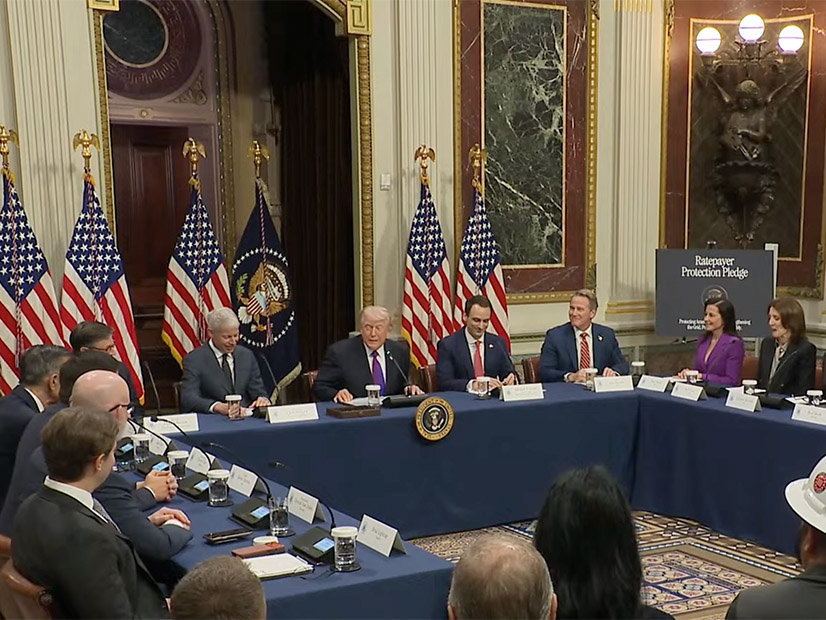
President Donald Trump gathered seven tech leaders at the White House to sign a ratepayer protection pledge holding that they will pay all the costs associated with the boom in construction of data centers.
BloombergNEF
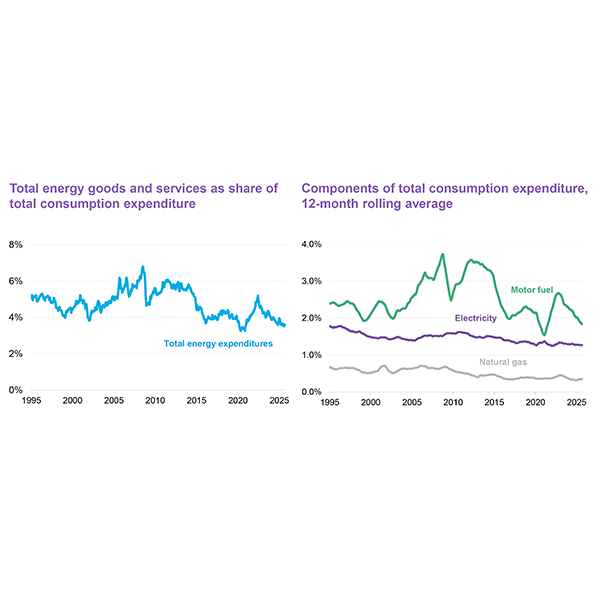
According to the Business Council for Sustainable Energy’s 2026 Factbook, U.S. consumers spent “slightly less” on electricity in 2025 than they did in in 2024.
© RTO Insider
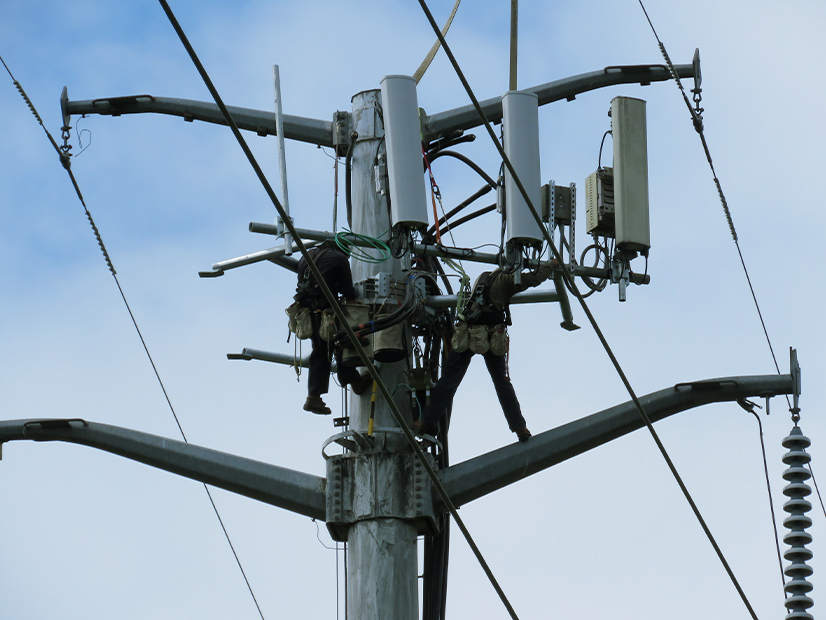
New Jersey is studying whether to use funds from the Regional Greenhouse Gas Initiative to keep down electricity rates and restructure the way utilities are compensated in an effort to reduce the pressure on electricity prices.
Indiana Utility Regulatory Commission
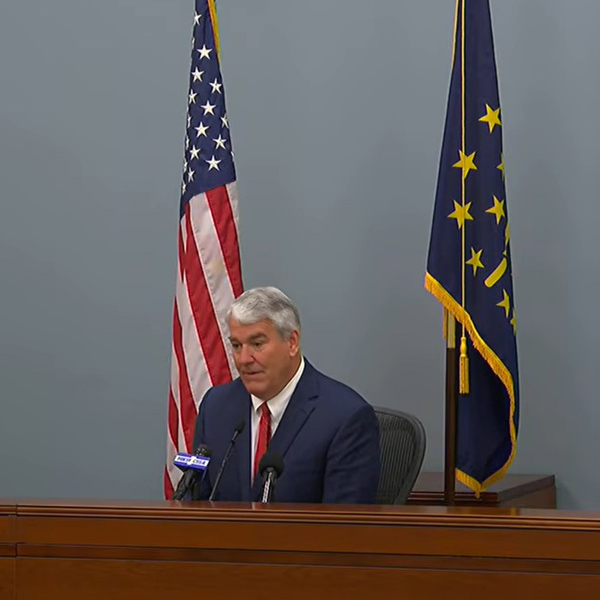
The Indiana Utility Regulatory Commission opened an investigative inquiry into the state’s major utilities in response to increasingly steep residential electric and gas bills.
Want more? Advanced Search
