ancillary services (AS)
AdminMonitor
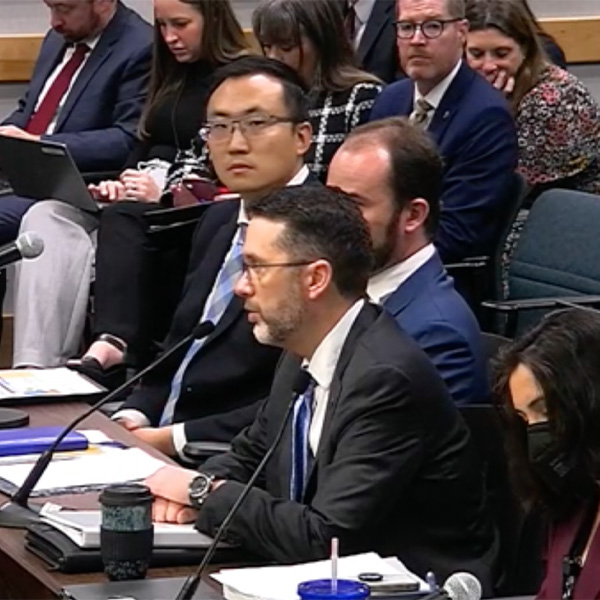
ERCOT staff told Texas regulators they plan to file two urgent protocol changes with the Board of Directors in their latest push to design a new ancillary service that further strengthens the grid’s resource adequacy.

© RTO Insider LLC
ERCOT stakeholders, while raising concerns over the grid operator’s use of conservative operations, have endorsed staff’s recommendations for computing minimum ancillary service quantities for 2026.
Potomac Economics
Energy storage resources and solar capacity helped reduce ancillary services costs and tight system conditions in the ERCOT market during 2024, according to a recent market report.
ERCOT
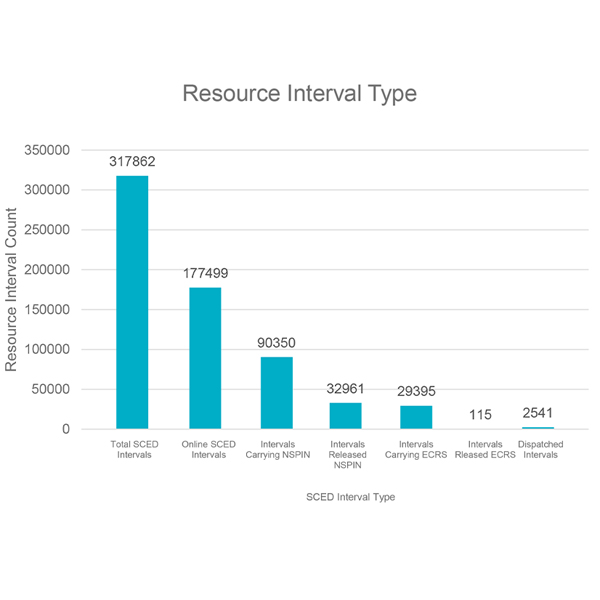
ERCOT stakeholders advanced a protocol change that provides longer-duration ancillary services and state-of-charge parameters, among several other voting items, during their last TAC meeting.

© RTO Insider
ERCOT stakeholders have endorsed several protocol changes related to the ISO’s real-time co-optimization project, keeping on track a project seen as a cornerstone for future market improvements.

© RTO Insider LLC
ERCOT stakeholders have begun discussions on a pair of protocol revision requests related to the grid operator’s real-time co-optimization and battery project, set to go live in December.
ERCOT
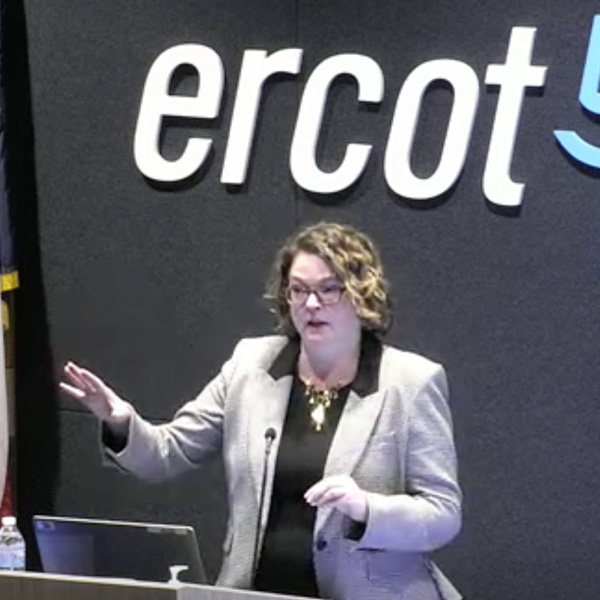
ERCOT's Independent Market Monitor is defending its recent report that the grid operator’s newest ancillary service “likely” raised the real-time market’s energy value by at least $8 billion.

Solar Energy Industries Association
FERC ruled it’s appropriate for MISO to continue to preclude renewable resources from providing ancillary services in its markets, countering a solar trade group’s complaint.

SEIA
The Solar Energy Industries Association lodged a complaint at FERC against MISO’s practice of blocking intermittent resources from its ancillary service market.
NYISO
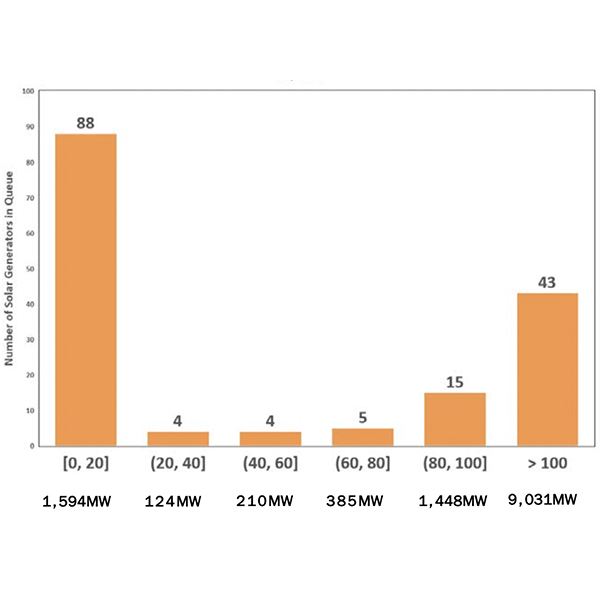
The NYISO BIC recommended approval of tariff revisions to exempt solar generators no larger than 20 MW from meteorological data collection.
Want more? Advanced Search