
behind-the-meter generation (BTMG)

© RTO Insider LLC
PJM stakeholders spent much of a special MIC meeting on distributed energy resources (DER) clarifying definitions.

Customers installing behind-the-meter generation are stretching utilities beyond their role as vertically integrated monopolies, speakers said at NECPUC.
Behind-the-meter generation would need to demonstrate its deliverability before offering into MISO’s capacity auction under a new proposal from the RTO.
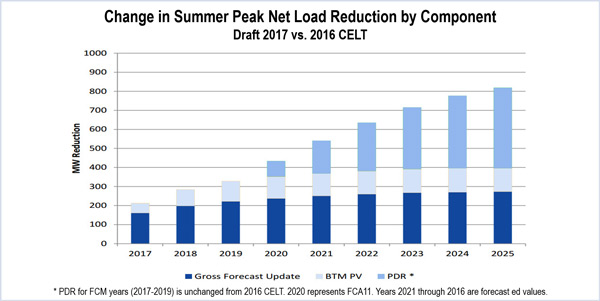
Energy efficiency, lower economic growth and burgeoning home solar installations will reduce the ISO-NE net load through at least 2026.
The unpredictability of cloud cover, which can cause sharp and sudden drops in solar production, creates a challenge for load forecasting in the EIM.
MISO has taken another shot at explaining how behind-the-meter generation (BTM generators) will function in its markets.
Stakeholders say the MISO effort to simplify treatment of behind-the-meter generation has created more questions than it has answered.
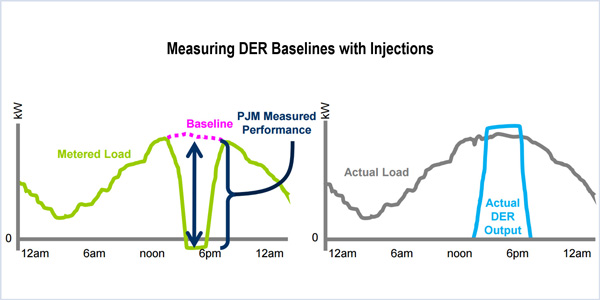
The debate over metering DER in front of or behind the customer’s load was the focus of the PJM Market Implementation Committee’s most recent special session on the topic Nov. 22.
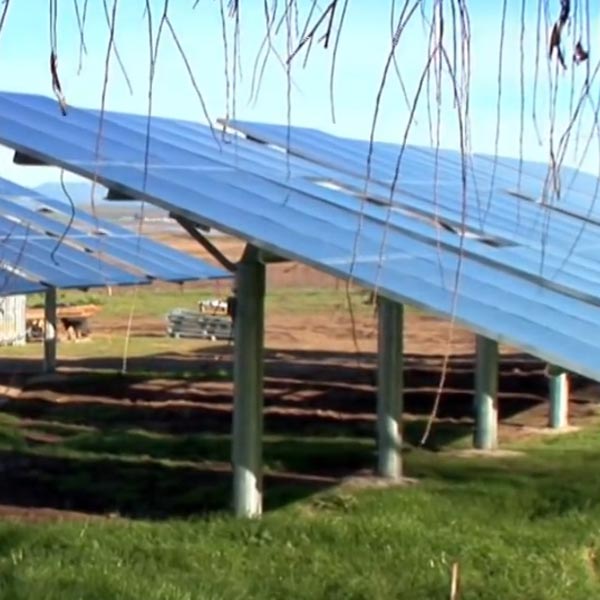
The installed capacity requirement ISO-NE filed with FERC shows a continuing trend of declining load growth and a greater reliance on behind-the-meter solar.
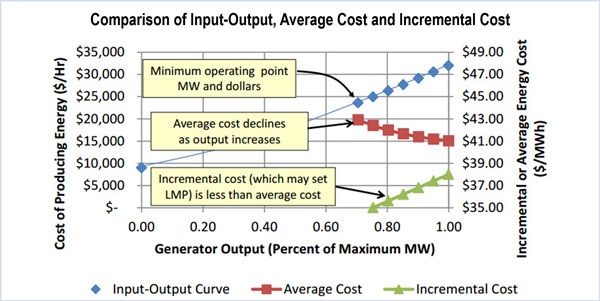
The latest ISO-NE briefing on its ongoing economic study focused on the shortfall of energy market revenues, prospects for storage and meeting RPS goals.
Want more? Advanced Search
