
Bipartisan Policy Center
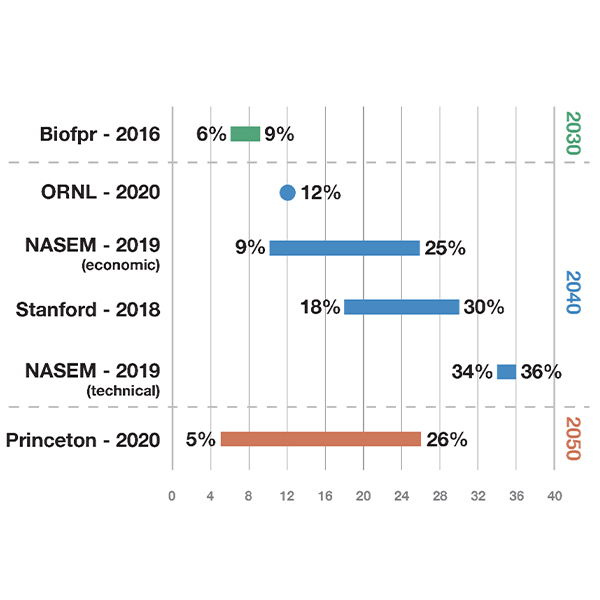
Energy Futures Initiative
Former Energy Secretary Ernest Moniz says BECCS is needed because "every damn tenth of a degree is really important," but environmentalists say the technology is not carbon negative.
Shutterstock
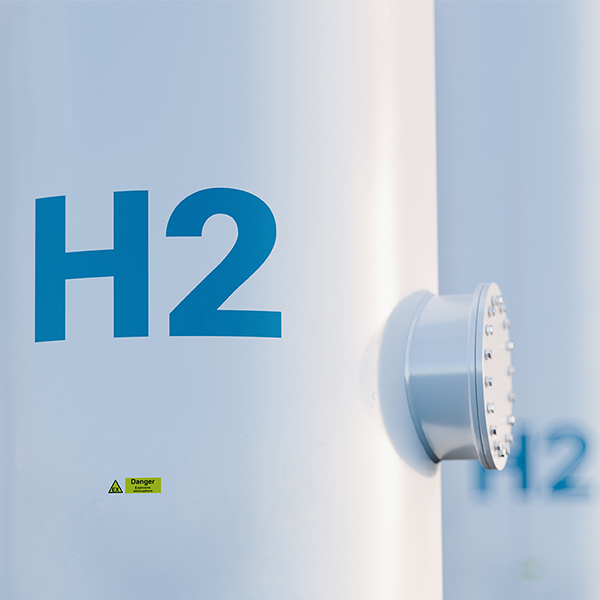
DOE will use $1 billion from the bipartisan infrastructure law to underwrite demand for the clean hydrogen to be produced by regional hydrogen hubs.

© RTO Insider LLC
DOE Office of Clean Energy Demonstrations (OCED) Director David Crane is bringing decarbonization to the 2020s — and taking industry along.

© RTO Insider LLC
Biden may not agree with all provisions in Sen. Manchin’s permitting bill, but he will support it to start negotiations in the Senate, a key adviser said.
© RTO Insider LLC
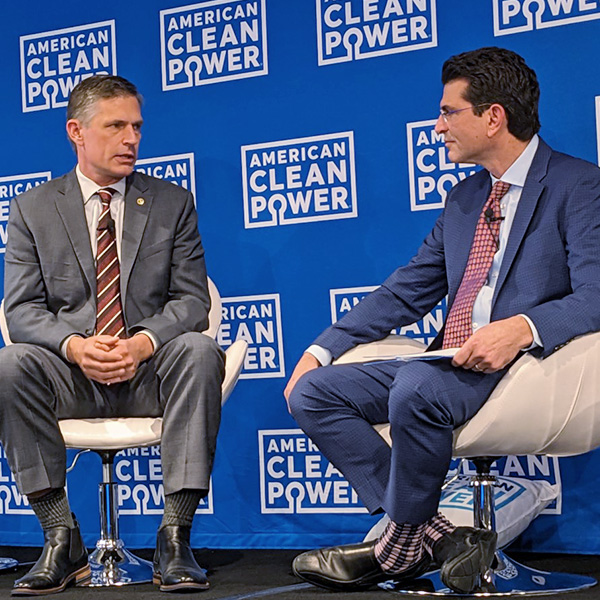
Legislation to streamline the permitting of clean energy projects, including new transmission, may require bipartisan tradeoffs, according to one senator.
Talon Metals
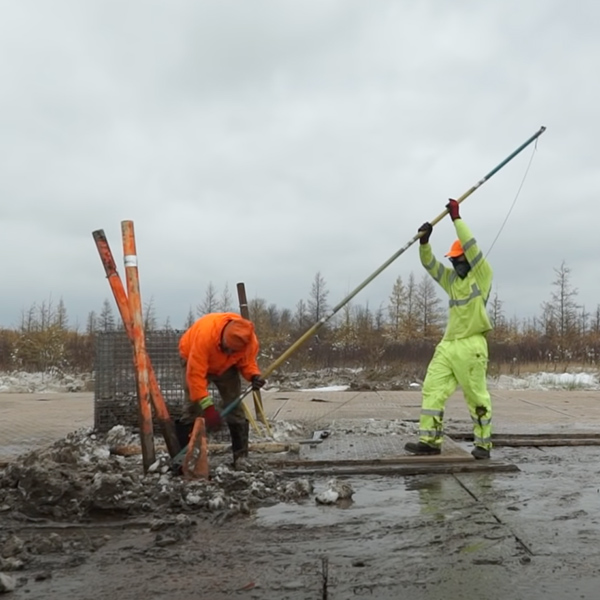
A big roadblock to developing a domestic supply chain for minerals critical to clean energy technology is the General Mining Act of 1872, says Tommy Beaudreau.
National Clean Energy Week
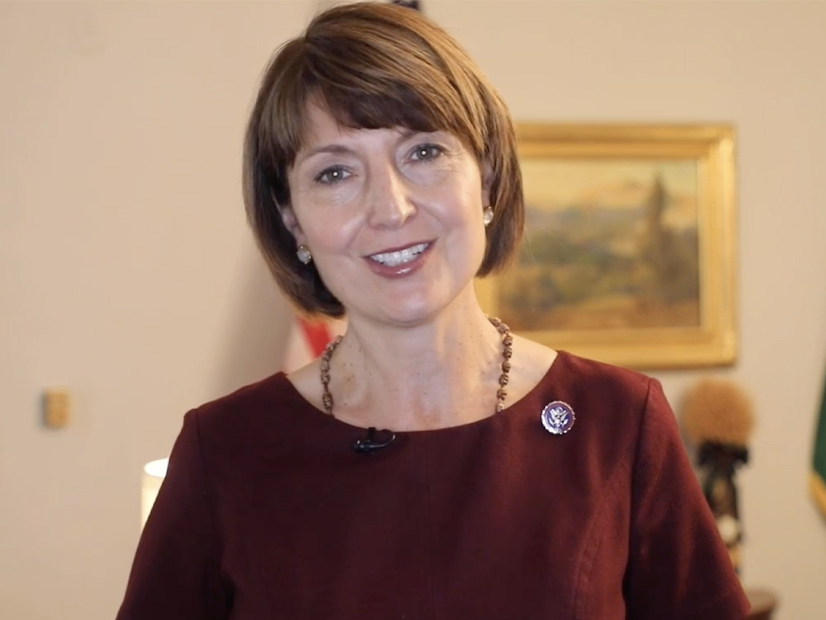
Conservatives' plan to reach net zero includes contributions from gas, nuclear and hydrogen, speakers said at the National Clean Energy Week Policy Symposium.
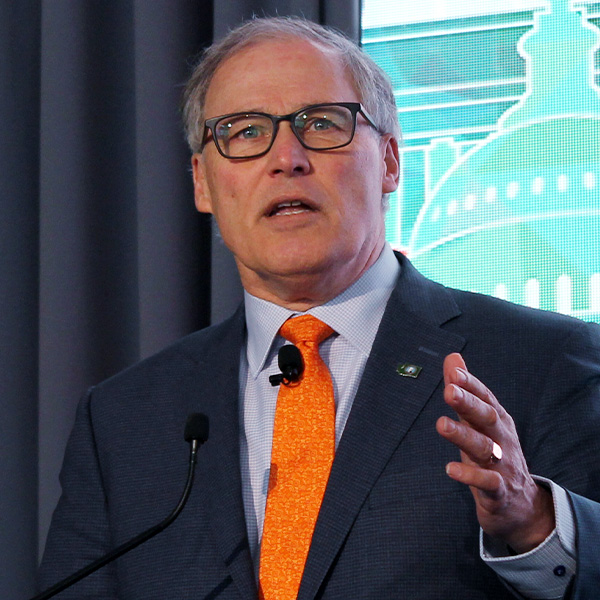
Reactions to the Supreme Court’s decision in West Virginia v. EPA came fast and, predictably, framed with an eye on the upcoming midterm elections.

© RTO Insider LLC
According to an IIJA progress report, allocations to Maryland now total about $1.7 billion, with more than 80% earmarked for transportation infrastructure.

Bipartisan Policy Center
The SEC's proposal to require companies to disclose their climate-related impacts raises the question of "materiality" — that is, what exactly to report.
Want more? Advanced Search
