
capacity shortfall
PJM
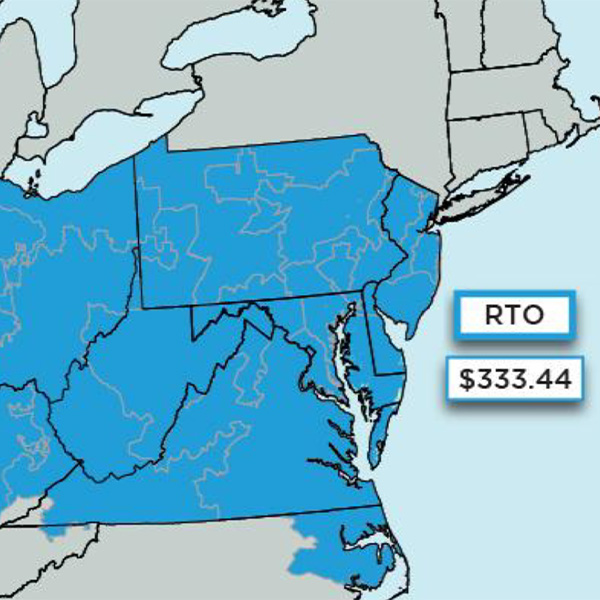
PJM’s 2027/28 Base Residual Auction procured 134,479 MW in unforced capacity at the $333.44/MW-day maximum price, falling 6,623 MW short of the reliability requirement and setting a clearing price record.
ISO-NE
ISO-NE declared a capacity deficiency after an unexpected loss of generation left the region short of its operating reserve requirements.
MISO
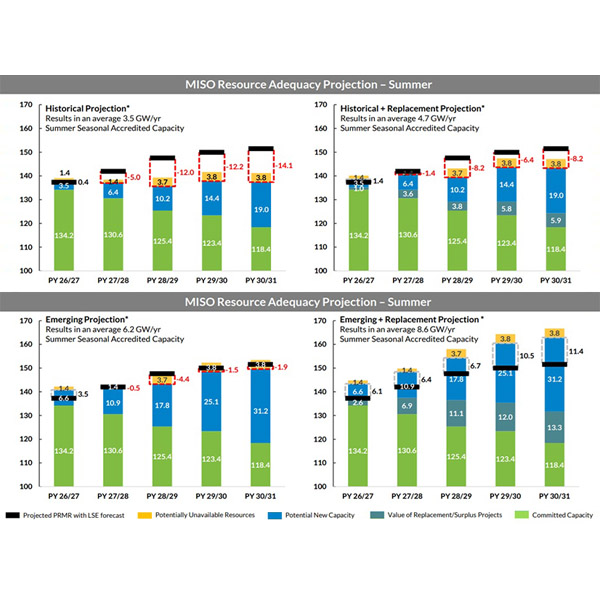
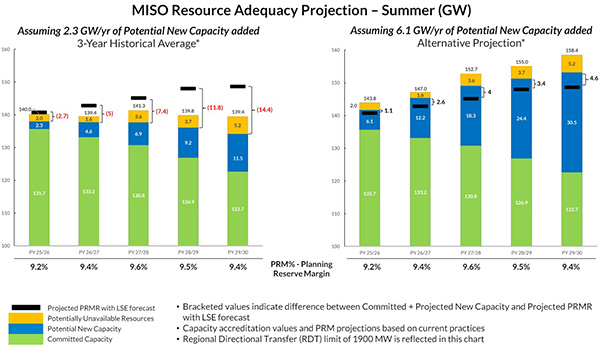
The Organization of MISO States and MISO are confident the footprint will be resource-sufficient in the 2026/27 planning year but said anything from an 11.4-GW surplus to a 14.1-GW deficit could be in store by the 2030/31 planning year.
© RTO Insider LLC
Despite above-average temperatures, the ISO-NE energy market value was down slightly in July 2024 relative to July 2023, ISO-NE COO Vamsi Chadalavada said at the NEPOOL Participants Committee meeting.

© RTO Insider LLC
MISO’s system is at the mercy of faster interconnections of new resources and retirement delays, executives said in a quarterly address to the board and stakeholders.
OMS and MISO
A relatively low turnout of constructed capacity in recent years could deepen a potential 2.7-GW capacity deficit in summer 2025 to more than 14 GW by summer 2029, MISO and OMS revealed in a five-year projection.

© RTO Insider LLC
There’s no going back on waning capacity in MISO, panelists agreed at a gathering of state regulators, though predictions of escalating load growth have some skeptical.

© RTO Insider LLC
Multiple MISO members appeared skeptical at their quarterly meetings that the RTO is destined to face capacity shortfalls before the turn of the decade.
ISO-NE
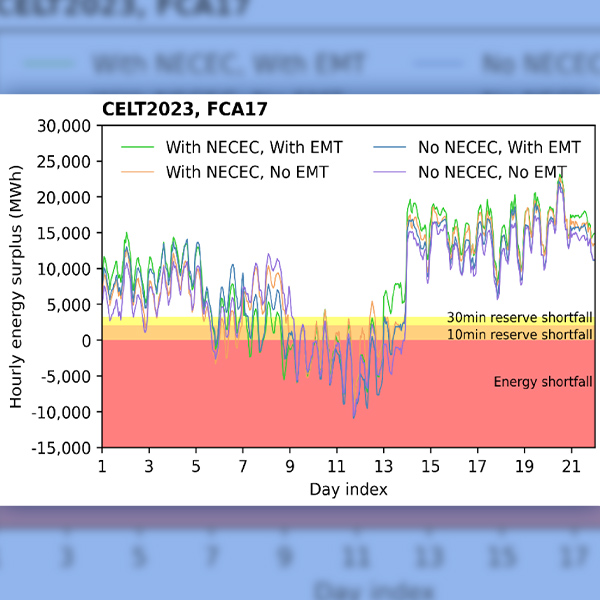
ISO-NE presented the final stage of its Operational Impact of Extreme Weather Events study to stakeholders at the NEPOOL Reliability Committee on Nov. 14.
NYISO
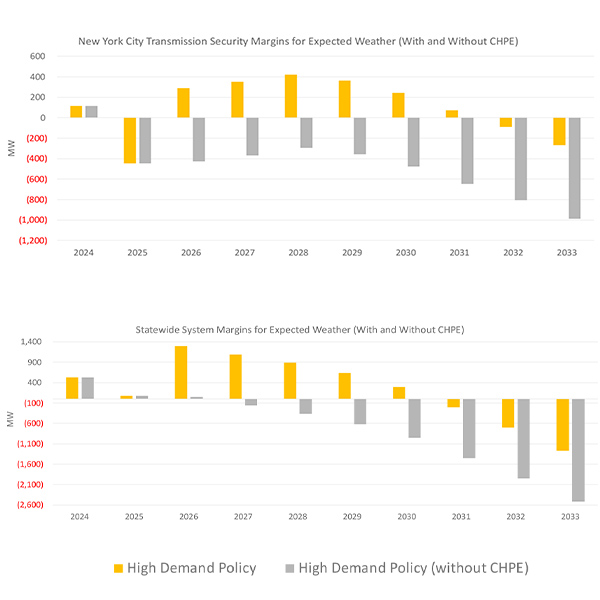
NYISO did not identify any new near-term reliability issues in its third-quarter STAR, but it does anticipate significant load increases in western and central New York that could warrant more attention.
Want more? Advanced Search
