
capacity supply obligation (CSO)
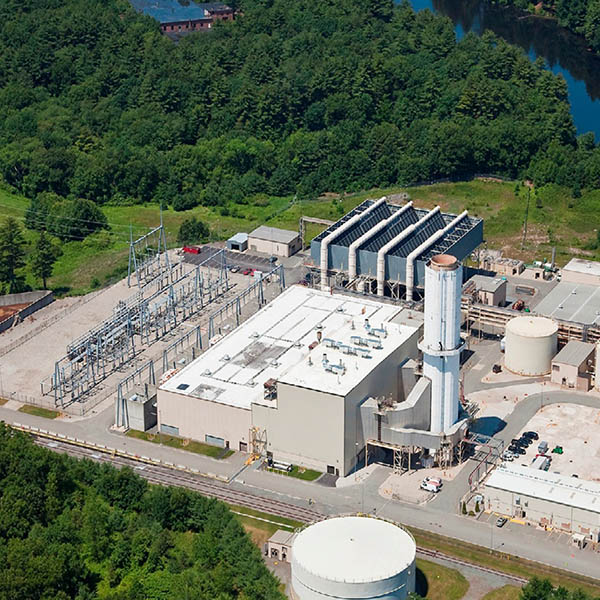
NextEra Energy
FERC partially granted a complaint by the New England Power Generators Association about the design of ISO-NE's Pay-for-Performance mechanism.

© RTO Insider
ISO-NE is proposing tariff changes intended to update how the RTO assigns capacity rights to resources not subject to its interconnection processes.
NextEra Energy
ISO-NE said it is open to capping the balancing ratio used to calculate Pay-for-Performance payments to prevent capacity resources from being required to provide more power than their capacity supply obligations.

ISO-NE
ISO-NE presented the final design details and tariff changes for the first phase of its Capacity Auction Reforms project in preparation for a stakeholder vote in October.
ISO-NE
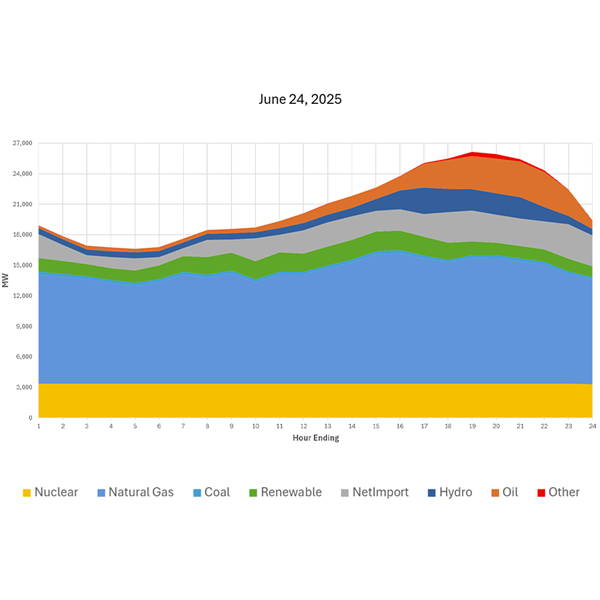
Pay-for-Performance credits accumulated during capacity scarcity conditions June 24 totaled about $114 million, ISO-NE's COO told the NEPOOL Participants Committee.
Constellation Energy
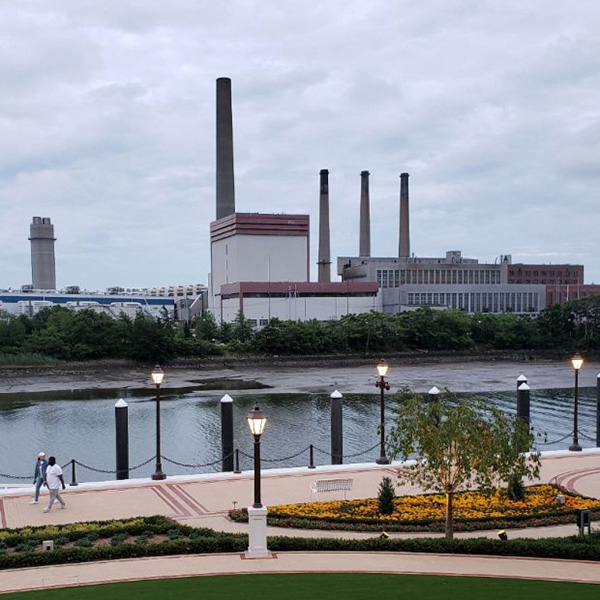
ISO-NE and NEPOOL members discussed how to address market power, tie benefits and resource qualification in a prompt capacity market during a three-day meeting.
Shutterstock
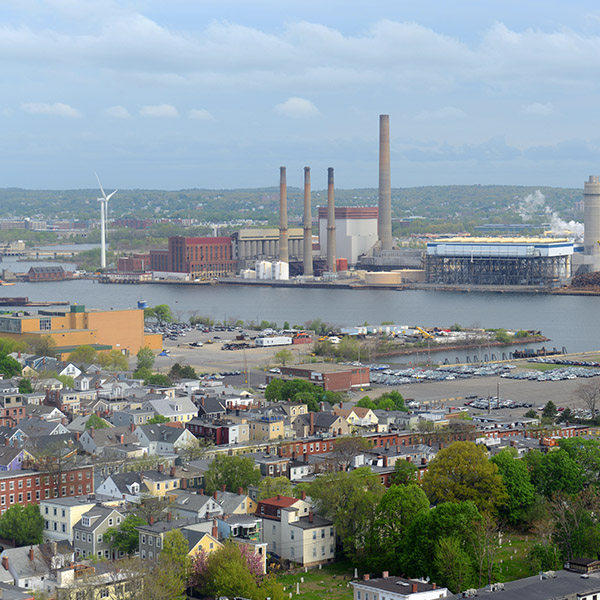
FERC accepted ISO-NE’s proposal to increase the collateral requirements for generators participating in its capacity market, rejecting the New England Power Generators Association’s arguments that the changes violate the filed rate doctrine.
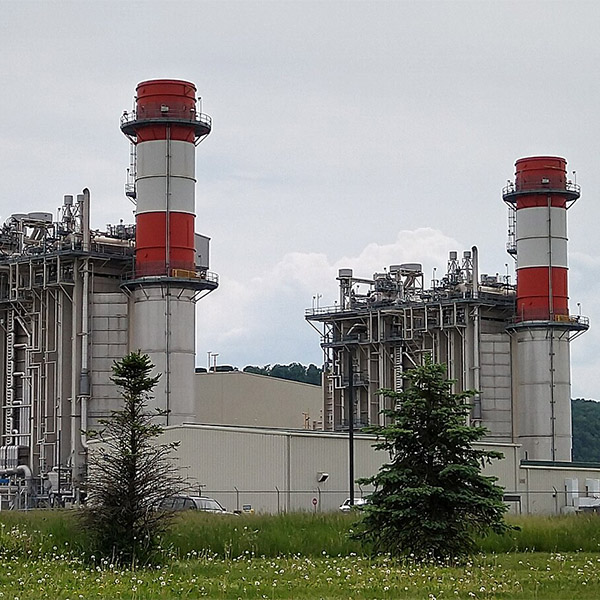
Casey Monaghan, CC-BY-SA 2.0, via Wikimedia
A recently filed proposal by ISO-NE to increase the collateral requirements for generators with capacity supply obligations has received strong pushback from the New England Power Generators Association.
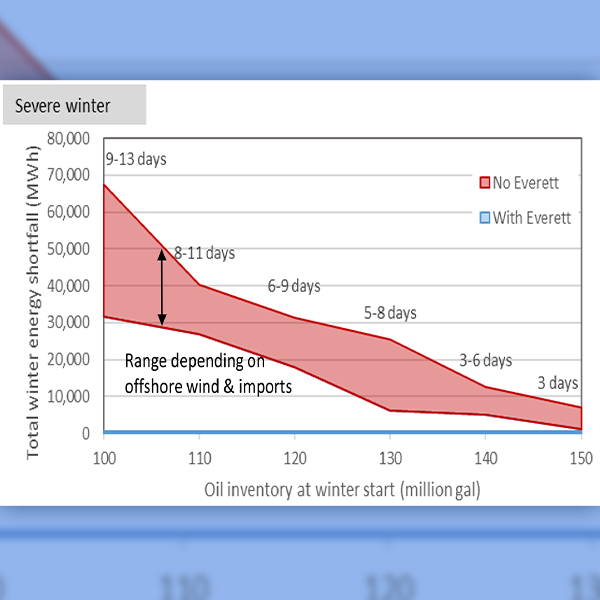
ISO-NE
ISO-NE gave the Participants Committee a review of the past winter and a preview of the next — with and without the Everett LNG terminal.

ISO-NE
ISO-NE stakeholders approved a proposed filing on DERs but rejected the RTO’s concerns in backing Ocean State Power's bid to remain a capacity resource.
Want more? Advanced Search
