
Clean Air Act
PBS
EPA has rescinded its 2009 finding that greenhouse gases are air pollutants that endanger public health and thus require regulation under the Clean Air Act.

© RTO Insider
Former FERC Chair Richard Glick and former FERC economist Devin Hartman told attendees at the Nodal Trader conference that they fear for FERC's independence.
DTE
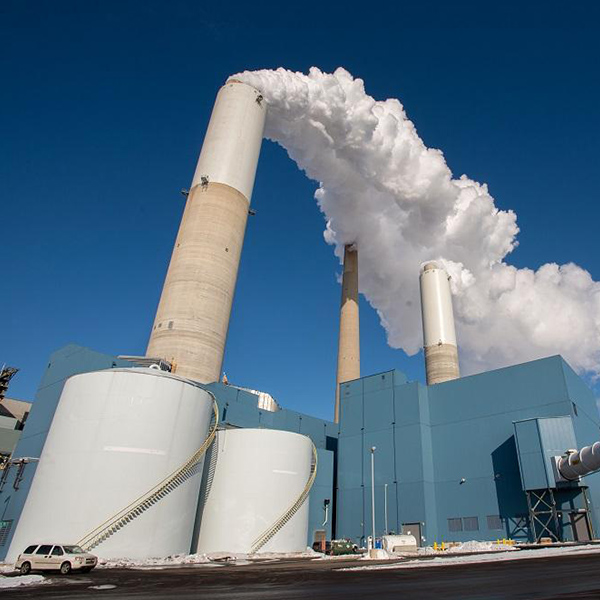
EPA is proposing to rescind its 2009 endangerment finding, which qualifies greenhouse gases as pollutants and has been used by Democratic presidential administrations to regulate emissions from power plants and other sources.
EVgo
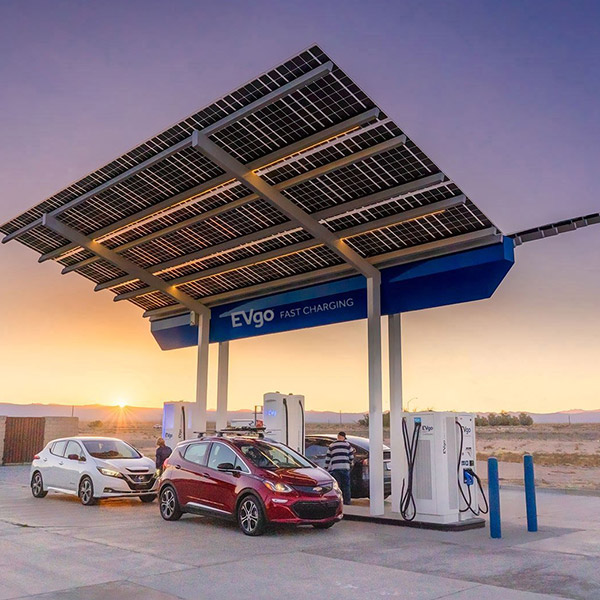
The U.S. Senate approved a resolution under the Congressional Review Act that would end California's EV mandate.
BOEM
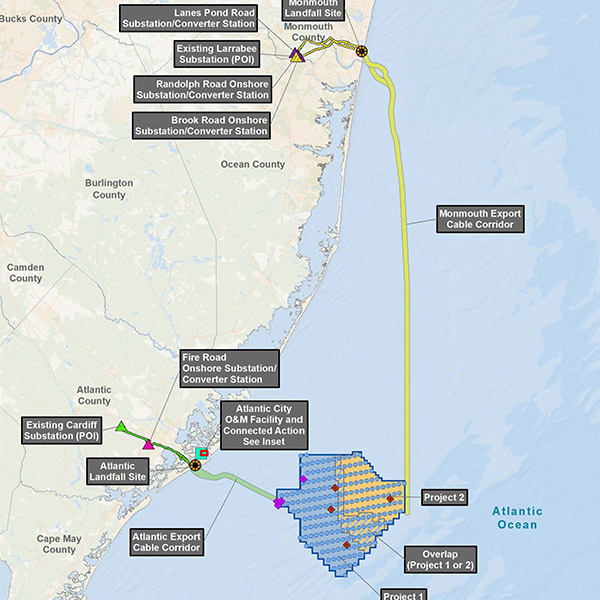
The EPA’s Environmental Appeals Board has granted the agency’s motion for a “voluntary remand” on the air quality permit for the project, essentially returning it to EPA for re-evaluation in light of President Donald Trump’s Jan. 20 executive order on offshore wind.

Shutterstock
In a rapid series of announcements, EPA Administrator Lee Zeldin unleashed a full-scale offensive on the agency’s regulatory authority, as it seeks to roll back as many as 31 regulations.

© RTO Insider LLC
Just weeks before President-elect Donald Trump returns to the White House, the Biden administration has given California permission to enforce rules that require all new cars sold in the state to be zero-emission by 2035.

Shutterstock
The D.C. Circuit Court of Appeals set aside EPA emission rules on new large boilers as they applied to those built prior to August 2020, ruling that was a violation of the Clean Air Act.
Shutterstock
The Edison Electric Institute has joined the litigation against EPA’s power plant rules under Clean Air Act Section 111, filing its own petition to review the rules and intervening in existing suits.

EPA
Coal-fired power plants nationwide will either have to close by 2039 or use carbon capture and storage or other technologies to capture 90% of their emissions by 2032 under EPA’s long-awaited final rule.
Want more? Advanced Search
