
Critical minerals
IESO
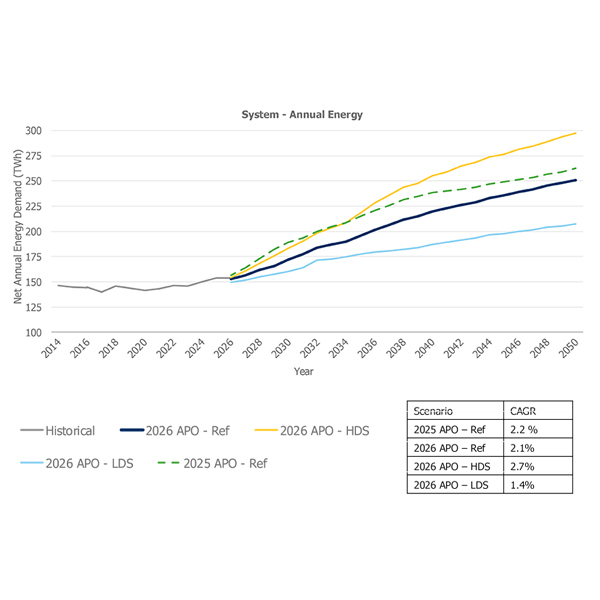
The reference scenario in IESO’s 2026 Annual Planning Outlook indicates net annual energy demand growth of 65% by 2050, from just over 150 TWh in recent years to 250 TWh.
Shutterstock
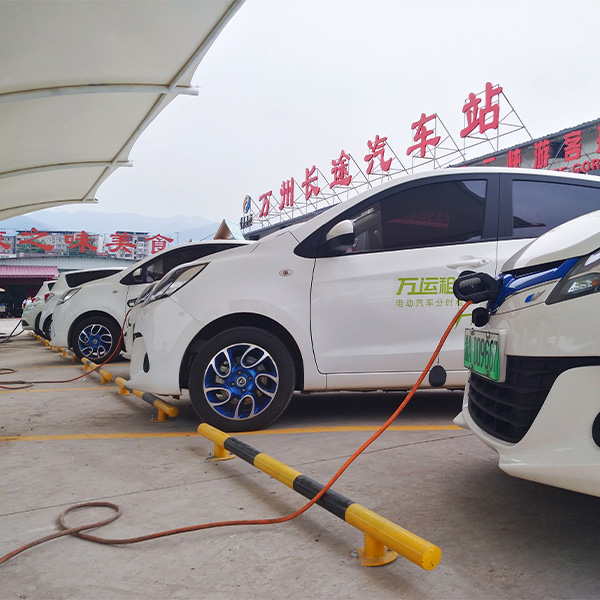
President Joe Biden directed the U.S. trade representative to slap steep new tariffs on Chinese goods, including semiconductors, solar cells, battery components and electric vehicles.
Shutterstock
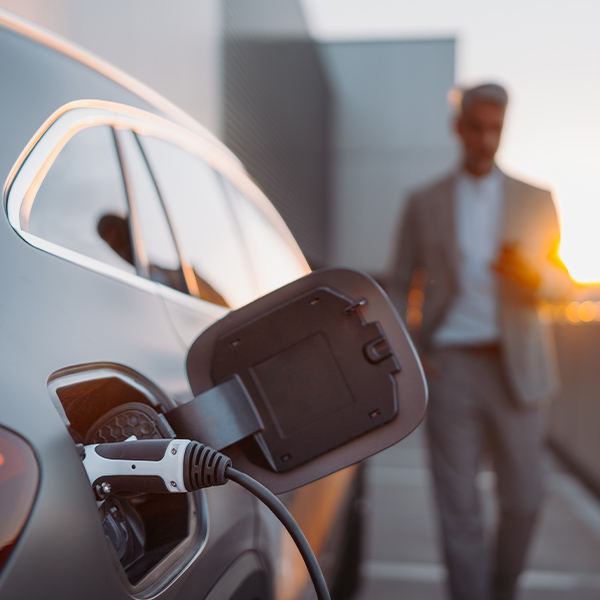
According to Kelley Blue Book, the slow-down in EV sales could be a sign that "EVs are almost mainstream cars in parts of the country. Segment growth typically slows as volume increases."
Nevada Vanadium Mining Corp.
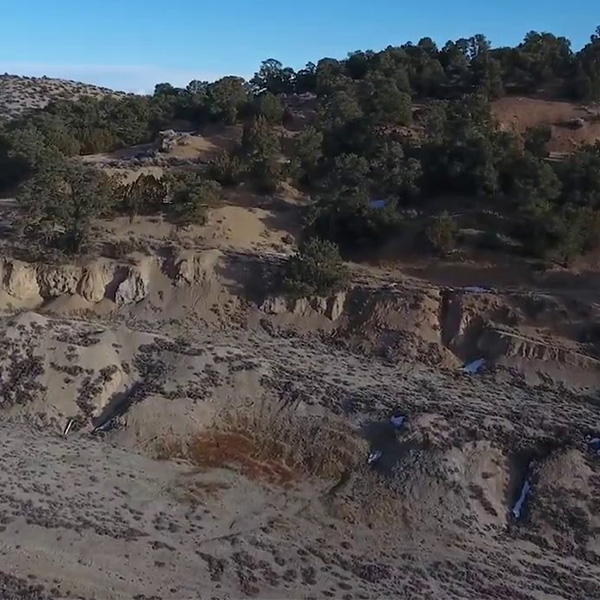
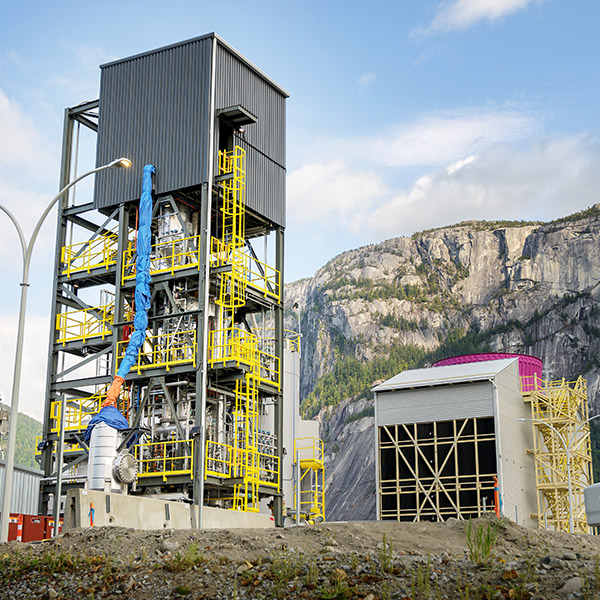
Western Interstate Energy Board member states backed the research project exploring the region's potential for supplying the minerals needed for U.S. energy transition.
Shutterstock
DOE announced a pair of funding opportunities for battery manufacturing and carbon storage designed to spur grid storage, electrification and emission reductions.
U.S. Economic Development Administration
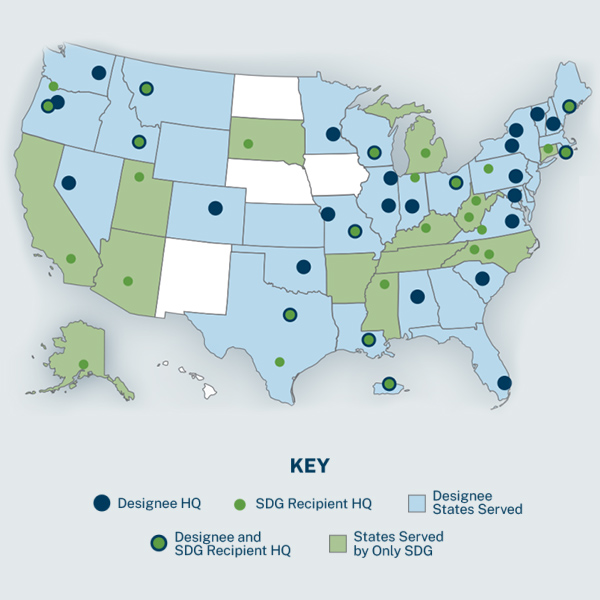
The White House and Department of Commerce announced 31 regional tech hubs, which include some aimed at furthering the energy transition, in an effort to stand up globally competitive industries around the country.
Shutterstock
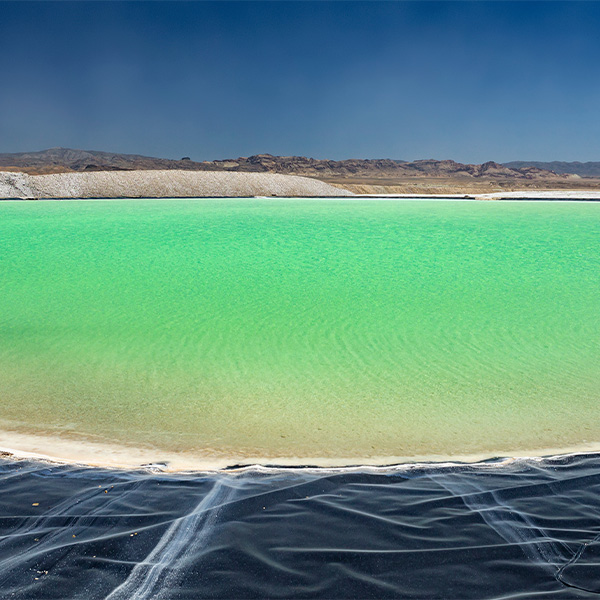
A new IEA report shows sharp increase in critical minerals production and flags potential headwinds to continued growth.

© RTO Insider LLC
The transparency and traceability of critical minerals and battery components will be essential for automakers as they work to meet domestic content provisions.
Bureau of Safety and Environmental Enforcement
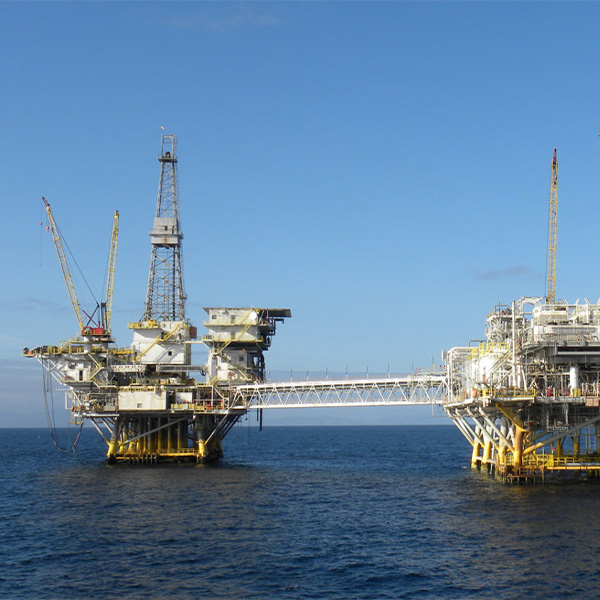
The GOP-led House passed a fossil-fuel friendly energy infrastructure bill that Democrats said will be “dead on arrival” in the Senate.
Talon Metals
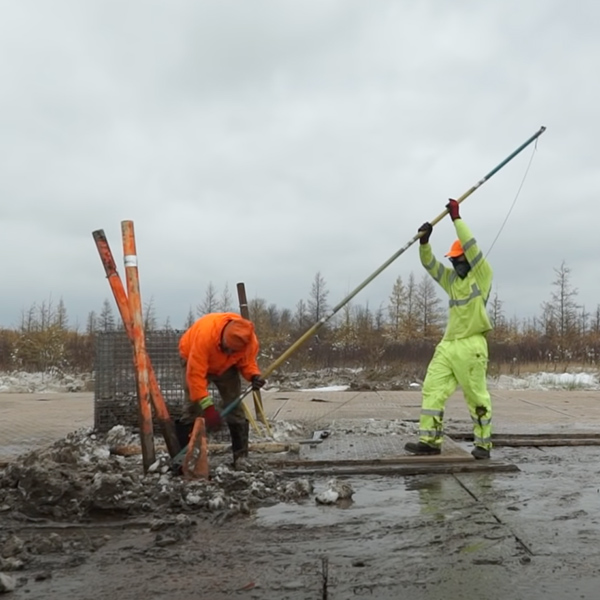
A big roadblock to developing a domestic supply chain for minerals critical to clean energy technology is the General Mining Act of 1872, says Tommy Beaudreau.
Want more? Advanced Search
