data centers
The Century Foundation commentary with data from UC-CCP
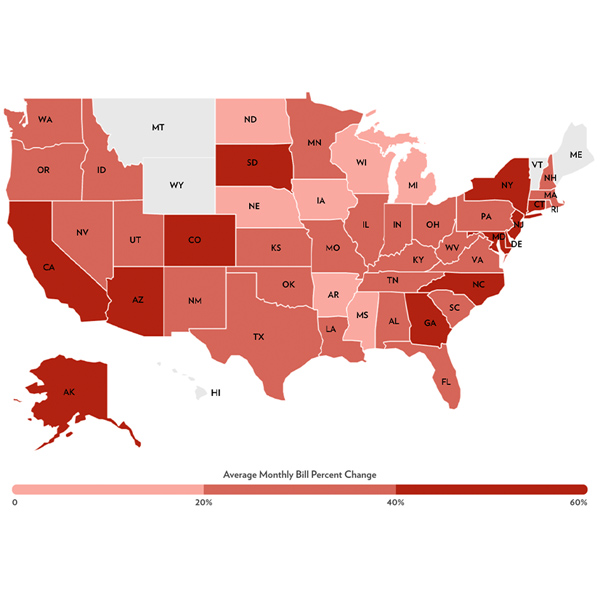
Residential electricity bills have moved from being background noise in discussions about resource adequacy, decarbonization, and transmission expansion to being the loudest political and business risk, says Dej Knuckey.
Duke University
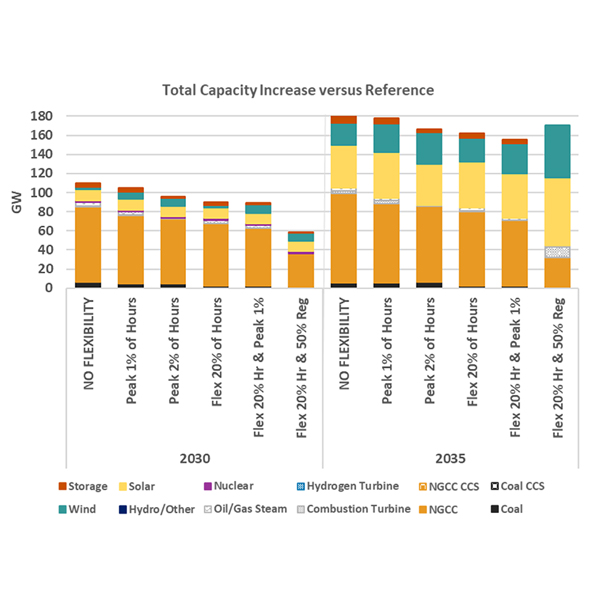
Demand flexibility among data centers could reduce the need for new gas-fired generation needed to supply their energy consumption while driving development of additional renewables and cutting electricity prices, according to a Duke University report.

Charles River Associates
Advanced conductor manufacturer CTC Global is working with Google Cloud and Tapestry to launch the GridVista System, which combines conductors with fiberoptic cables to offer operators visibility along the entire transmission line.

© RTO Insider
ERCOT CEO Pablo Vegas said the grid operator's proposed batch process to study the 232 GW of large loads seeking interconnection will provide clarity and transparency to data center developers.
MISO
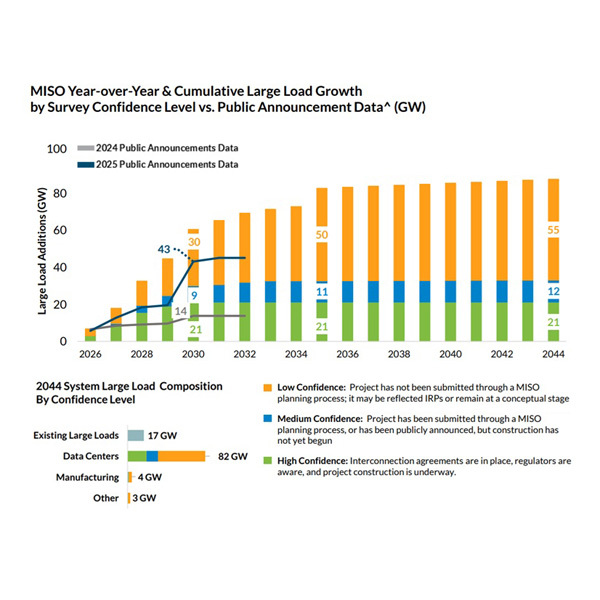
MISO’s inaugural long-term load forecasting survey among its membership uncovered the possibility of 82 GW of data center load additions by 2044.

© RTO Insider
NARUC’s Winter Policy Summit focused on the main issue facing the power industry — how to reliably and affordably interconnect new large load customers.
LoopNet
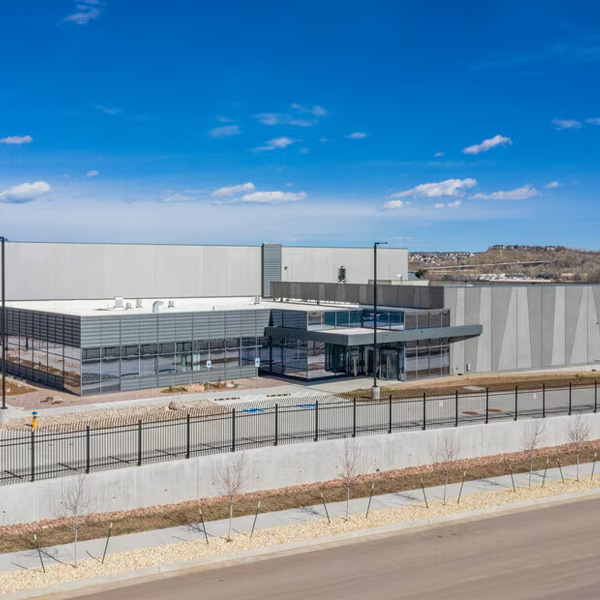
Colorado lawmakers have introduced a bill that would impose renewable energy requirements on data center developers and ban shifting of cost for electricity and grid investments to other utility customers.
Google
New York is trying to strike a balance between economic development, grid stability and affordability as potential new large load customers look for electricity.
© RTO Insider using Yes Energy data
Energy industry analyst Jesse Jenkins stressed that data center developers must match their demand with new clean supply to prevent negative consequences for other consumers and the climate.
Meta
California continues to go all in on data center development, with Pacific Gas and Electric playing its role in the last quarter of 2025 by pushing gigawatts of projects through the investor-owned utility’s design and approval process.
Want more? Advanced Search