
Electric Power Supply Association (EPSA)
NERC
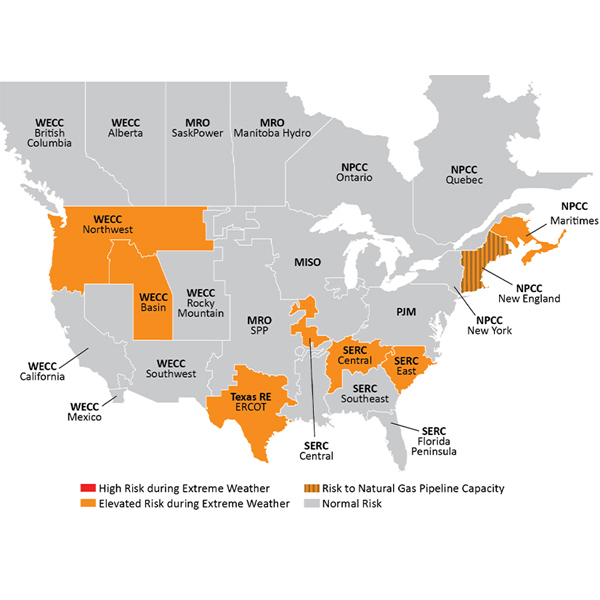
Rising electricity demand is adding to seasonal reliability risks this winter as supply has not kept pace with consumption in many regions, NERC reported in its Winter Reliability Assessment.
© RTO Insider
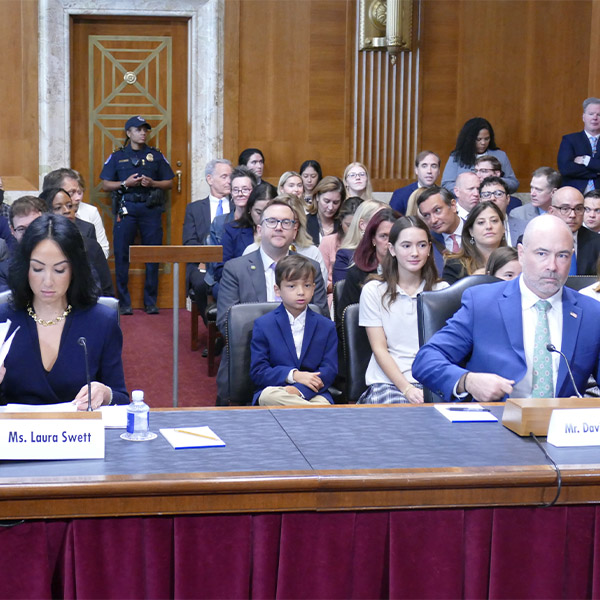
The Senate voted 51-47 along party lines to confirm over 100 nominees, including Laura Swett and David LaCerte to open seats on FERC.
Shutterstock
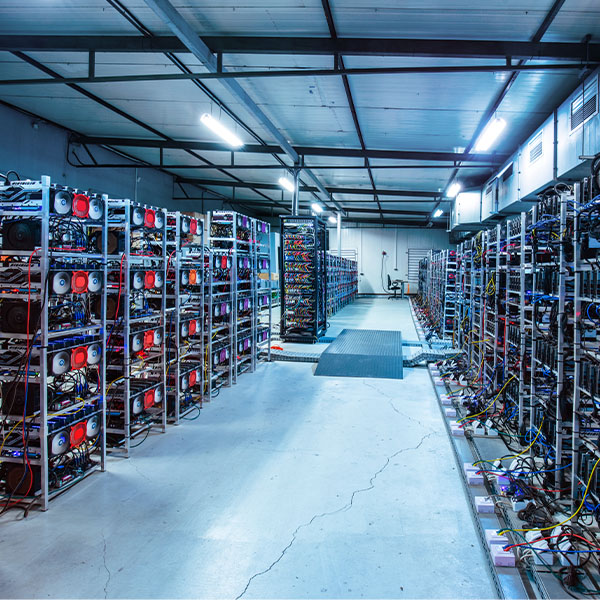
Though progress on legislative action has stalled, permitting reform remains a vital step forward — one where policymakers can make a meaningful difference. As Congress reconvenes, this critical issue is back on the table, says Todd Snitchler.

NextEra Energy
ISO-NE said it is open to capping the balancing ratio used to calculate Pay-for-Performance payments to prevent capacity resources from being required to provide more power than their capacity supply obligations.
State of Ohio
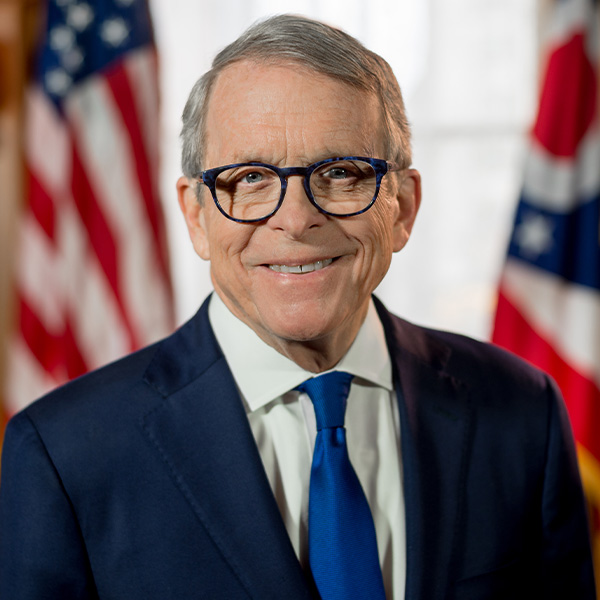
Ohio's governor signed into law a major reform of how the state regulates utilities, eliminating electric security plans that utilities have used to meet demand from non-shopping customers since a 2008 law authorized them.
House Energy and Commerce Committee
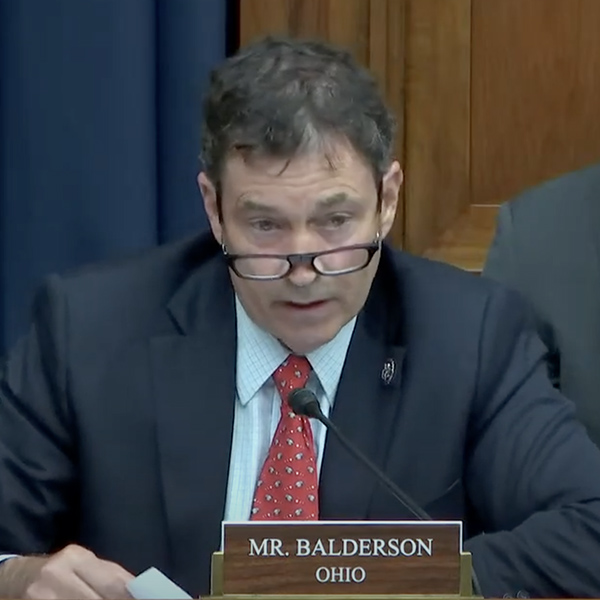
A bill that would allow dispatchable energy projects to jump ahead in the interconnection queue under certain circumstances sparked debate during a House Energy and Commerce Subcommittee.
© RTO Insider
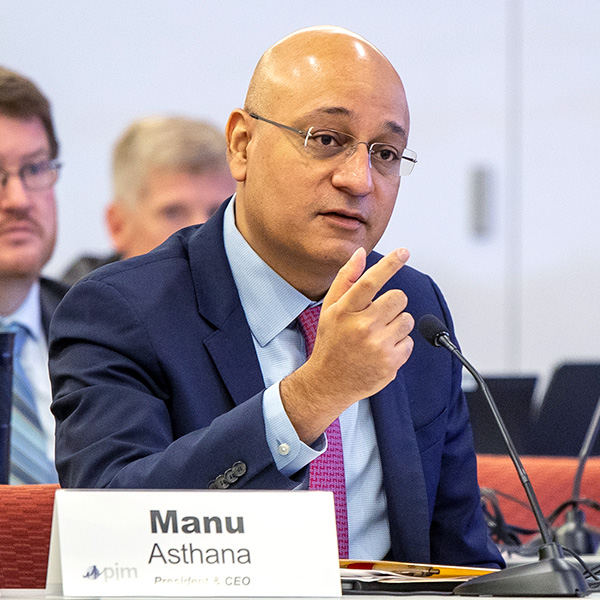
PJM CEO Manu Asthana announced he will resign from his position at the end of 2025 after more than five years of leading the RTO.
© RTO Insider
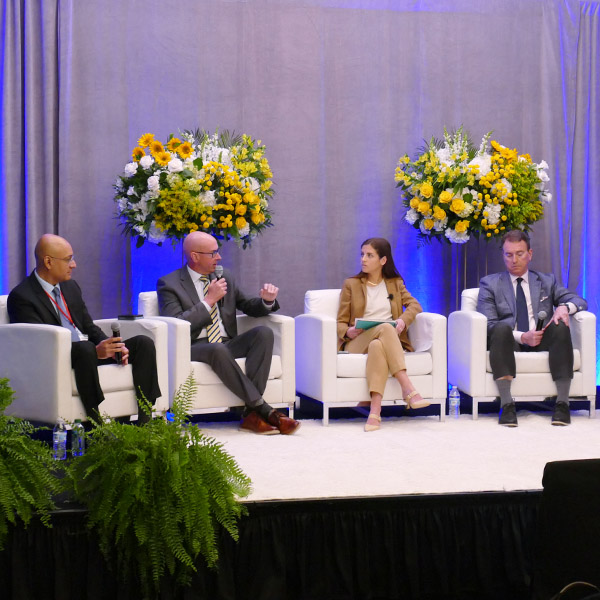
Attendees at the Electric Power Supply Association’s Competitive Power Summit discussed how markets are responding to rapid demand growth.
Timothy H. Raab and Northern Photo
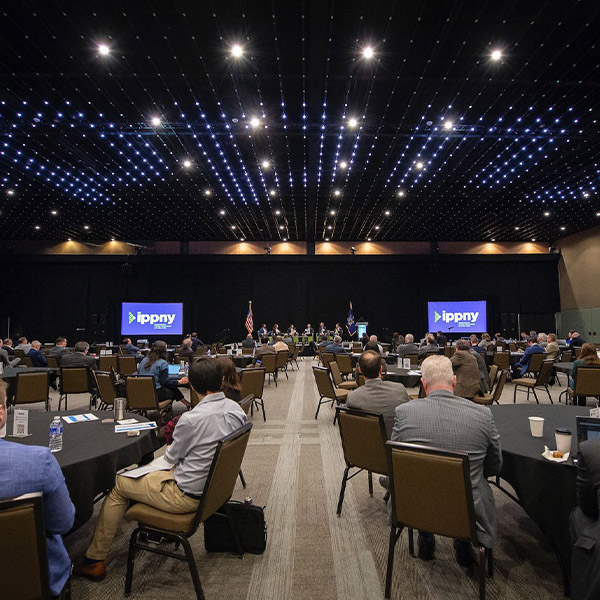
NYISO stakeholders heard about the tension between public policy pushes for zero-emission generation, the aging grid, increasing customer costs and concerns about winter peaking.
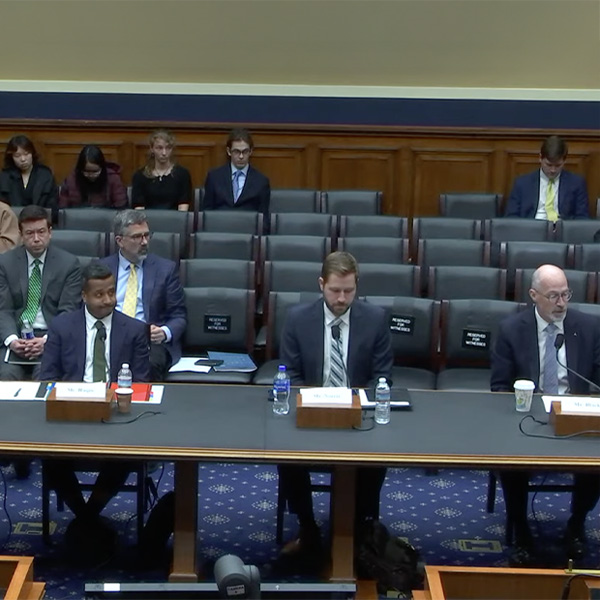
House Committee on Energy and Commerce
The House Energy and Commerce Subcommittee on Energy looked into demand growth, which both parties recognized as an opportunity that could benefit policy changes, though plenty of daylight exists on how to address it.
Want more? Advanced Search
