Electric vehicles (EVs)
Shutterstock
The shift in incentive strategy, toward low- and mid-income buyers, comes as New Jersey seeks to continue its recent relatively strong EV sales amid signs of weakening markets in other states.
BloombergNEF
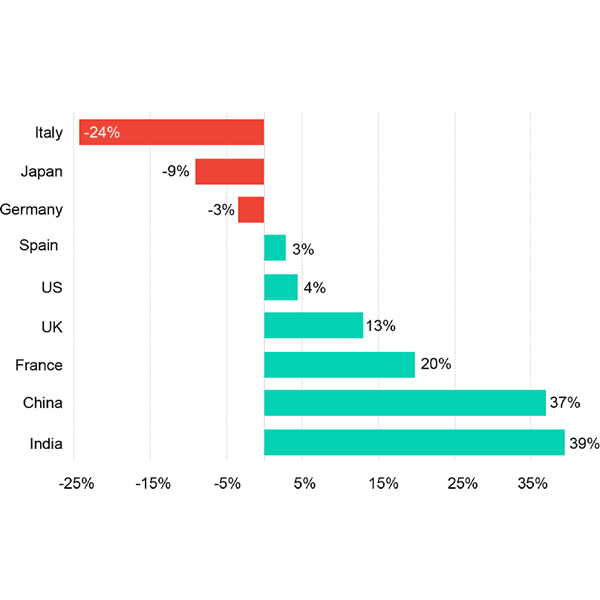
About 20% of all vehicles sold worldwide this year will have a plug ― either battery electric or plug-in hybrid ― with sales predicted to rise to one-third by 2027.
California Energy Commission
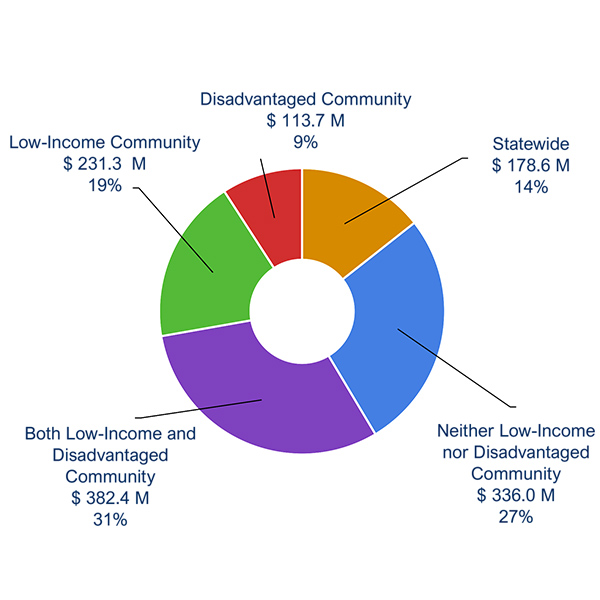
California must find ways to allocate more of its funding for ZEV infrastructure to disadvantaged communities, according to an advisory committee for the Energy Commission's Clean Transportation Program Investment Plan.
Shutterstock
The new standard sets regular 2% increases in fuel efficiency for passenger cars ― sedans and SUVs ― per year between the 2027 and 2031 model years, rising from 60 mpg to 65.1 mpg.

DOE
DOE initiatives aimed at expanding EV charging networks have become more urgent as the November election looms and growth in EV sales has slowed.
Shutterstock
President Joe Biden directed the U.S. trade representative to slap steep new tariffs on Chinese goods, including semiconductors, solar cells, battery components and electric vehicles.
Shutterstock
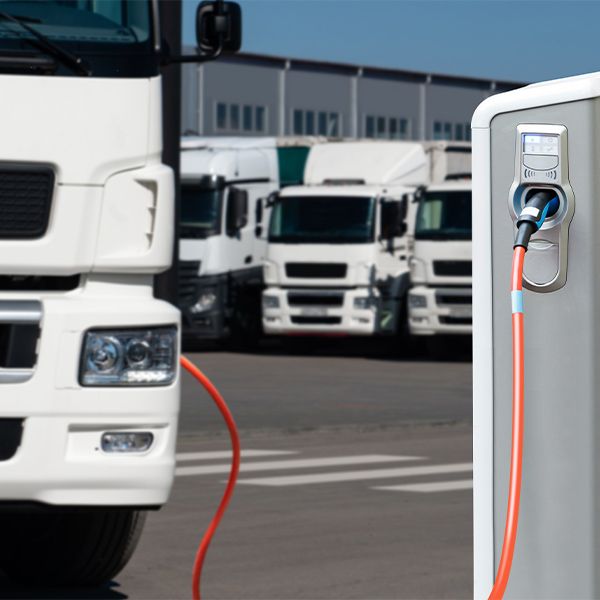
Serving new demand from medium- and heavy-duty vehicle electrification will require grid upgrades but could lower utility rates, Advanced Energy United said.
Shutterstock
According to Kelley Blue Book, the slow-down in EV sales could be a sign that "EVs are almost mainstream cars in parts of the country. Segment growth typically slows as volume increases."
Shutterstock
The state of Washington announced it will offer financial aid for residents of modest income wanting to buy or lease electric vehicles.
BloombergNEF
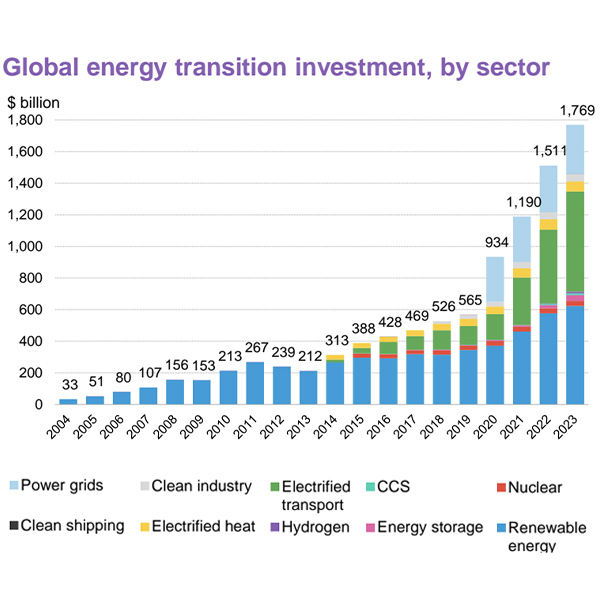
Global investment in passenger electric vehicles was up 36% in 2023, investment in energy storage jumped 77%, and investment in carbon capture and storage nearly doubled.
Want more? Advanced Search