Energy and Environmental Economics (E3)
LDES Council
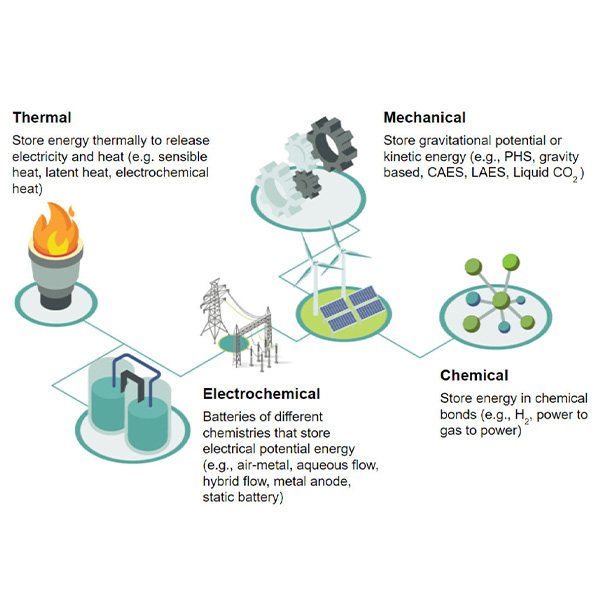
A recent study found that deploying 37 GW of long-duration energy storage could help bring California to zero emissions by 2045.
CAISO
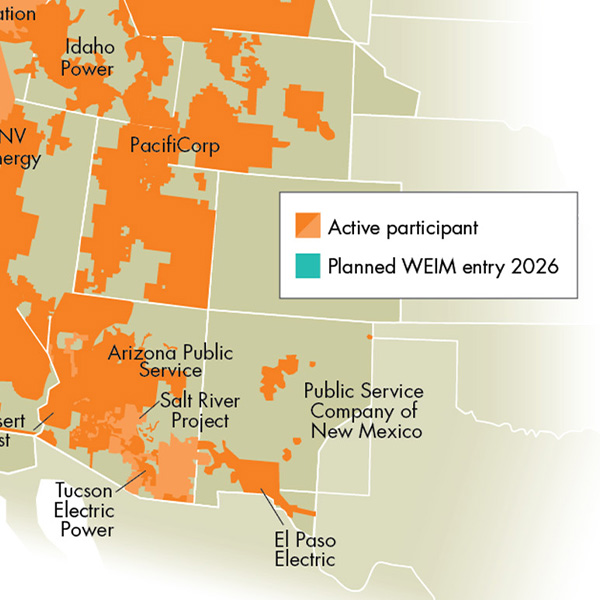
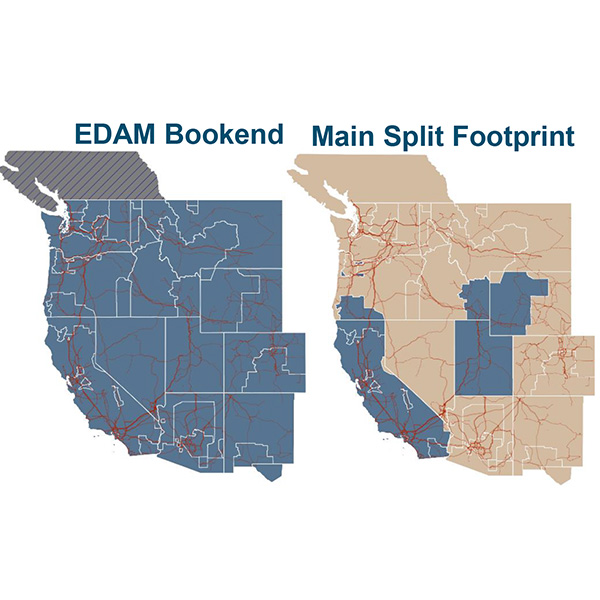
Despite the recent release of results from a study on the two competing day-ahead markets in the West, two New Mexico utilities said they need to conduct more analysis before they make a choice.
Western Markets Exploratory Group
The New Mexico Public Regulation Commission will dive into a report on the financial implications of a Western day-ahead electricity market.
BPA
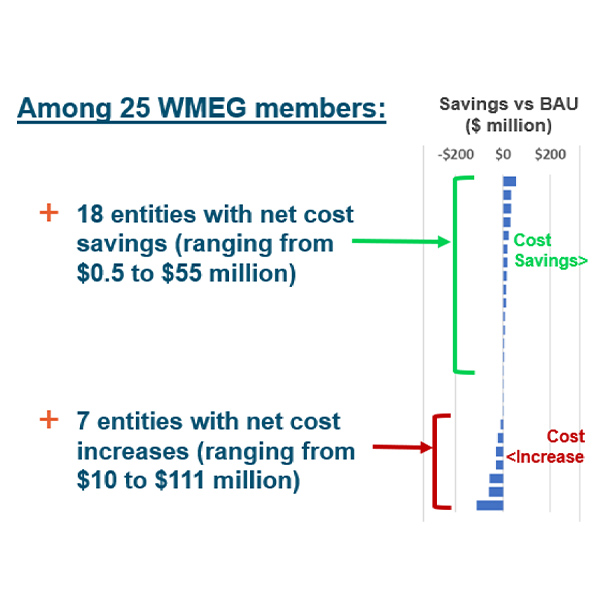
The results from a WMEG study indicate that many entities outside California would see more benefits from a two-market outcome while the Golden State has the most to lose from such a split.
PNM
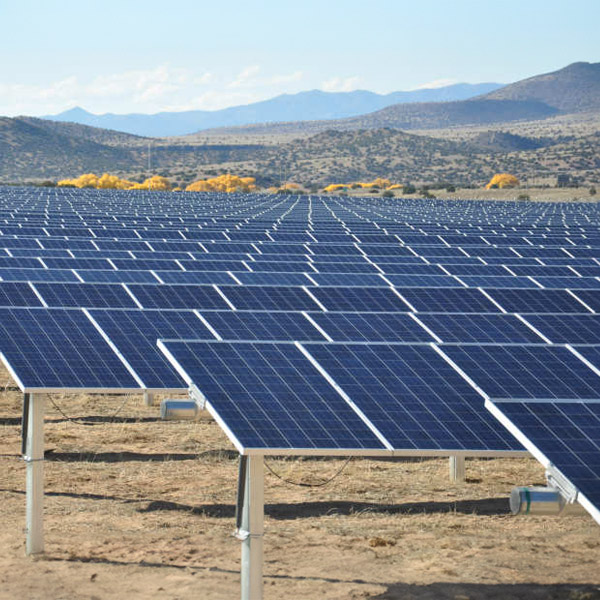
When it comes to choosing between Western day-ahead market offerings, who else is participating in the market is a key consideration, a representative of a New Mexico utility said.

© RTO Insider LLC
An SPP Resource Adequacy Summit provided an opportunity for federal and state regulators, academics, market participants and stakeholders to discuss the reliability issues facing the grid.

© RTO Insider LLC
The Infocast Texas Clean Energy Summit attracted several hundred developers, asset owners, financiers, investors and ERCOT stakeholders to discuss the booming opportunities and looming challenges in today’s renewables environment.

Shutterstock
Power demands from the upstart clean hydrogen industry could lead to a dirtier electric grid.

© RTO Insider LLC
MISO players weighed the RTO’s recent moves to fortify resource adequacy, including seasonal capacity, accreditation approaches a downward-sloping demand curve.
E3/ACORE
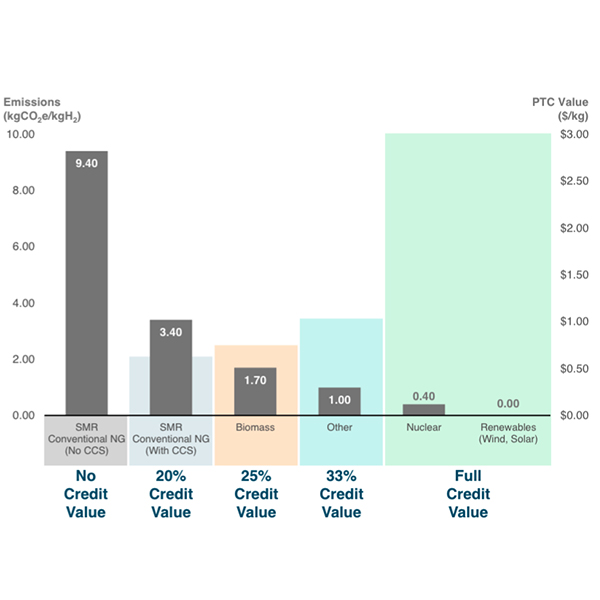
Federal production tax credits for green hydrogen will depend on the "cleanliness" of the power used to produce it.
Want more? Advanced Search