Energy and Environmental Economics (E3)
NYDPS
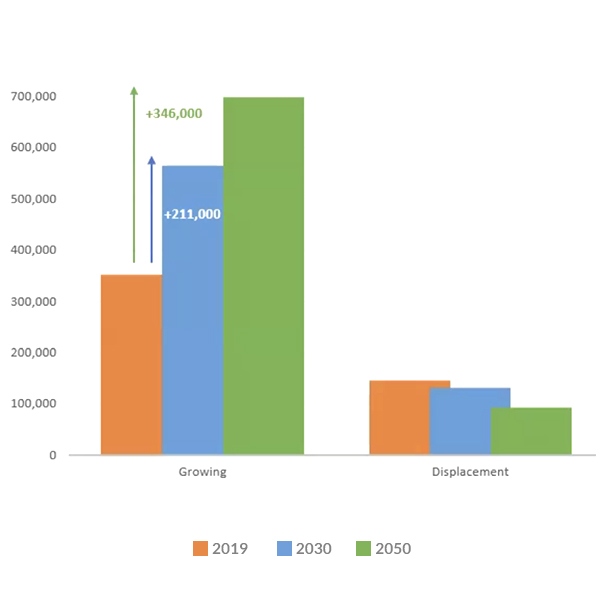
New York officials report that clean energy jobs will increase by more than 200,000 this decade and by nearly 350,000 by midcentury.

NY State
NYISO plans to bring most employees back to the headquarters building Nov. 1st and resume holding in-person stakeholder meetings on Nov. 17.
Maryland Commission on Climate Change
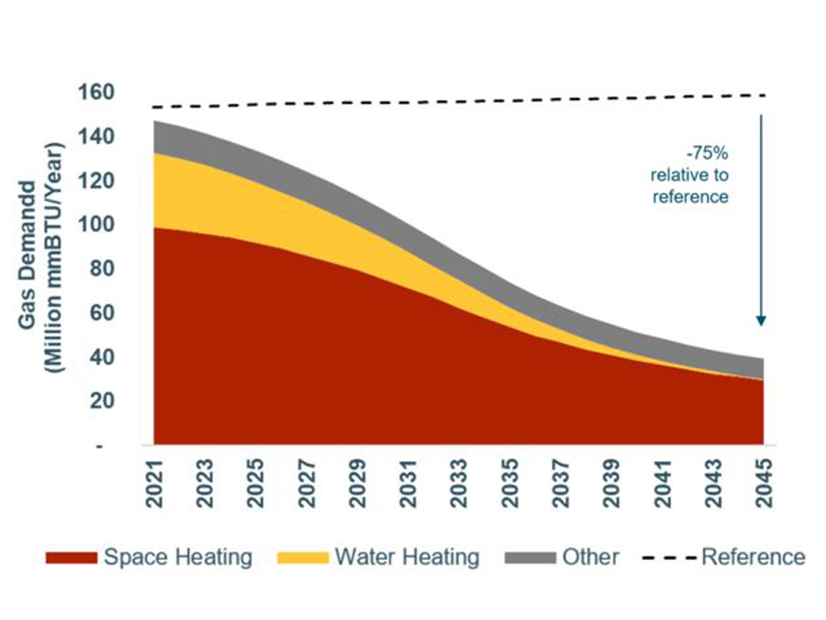
A Maryland Climate Change Commission working group recommends ordering the state's Building Code Administration to adopt an all-electric construction code.
Southern California Edison
Panelists at a FERC technical conference on energy and ancillary services markets agreed that rules should be changed to incent new resource types.
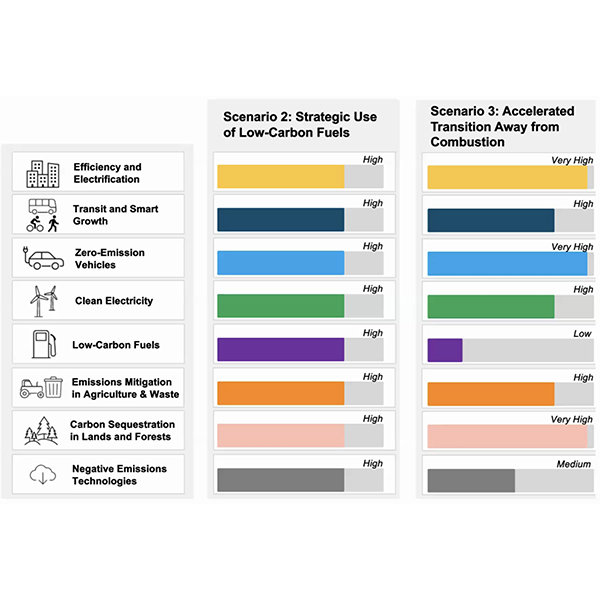
The New York State Climate Action Council discussed an integration analysis toward shaping its final scoping plan by year-end to reach goals outlined in the CLCPA.
Energy and Environmental Economics
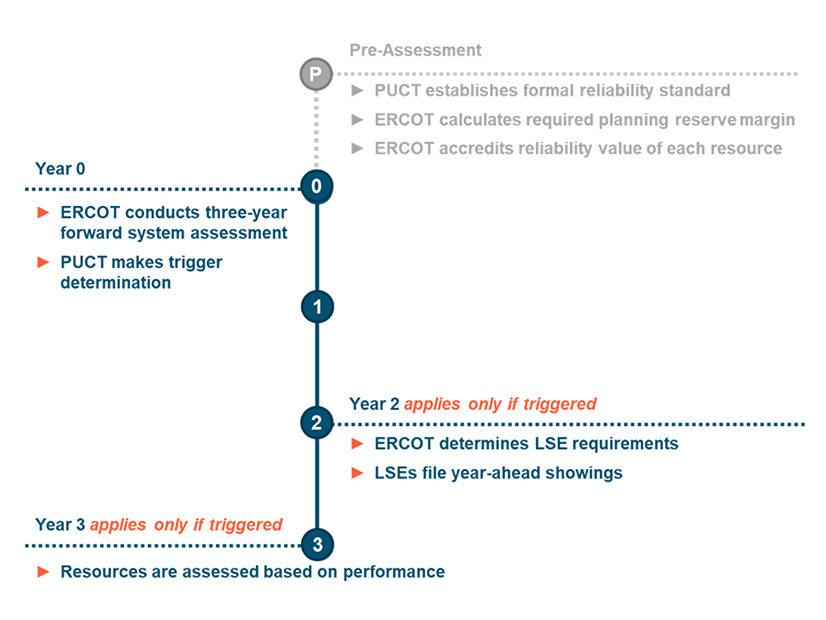
A new white paper proposes creating an LSE Reliability Obligation in ERCOT that would assign Texas utilities a certain amount of capacity to maintain.
BMW
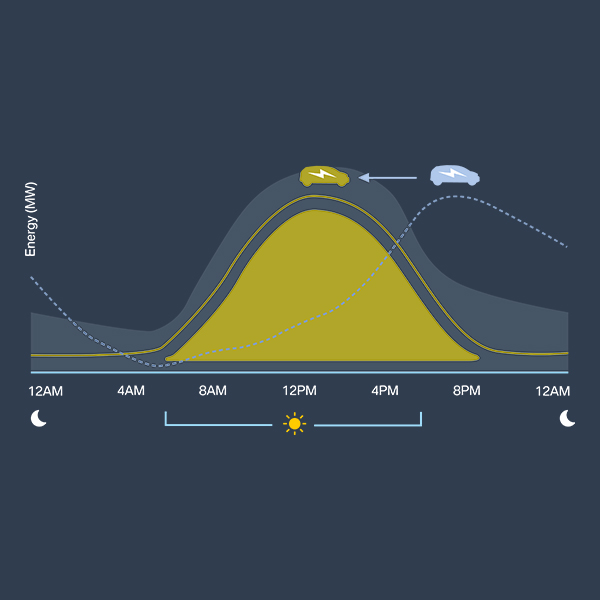
Managed-charging strategies emerge as incentives intended to encourage EV owners to charge during off-peak hours create late-night surges in power use.
OurEnergyPolicy
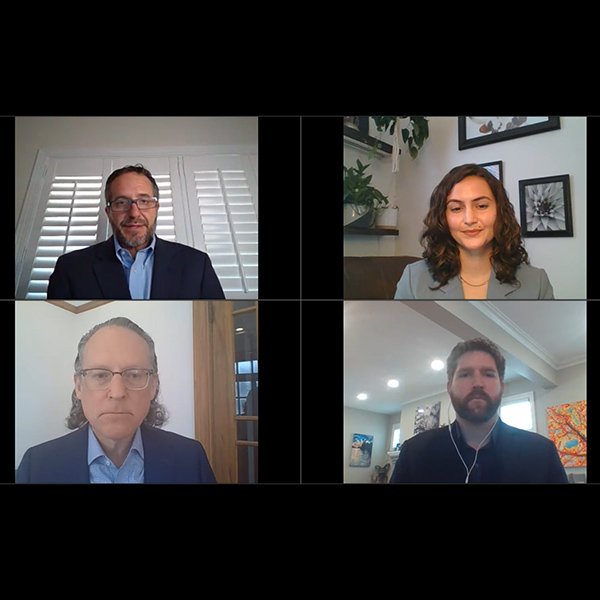
OurEnergyPolicy brought in experts on both sides of the debate to discuss the benefits and drawbacks of adopting a national clean energy standard.
Shutterstock
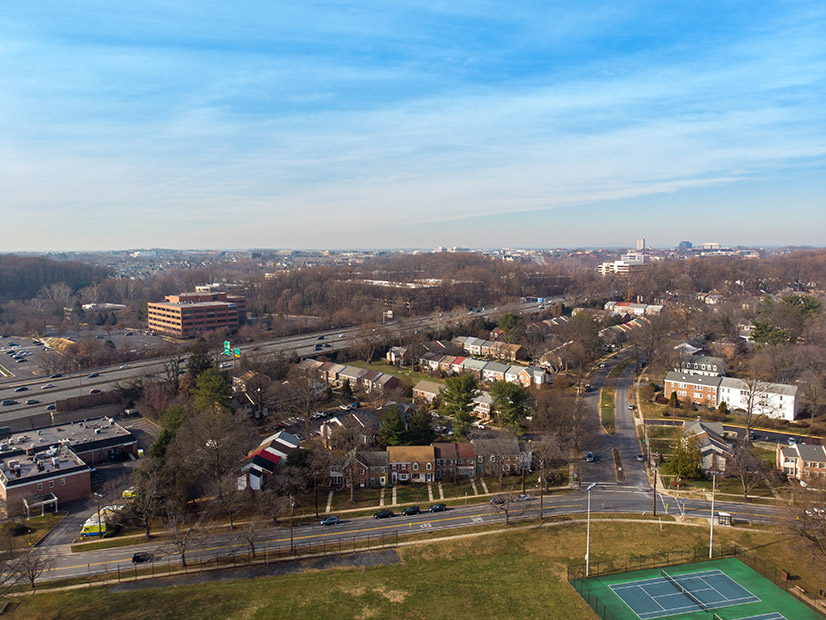
Maryland is looking at challenges of different pathways to building decarbonization, while Montgomery County explores solutions in energy performance standards.
Energy+Environmental Economics
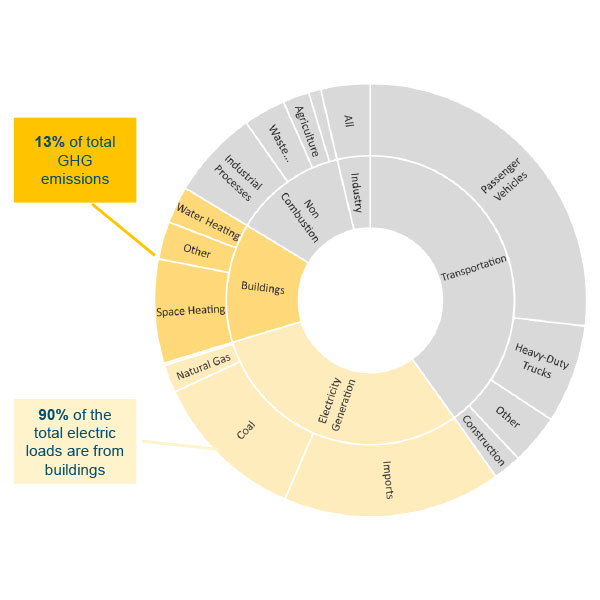
Maryland has several “feasible pathways” to eliminate greenhouse gas emissions from its buildings by 2045, according to a study presented to stakeholders.
Want more? Advanced Search