
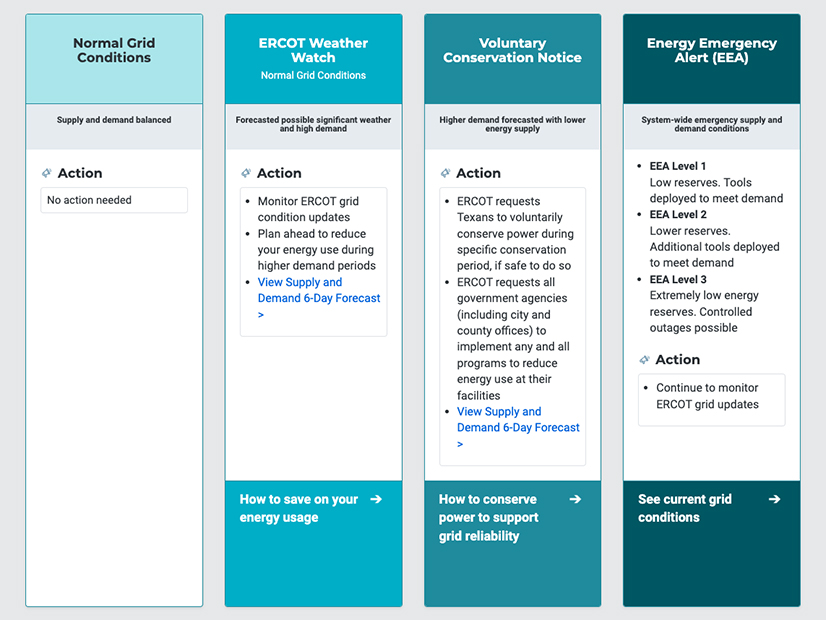
energy emergency alert (EEA)
NOAA
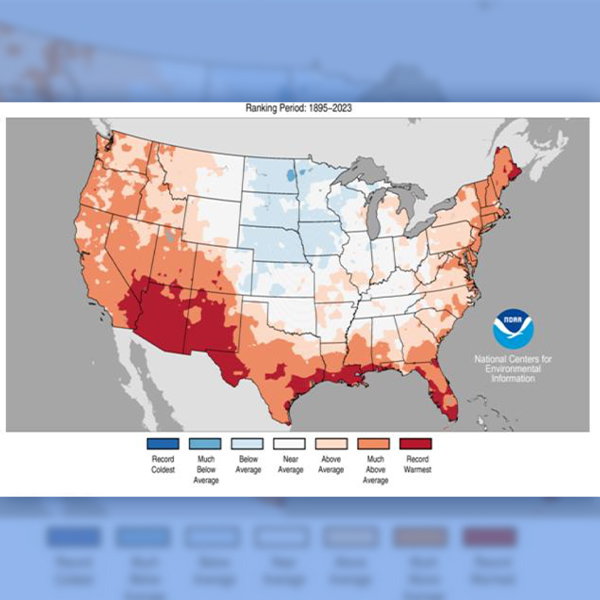
CAISO’s issuance of energy emergency watches and alerts in July came under conditions that mirrored those during California’s September 2022 heatwave.
ERCOT
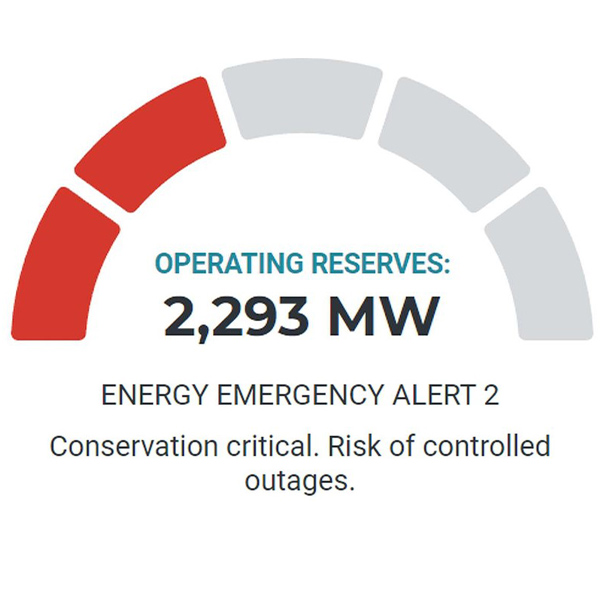
A drop in voltage forced ERCOT to enter emergency operations for the first time since the disastrous February 2021 winter storm.
© RTO Insider LLC
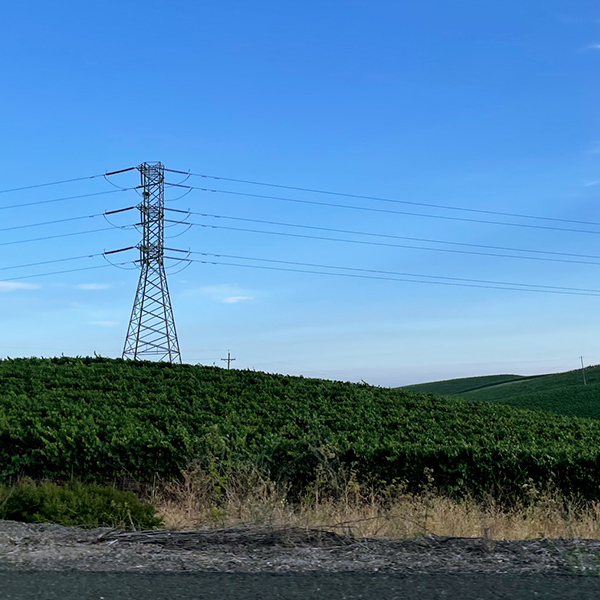
CAISO declared an EEA watch for a second straight day, citing “uncertainty” about energy supply and load forecasts, transmission constraints and high electricity demand in the Western U.S.
CAISO
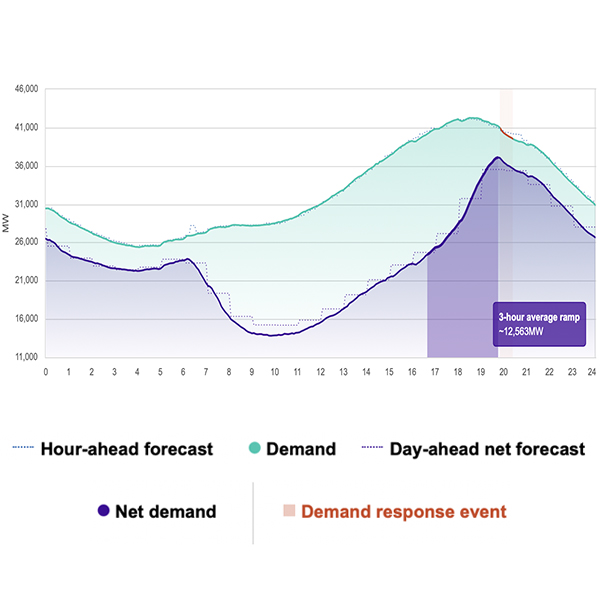
CAISO issued its first energy emergency alert of the summer after falling short on ramping capacity as solar output rolled off its system.
ERCOT
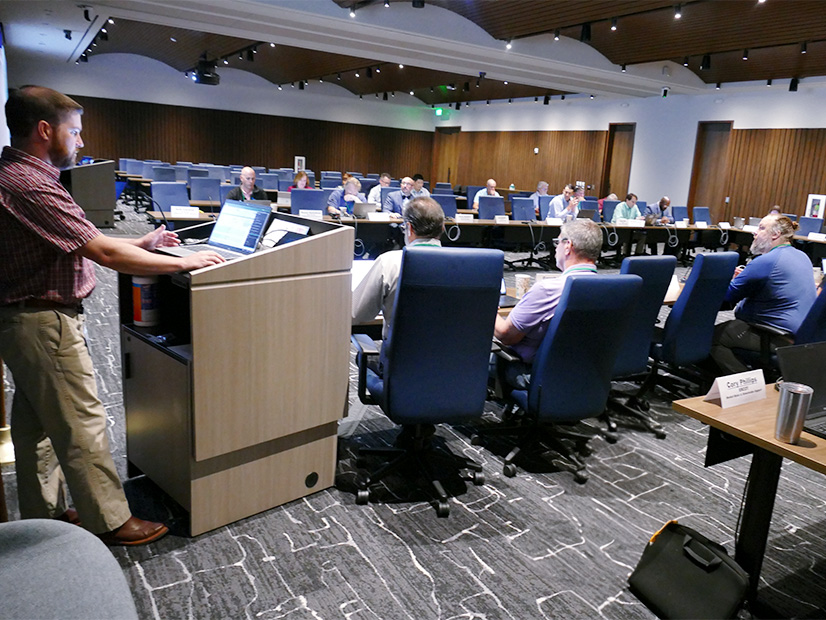
ERCOT's Independent Market Monitor’s annual market report recommends resurrecting a multi-interval, real-time design, among other things.
© RTO Insider LLC
ERCOT staff report designating 19 firm fuel supply service resources after the Legislature passed safeguard bill.
WECC
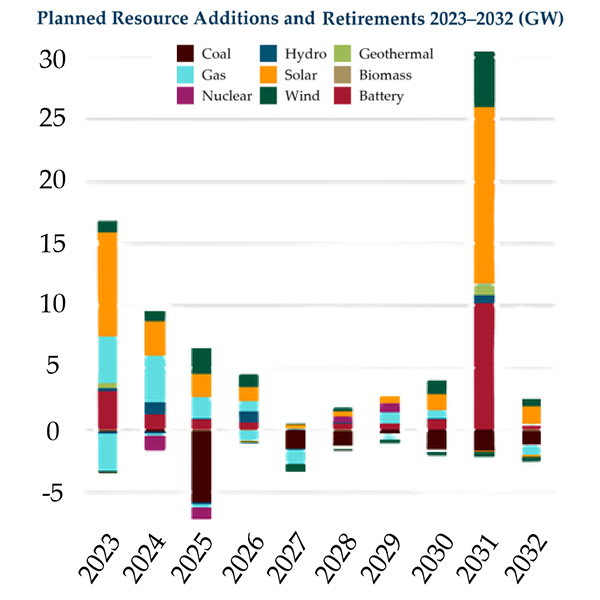
Among the topics covered by WECC’s State of the Interconnection report, one subject stands out: the impact of extreme natural events on the Western grid.
WECC
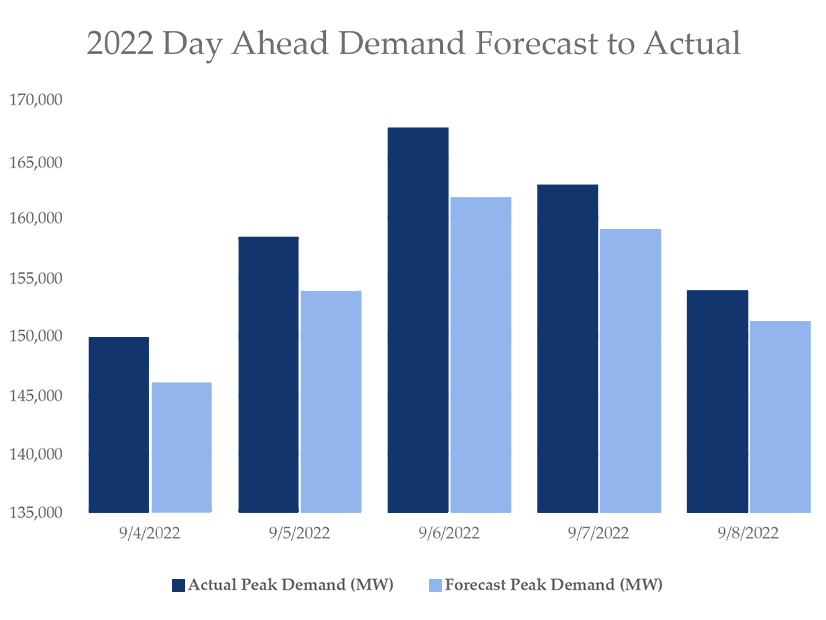
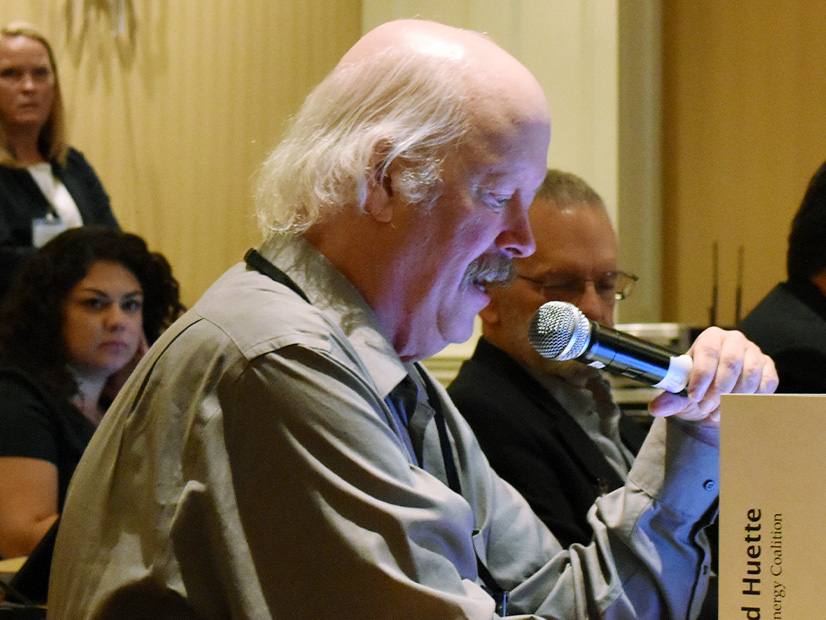
WECC directors said that Westerners should take cold comfort from the fact that grid operators were able to avert blackouts during a September heat wave.
© RTO Insider LLC
At its first in-person gathering since the onset the pandemic, WECC convened a forum to learn what keeps members up at night when they think of the future.
CAISO
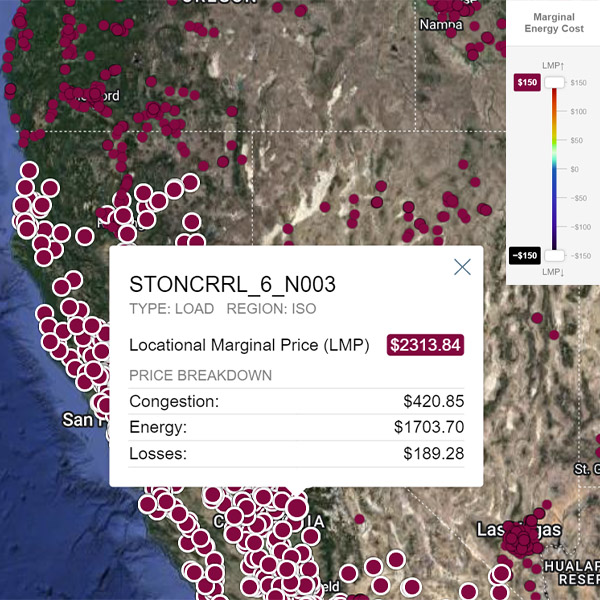
CAISO came dangerously close to ordering rotating outages Tuesdas demand hit a record high, but it managed to scrape by thanks to conservation efforts.
Want more? Advanced Search
