EV charging stations
Olympia - Lacey - Tumwater Visitor & Convention Bureau
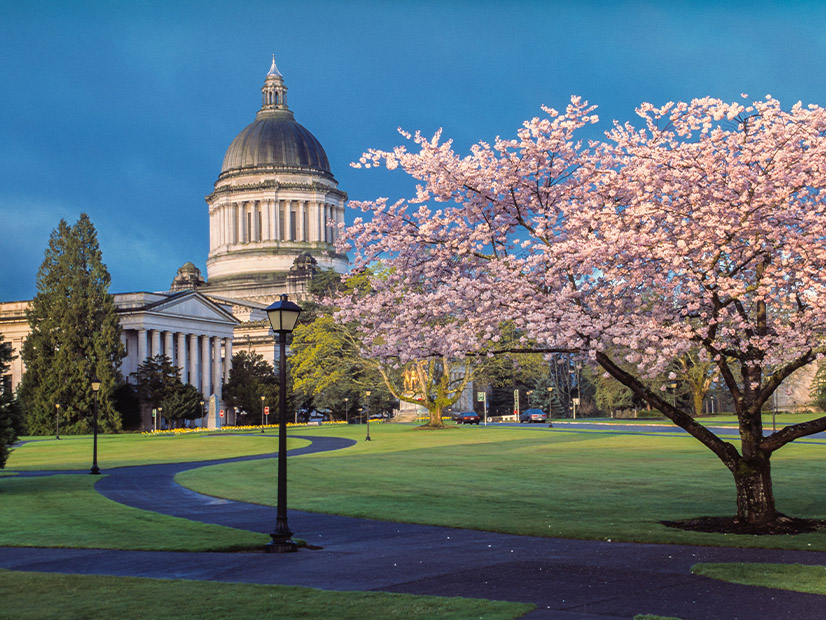
Washington officials agree with Gov. Jay Inslee's views that state agencies must speed up efforts to reduce their internal GHG emissions.
Shutterstock
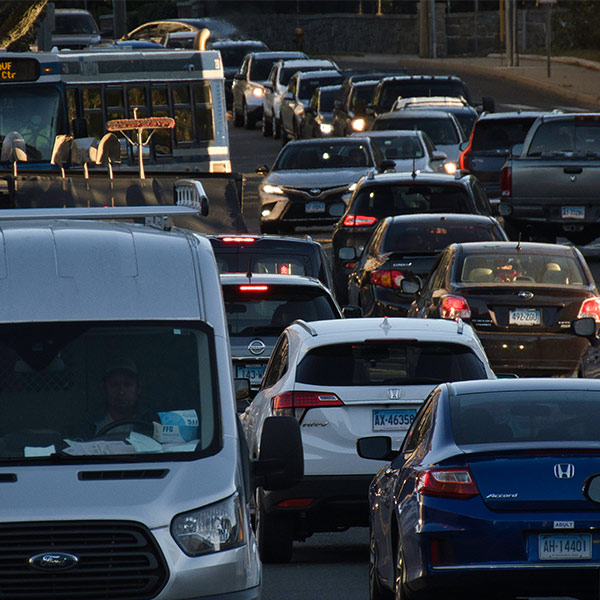
Gov. Ned Lamont said he would not pursue the TCI-P next year, arguing that rising gas prices make the enabling legislation “a pretty tough rock to push."
Shutterstock
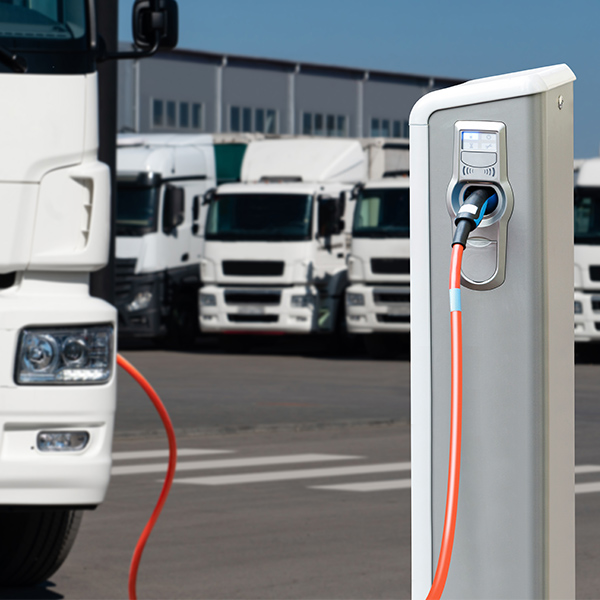
The California Energy Commission approved a $1.4 billion spending plan for zero-emission vehicles and re-upped funding for clean-energy projects.
PG&E
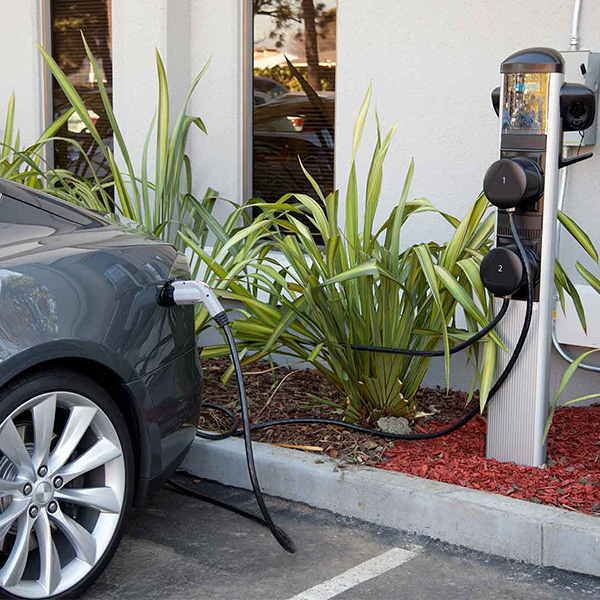
PG&E is proposing to build infrastructure for 16,000 EV charging ports at public locations, as well as sites convenient for apartment residents.
Electrify America
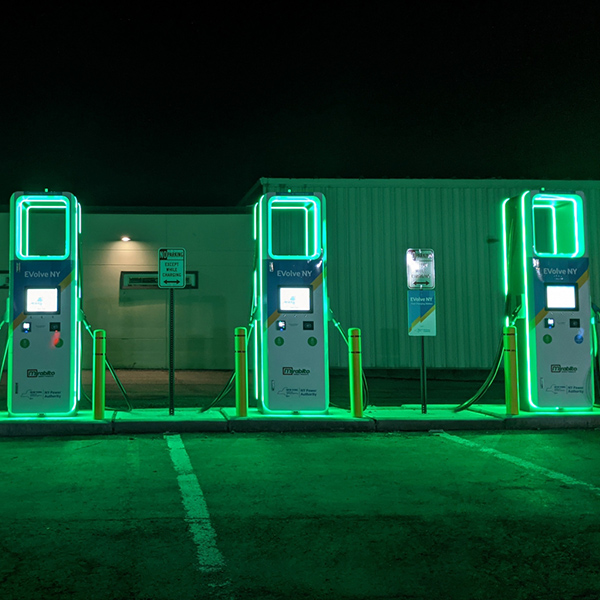
California needs a big scale-up to 1.2 million public EV chargers by 2030, but building charging infrastructure has been painfully slow, developers say.
LA Metro
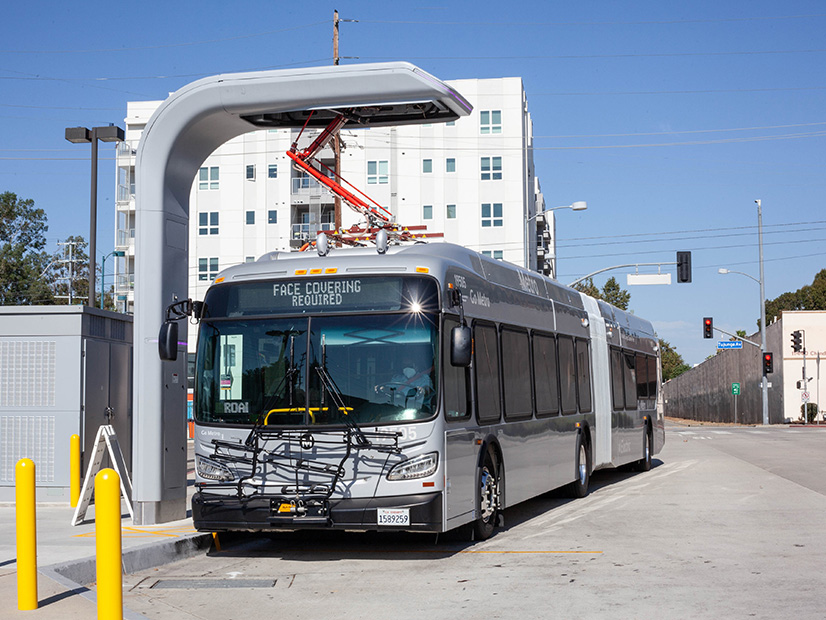
The California Energy Commission granted nearly $24 million to foster zero-emission transit buses, school buses and medium- and heavy-duty trucks.
National Center for Freight & Infrastructure Research & Education
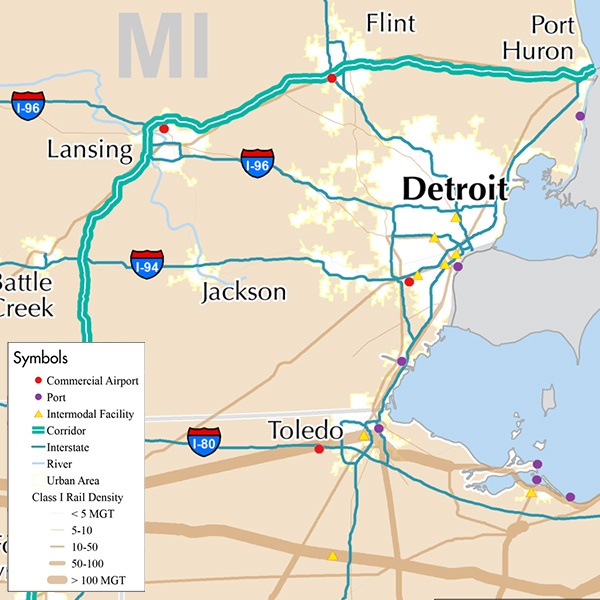
Michigan, Indiana, Illinois, Wisconsin and Minnesota will collaborate to speed electric vehicle adoption in the upper Midwest, focusing initially on trucks.
New Jersey Turnpike Authority
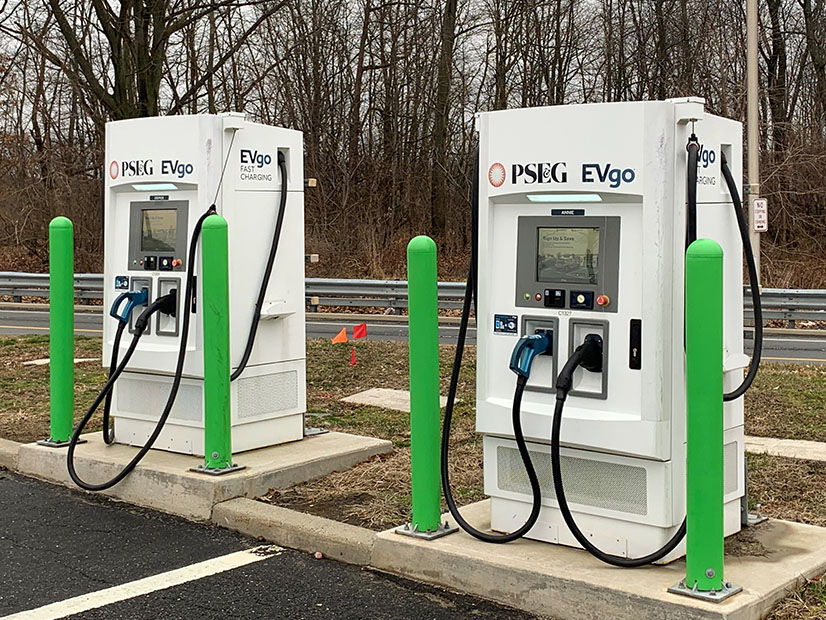
New Jersey is launching a $4 million campaign to promote the availability of electric vehicle chargers and tourism to popular state landmarks.
Travel Nevada
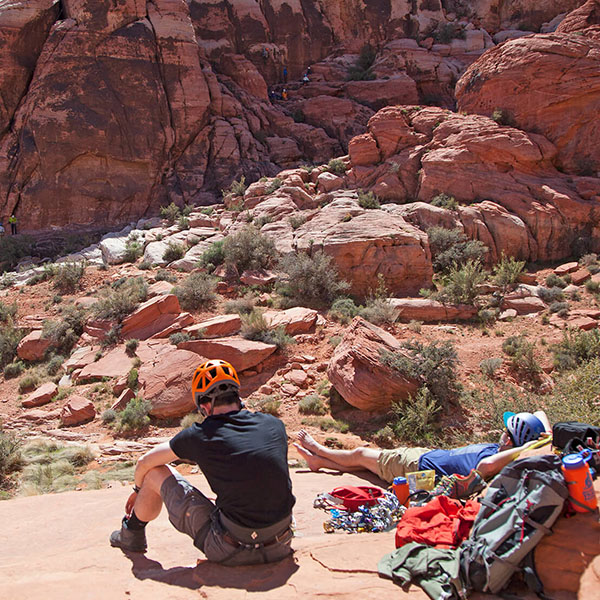
Visitors to Nevada would be able to recharge their electric vehicles at iconic destinations as part of a proposed transportation electrification plan.
BrightDrop
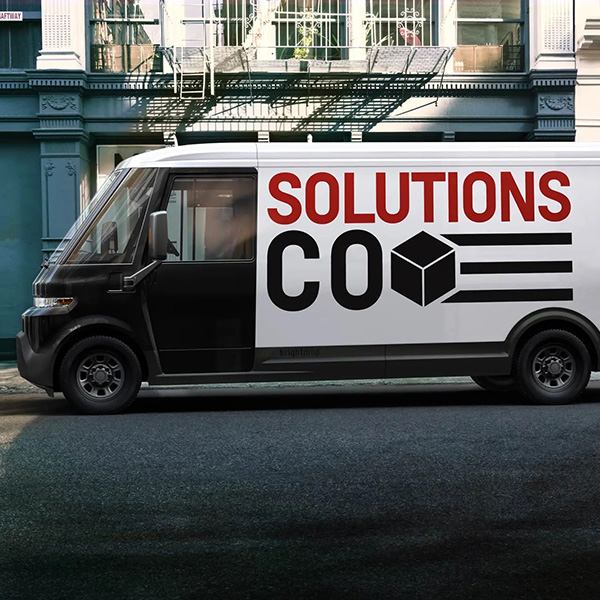
Electrification of U.S. trucking is going to happen whether or not Congress finds a way to help fund and expedite the transition.
Want more? Advanced Search