
EV charging
Nissan
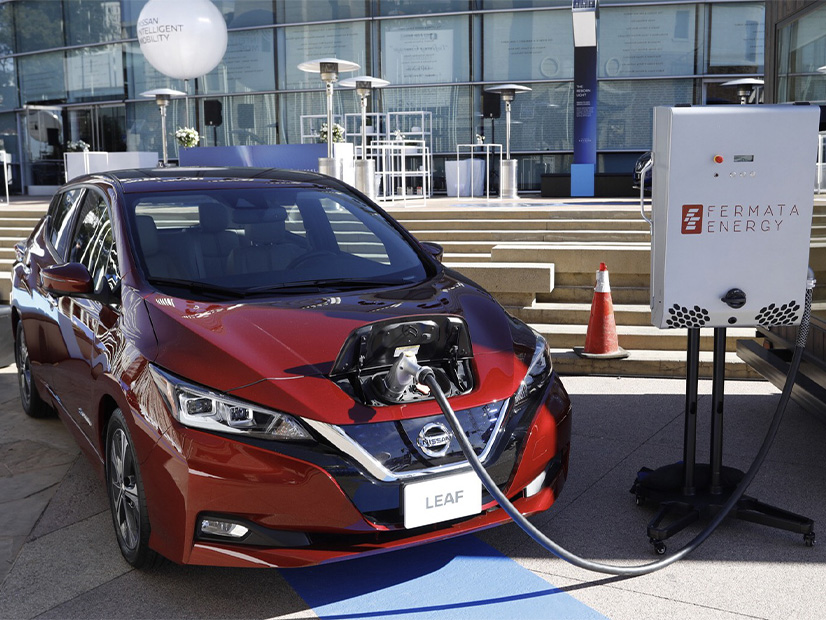
A bill that would require all zero-emission vehicles sold in California to have bidirectional charging capabilities by 2027 cleared a key Senate committee.
ESIG
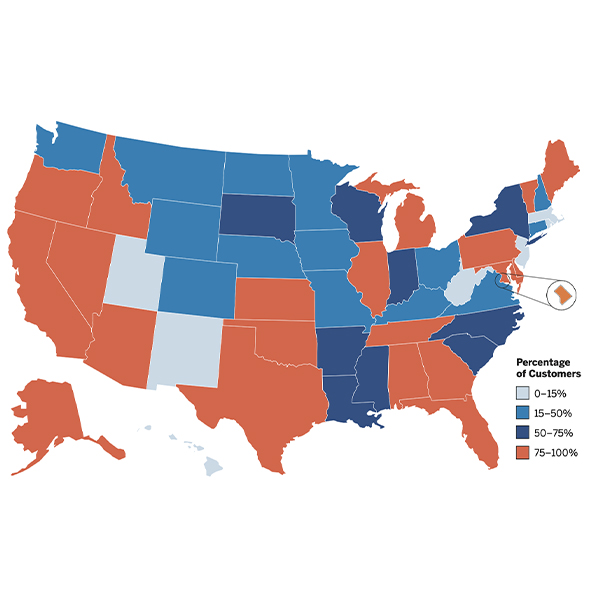
Price-responsive demand has long been supported by economists, but despite the significant investment in advanced meters, it has yet to take off.
EPA
EPA released proposed rules ramping up emissions requirements for cars and trucks, which are expected to drive electrification of the transportation sector.
Clark County, Nev. School Distri
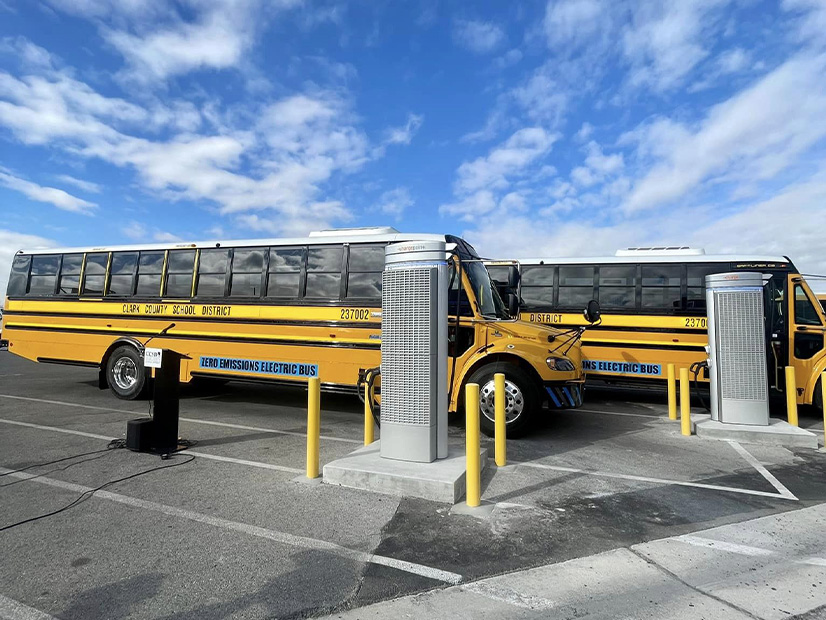
Nevada regulators gutted NV Energy’s proposed $348 million EV plan, slashing the budget to about $70 million and removing most of its proposed programs.
CARB
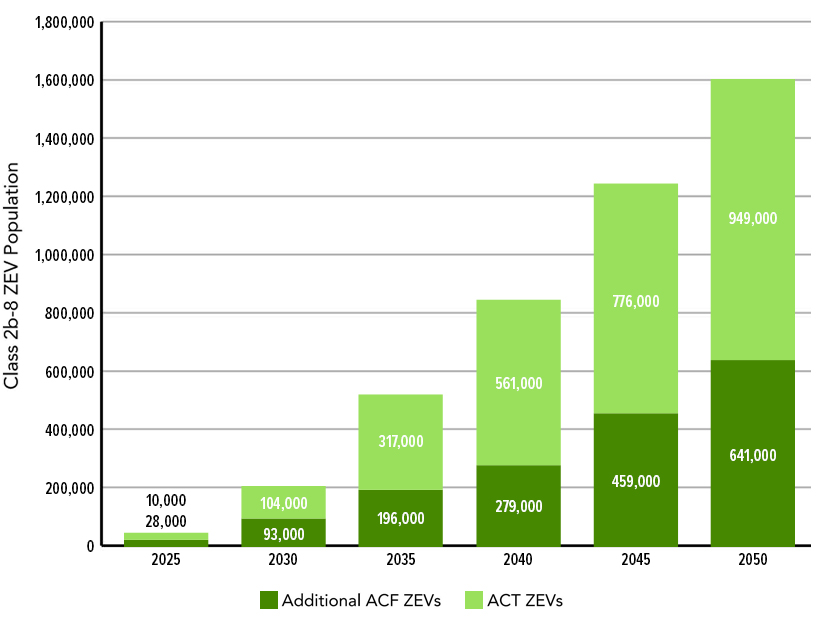
As it moves to adopt a rule requiring truck fleets to transition to ZEVs, CARB considers situations where supporting infrastructure is unavailable.
State of New Jersey
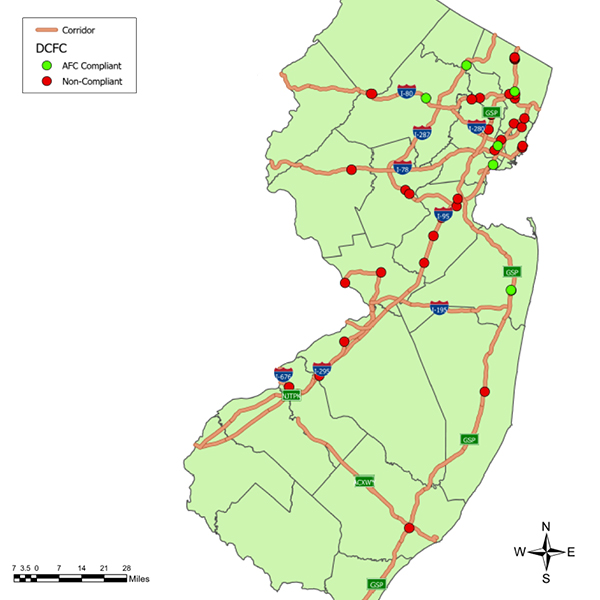
New Jersey’s plan for spending $104 million in funds from the National Electric Vehicle Infrastructure program faced a barrage of stakeholder questions.
National Grid
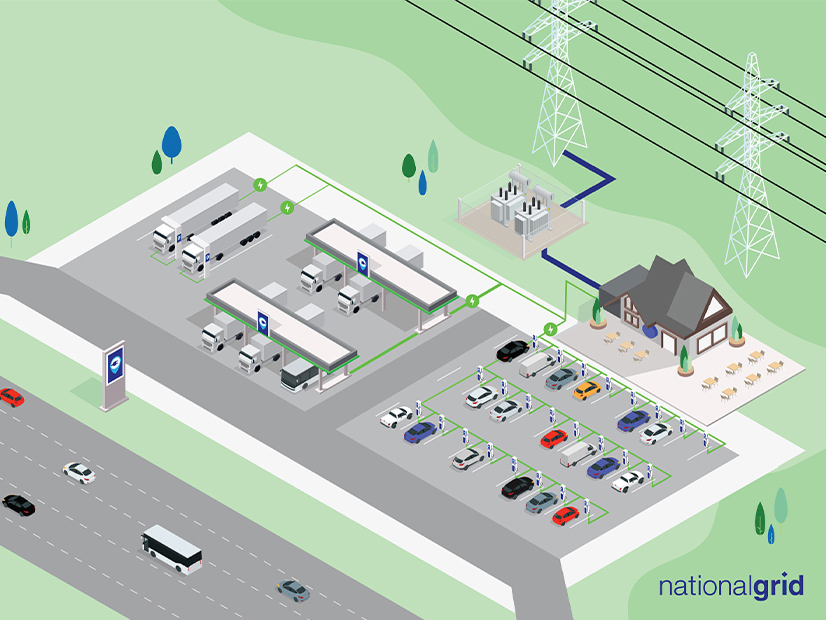
A new study by National Grid suggests that states and utilities must move swiftly to equip the grid to support the travel needs of electric vehicles.
Pa. Department of Transportation
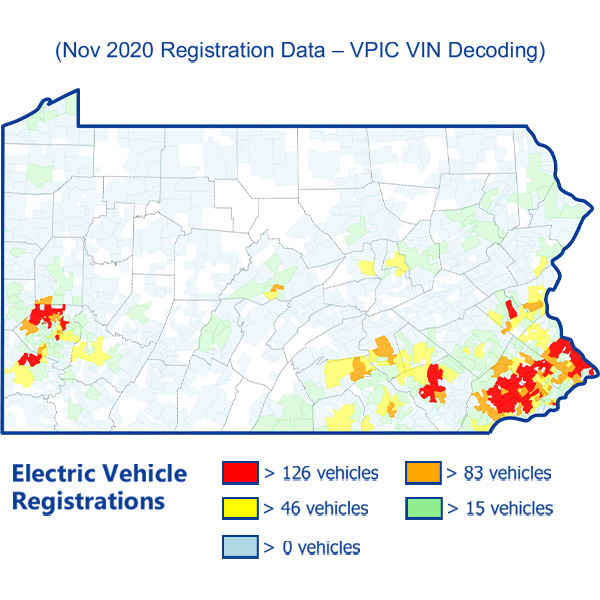
Pennsylvania regulators opened a rate design proceeding to encourage electric vehicle charging during off-peak hours.
CARB
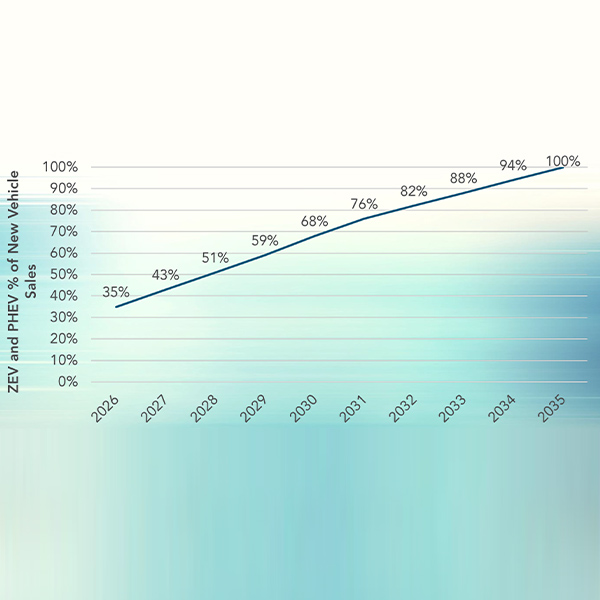
CARB adopted regulations that will require all new cars sold in the state to be zero-emission or plug-in hybrid by 2035, a trailblazing move, the agency says.
Shutterstock
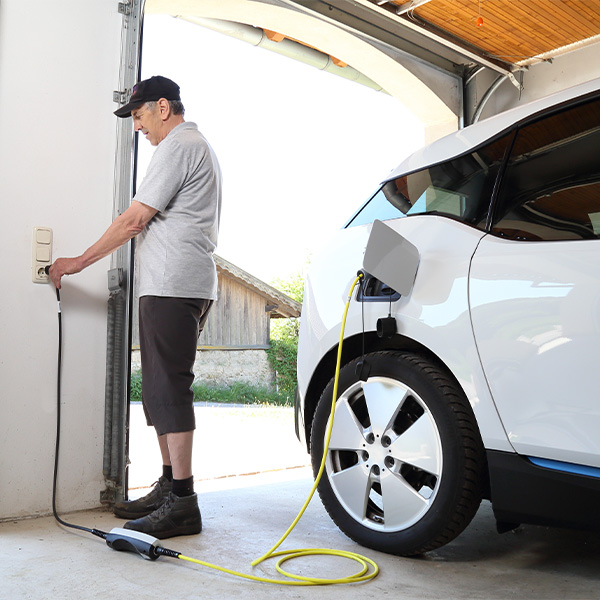
The California PUC adopted a submetering protocol to let EV owners be billed at lower rates for charging, the first such program in the nation.
Want more? Advanced Search
