Federal Energy Regulatory Commission (FERC)
The Federal Energy Regulatory Commission is an independent agency that regulates the interstate transmission of electricity, natural gas and oil; reviews proposals to build LNG terminals and interstate natural gas pipelines; and licenses hydropower projects. FERC also oversees operations of regional wholesale electricity and natural gas markets and oversees the reliability of the bulk electric system.
© RTO Insider LLC
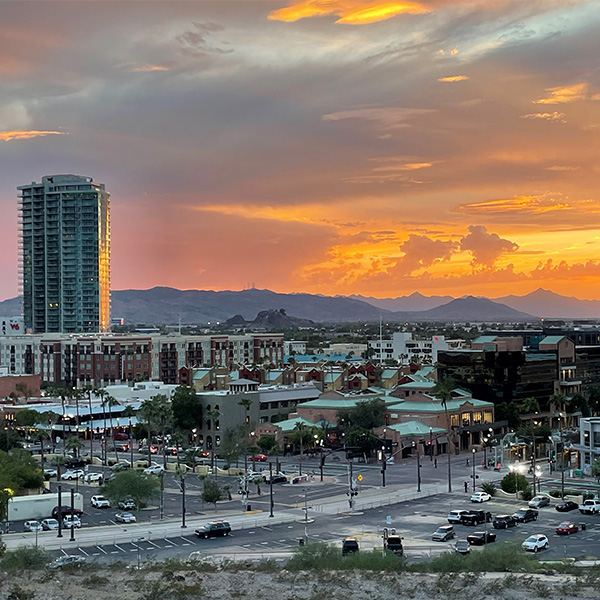
Commissioners Mark Christie and James Danly addressed the pros and cons of the West’s pursuit of greater market coordination at the fall CREPC-WIRAB meeting.
Kentucky Power
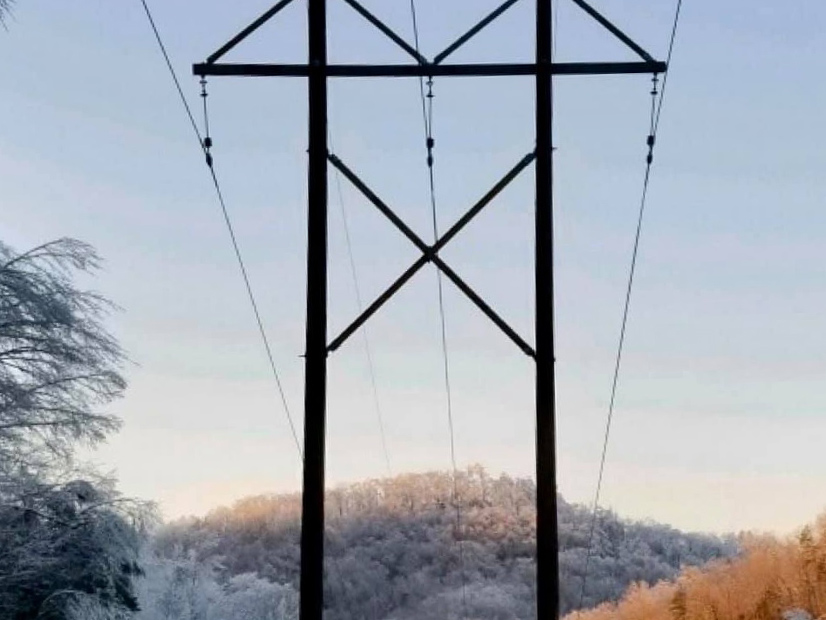
AEP and Liberty Utilities have struck an amended sale agreement that cuts the price of AEP Kentucky operations by $200 million and extends the deal's timeline.
© RTO Insider LLC
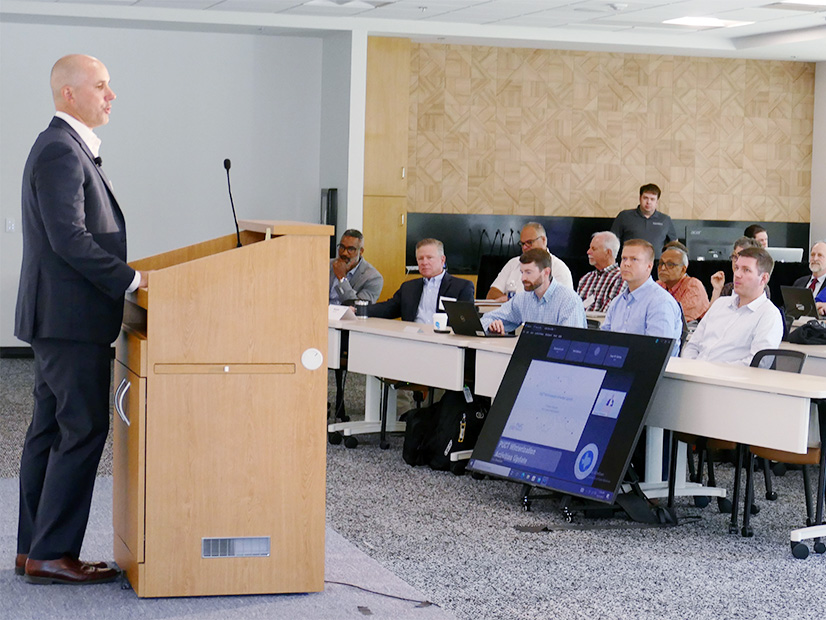
ERCOT staff and regulators agreed that the electricity and gas industries are adding weatherization standards to address the 2021 severe winter storm.
© RTO Insider LLC
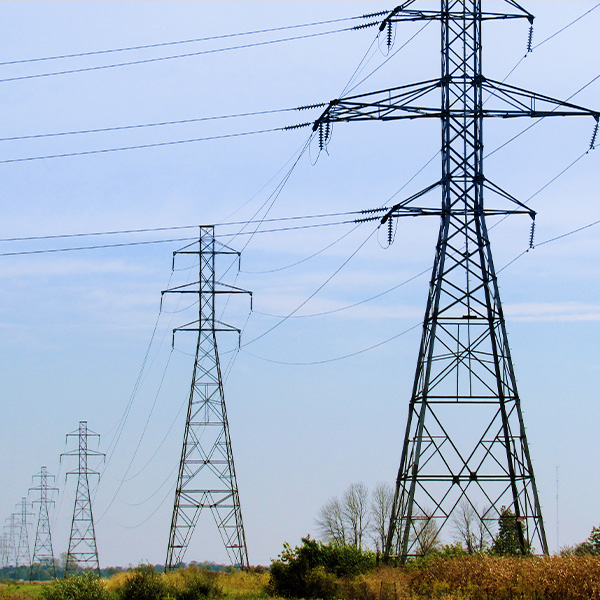
ISO-NE repeated a familiar refrain in its initial take on FERC’s interconnection NOPR: give us flexibility and make sure our region’s needs can be met.
NYISO
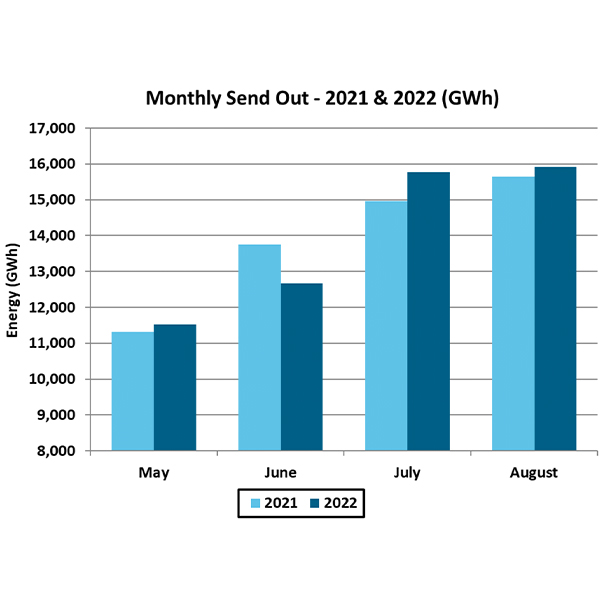
NYISO presented its proposed comments to a FERC rulemaking on interconnection queues, summer temperatures and results for solar units part of the 2022-01 EDS.
Advanced Power
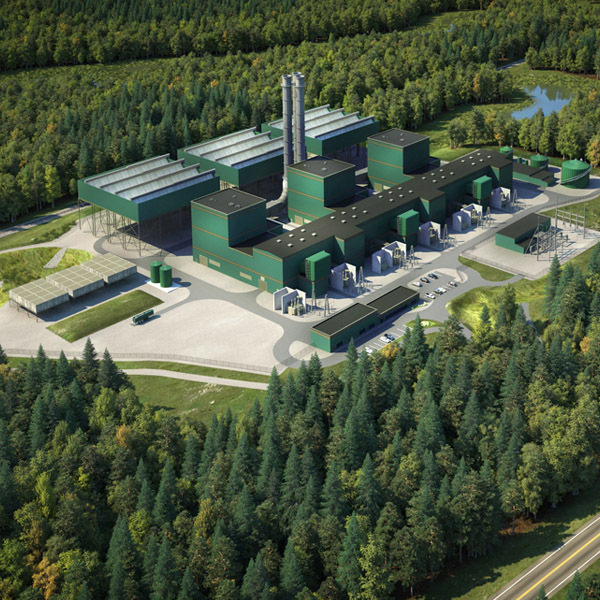
FERC denied a request to impose a capacity price floor on subsidized resources in NYISO, reiterating its support for narrower buyer-side mitigation rules.
Western Area Power Administration
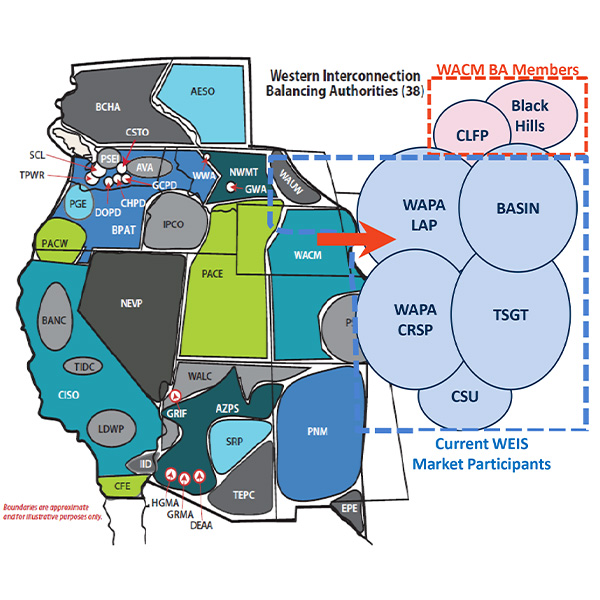
FERC revoked Tri-State's market-based rate authority in the Western Area Power Administration's Colorado-Missouri balancing authority area.
Sen. Joe Manchin's office
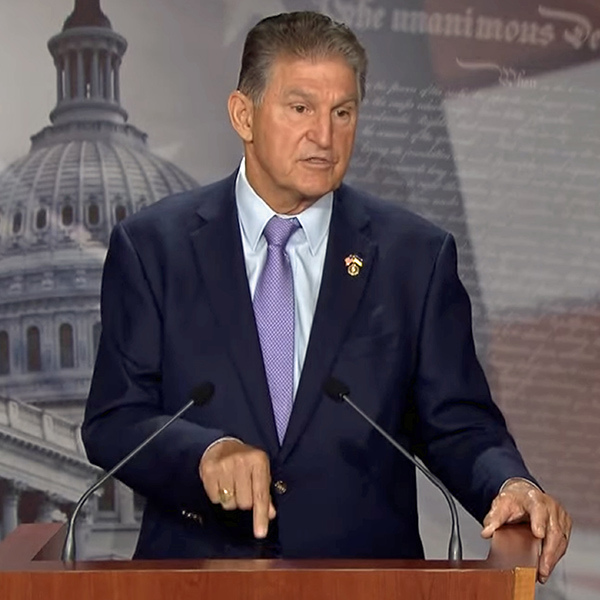
Sen. Joe Manchin revealed the text of a much awaited proposal to streamline the permitting process for electric transmission and natural gas pipeline projects.
FERC
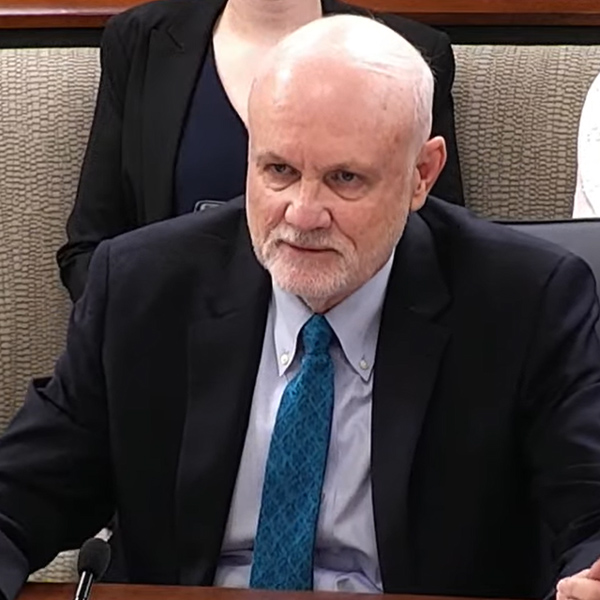
FERC reluctantly proposed a 200-basis point incentive for utilities that make voluntary cybersecurity investments, an initiative directed by Congress.

Institute for Policy Integrity
FERC's Willie Phillips joined the Institute for Policy Integrity to discuss a shifting U.S. energy landscape and how FERC is aiding the clean power transition.
Want more? Advanced Search