Federal Energy Regulatory Commission (FERC)
The Federal Energy Regulatory Commission is an independent agency that regulates the interstate transmission of electricity, natural gas and oil; reviews proposals to build LNG terminals and interstate natural gas pipelines; and licenses hydropower projects. FERC also oversees operations of regional wholesale electricity and natural gas markets and oversees the reliability of the bulk electric system.
Matthew T. Rader, CC BY-SA 4.0, via Wikimedia Commons
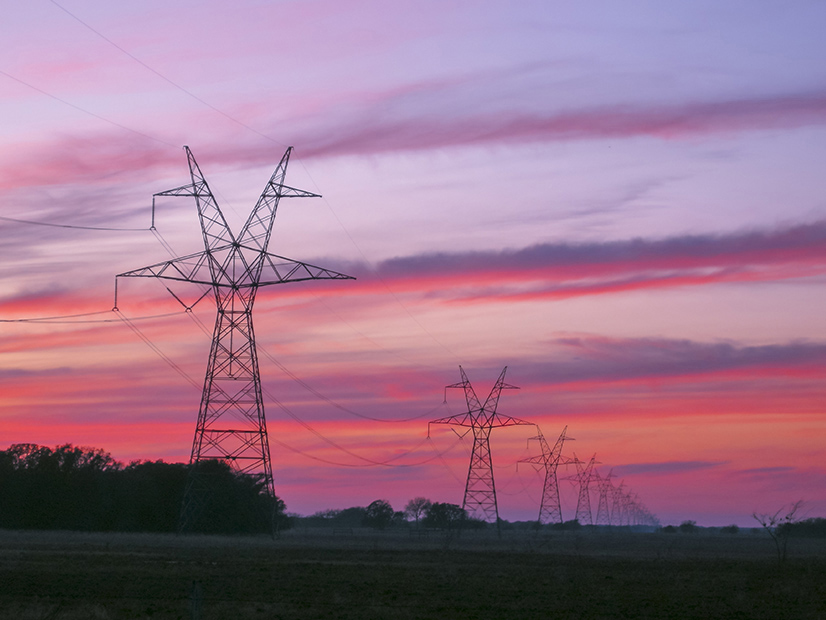
FERC approved Texas RE's settlement with AEP over communication failures during a 2018 load loss incident.
Pattern Energy
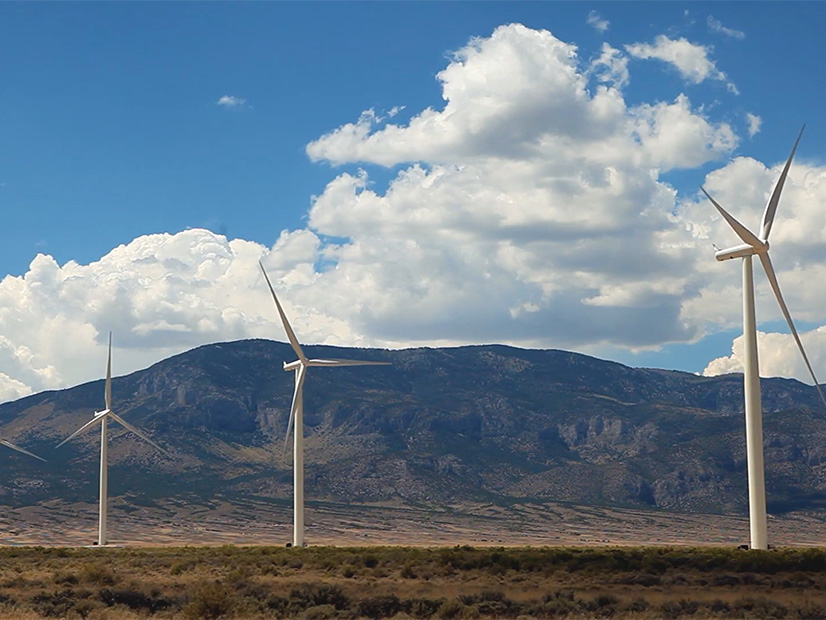
FERC has approved MISO's and SPP’s plan to assign a new prioritization of projects in their respective interconnection queues for study purposes.
Vistra
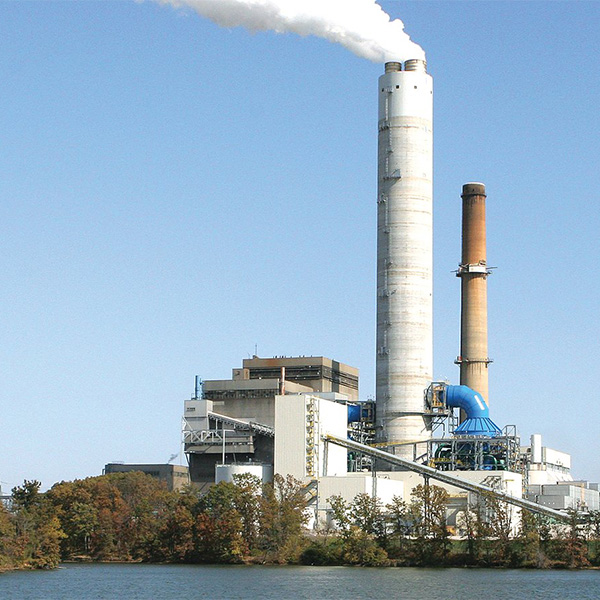
MISO transmission customers argued to FERC that MISO should allow customers to decrement their load penalty-free to lessen the possibility of summer blackouts.
© RTO Insider LLC
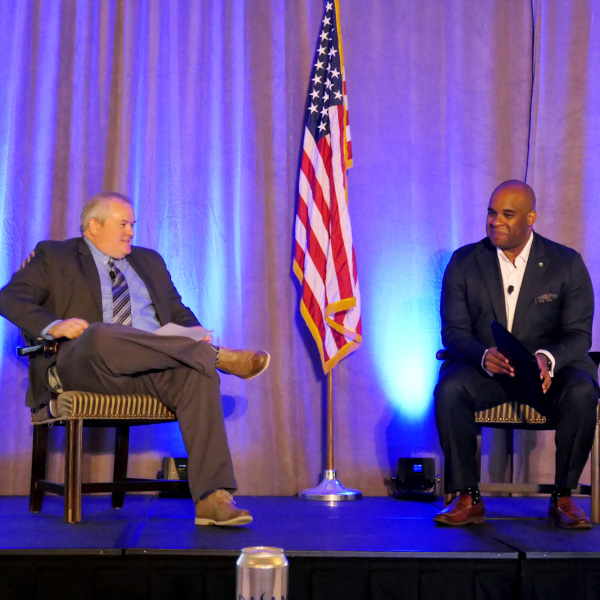
FERC's transmission NOPR will provide a "positive framework" said Eversource's Bill Quinlan.
MISO
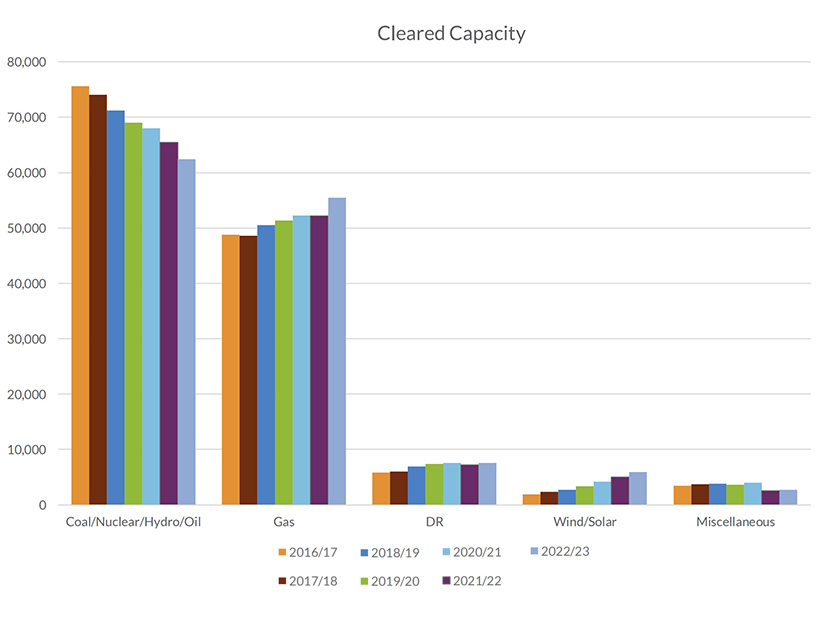
MISO’s capacity auction shortfall has nearly doubled its probability of load shedding in its Midwest region, prompting discussion of must-offer requirements.
Matthew T. Rader, CC BY-SA 4.0, via Wikimedia Commons
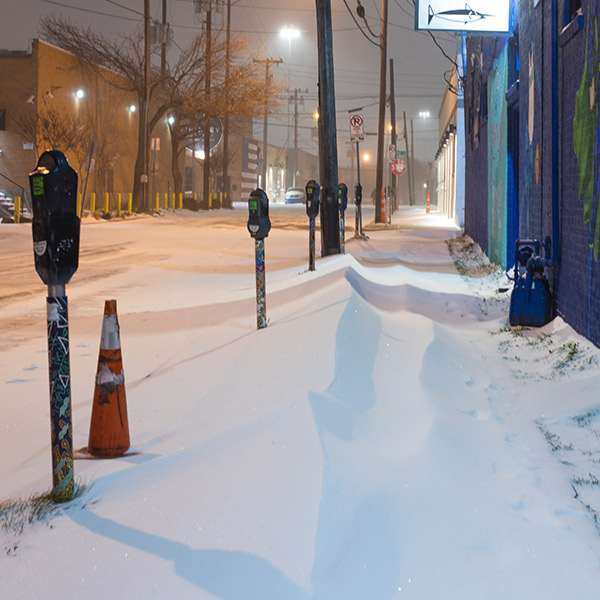
The team developing NERC's cold weather standards provided a preview of the new requirements in an industry webinar.
© RTO Insider LLC
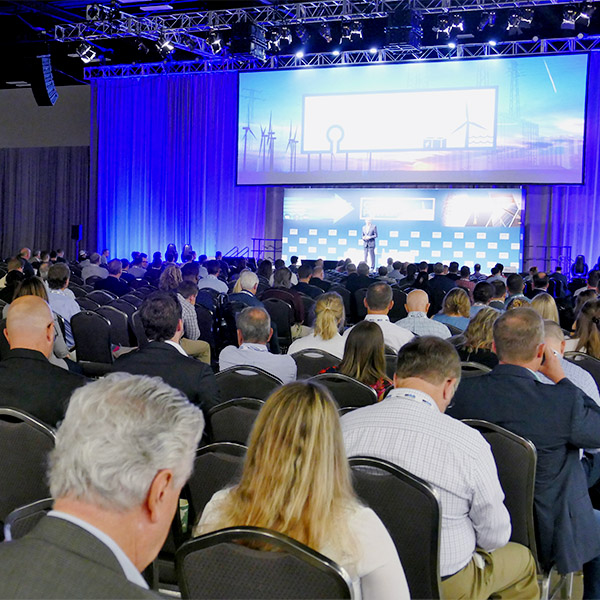
CLEANPOWER 2022 drew more than 7,000 attendees to San Antonio last week to discuss the clean power industry's challenges in the years to come.
Shutterstock
The NYISO Business Issues Committee approved revisions to the Ancillary Services Manual and ICAP Manual, and discussed FERC's approval of its BSM rules.
© RTO Insider LLC
FERC ordered show-cause proceedings on the transmission formula rate protocols of four utilities in SPP.
© RTO Insider LLC
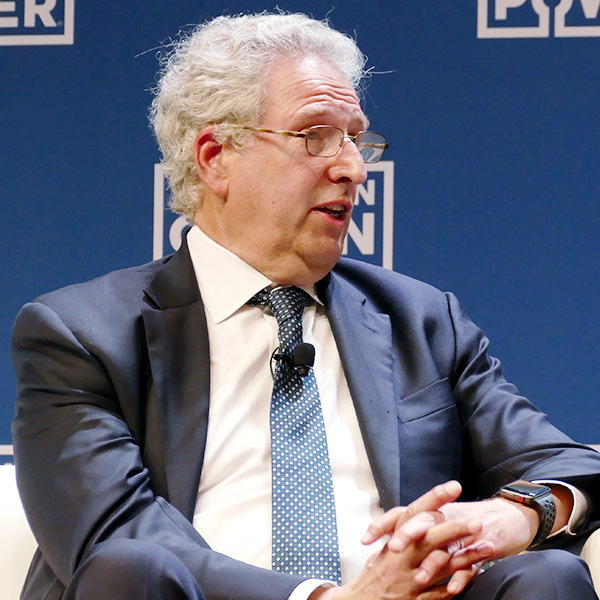
President Biden said he will nominate FERC Chair Richard Glick for another five-year term. If confirmed, Glick could be on the commission well into 2027.
Want more? Advanced Search