Federal Energy Regulatory Commission (FERC)
The Federal Energy Regulatory Commission is an independent agency that regulates the interstate transmission of electricity, natural gas and oil; reviews proposals to build LNG terminals and interstate natural gas pipelines; and licenses hydropower projects. FERC also oversees operations of regional wholesale electricity and natural gas markets and oversees the reliability of the bulk electric system.
© RTO Insider LLC
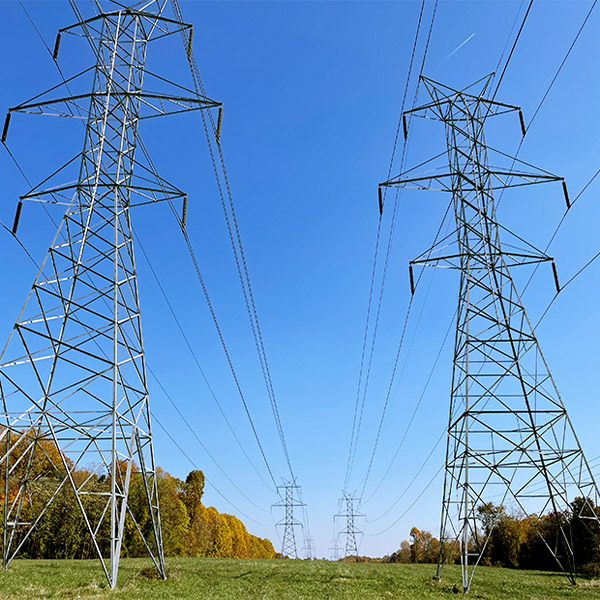
The second half of the third meeting of FERC and NARUC's Joint Task Force on Electric Transmission focused on cost allocation for network upgrades.
Pattern Energy
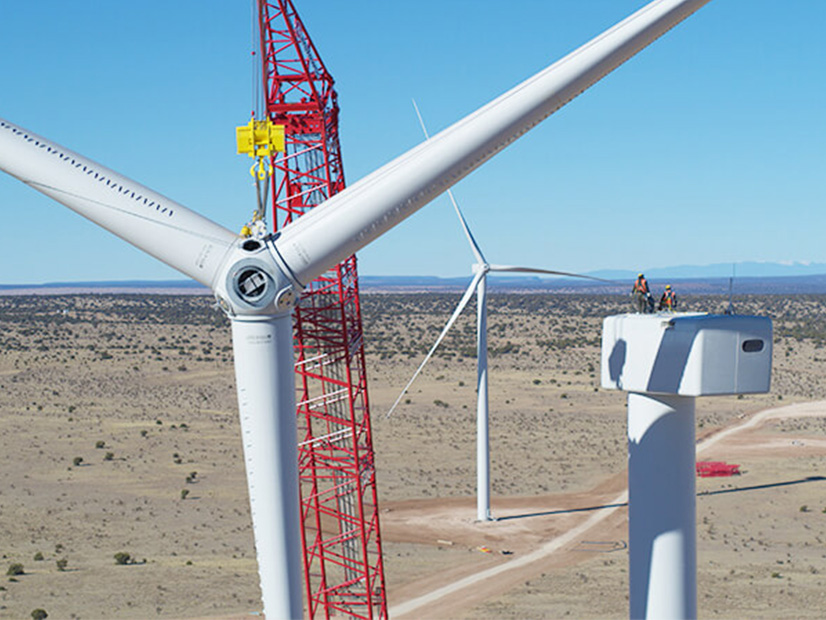
Expansion of the transmission grid to accommodate decarbonization will require humility from developers and support by states, speakers told an AEE webinar.
© RTO Insider LLC
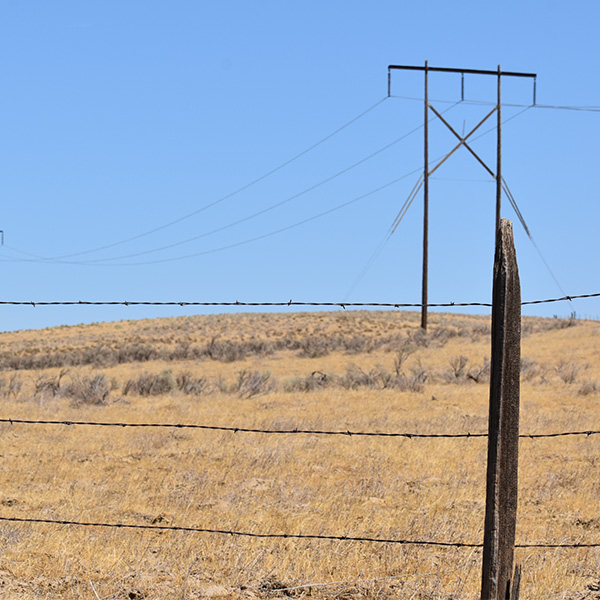
The Western EIM took on BPA and Tucson Electric Power as new participants, marking the market’s largest single expansion since its founding.
© RTO Insider LLC
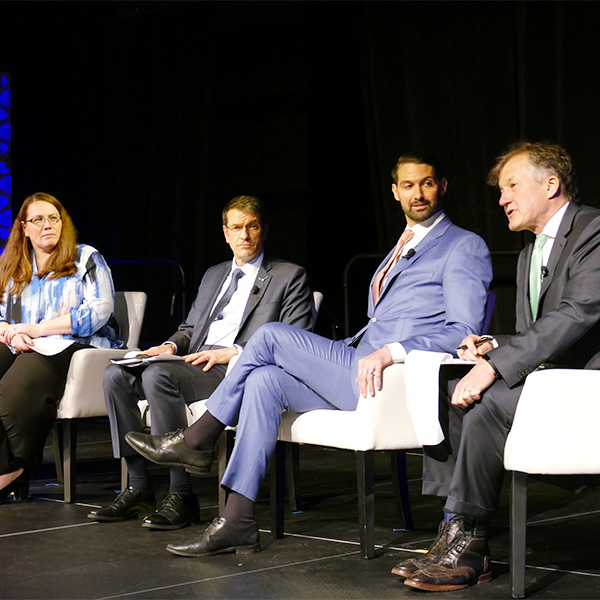
As the U.S. offshore wind industry prepares to put steel in the water, it is paying increasing attention to how it will deliver its power to load centers.
Alan Stark, CC BY-SA 2.0, via Wikimedia Commons
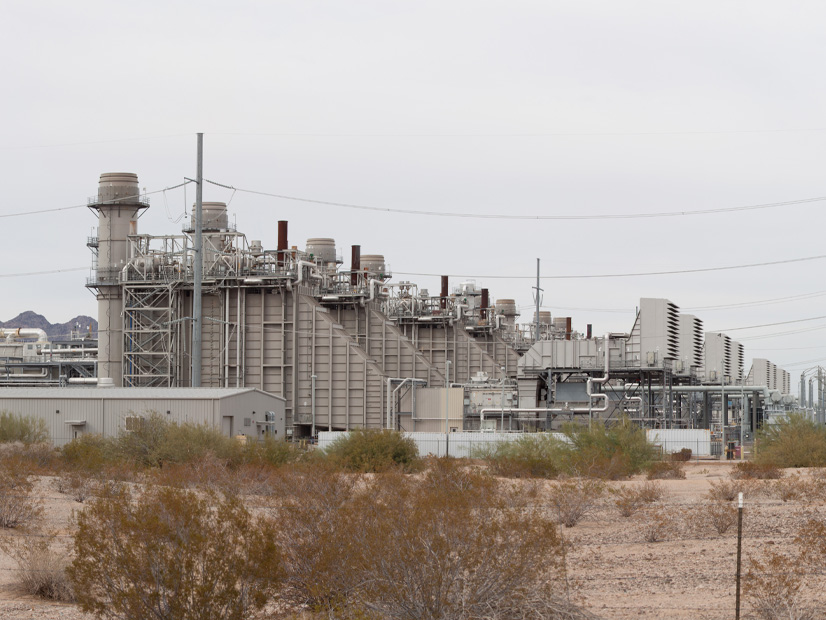
FERC approved a slate of penalties against an electric utility, an RTO and a government agency for violations of NERC reliability standards.
PJM
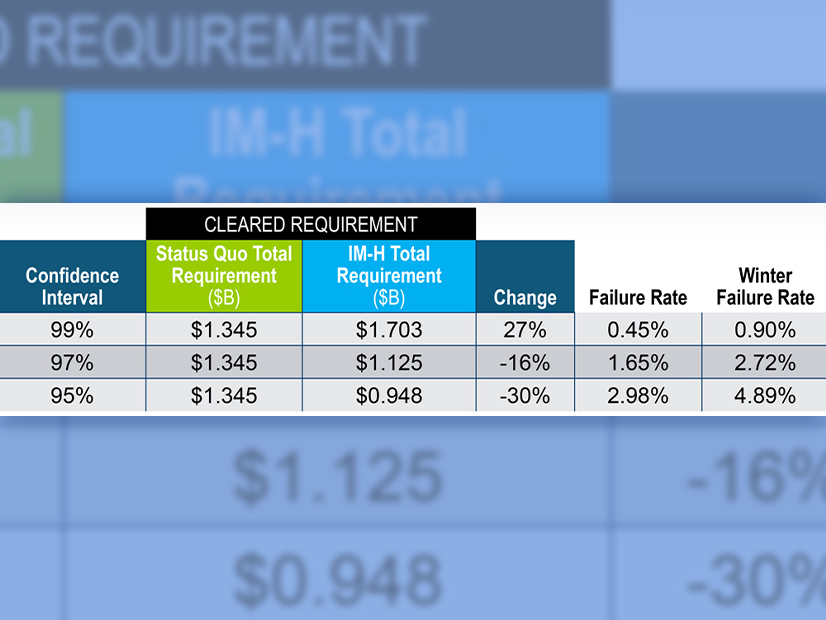
FERC denied PJM’s rehearing request of its rejected FTR credit requirement calculation, but it said it would address the RTO’s arguments in a future order.
© RTO Insider LLC
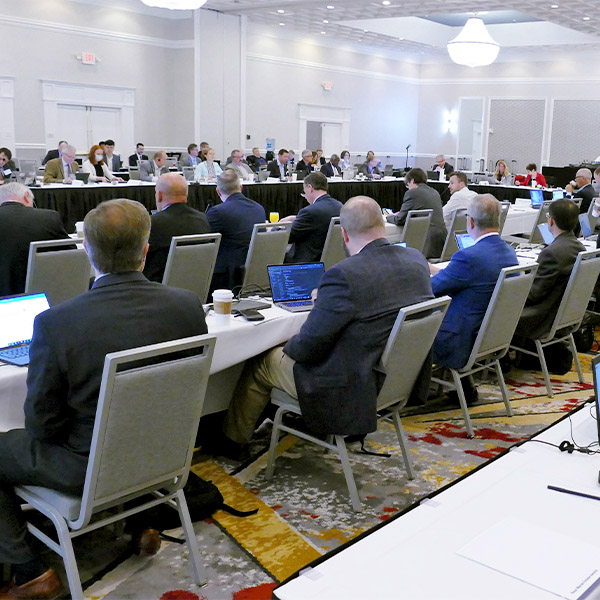
SPP’s Board of Directors approved the RTO’s fourth competitive transmission project, awarding a $55 million, 345-kV facility to NextEra Energy Transmission.
SOO Green
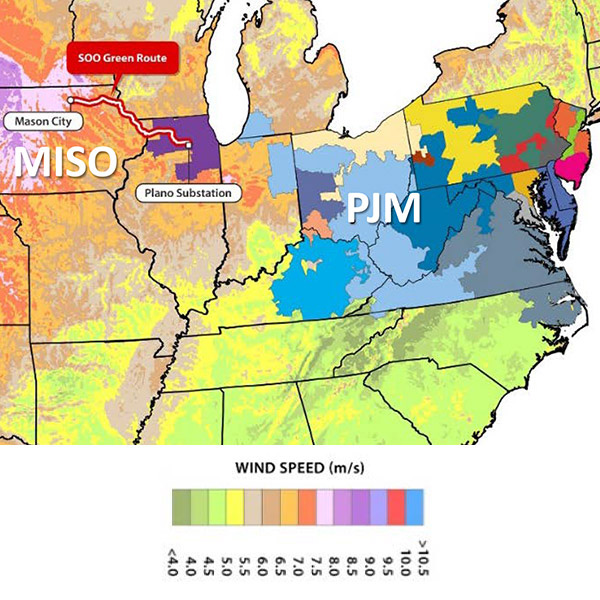
FERC rejected a transmission owner self-funding option for HVDC projects in a decision that could save millions for developers like SOO Green.
AES Indiana
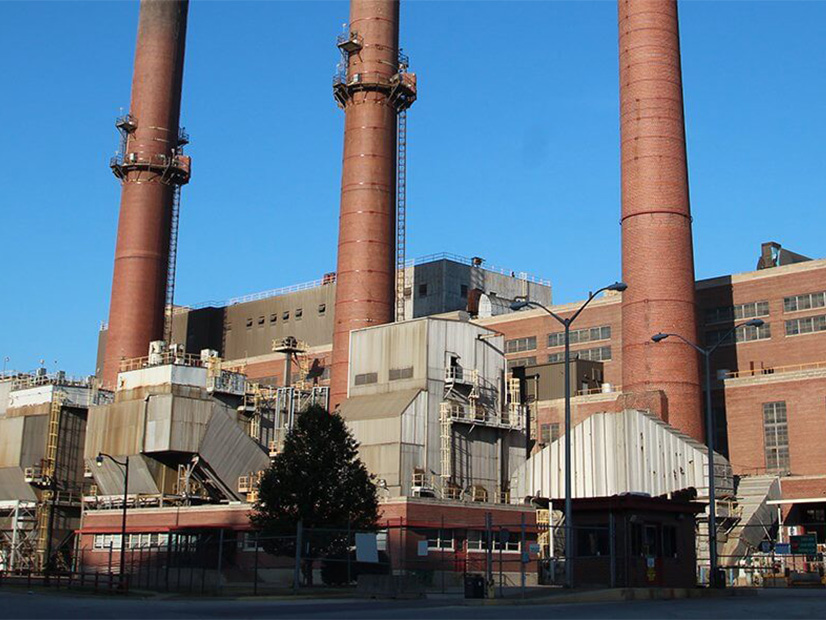
Faced with a capacity supply shortage in 2022/23, MISO is considering broadening its generator retirement studies to consider resource adequacy.
U.S. Department of Agriculture
PJM stakeholders overwhelmingly endorsed the RTO’s proposal for a new interconnection queue process after several hours of debate.
Want more? Advanced Search