Federal Energy Regulatory Commission (FERC)
The Federal Energy Regulatory Commission is an independent agency that regulates the interstate transmission of electricity, natural gas and oil; reviews proposals to build LNG terminals and interstate natural gas pipelines; and licenses hydropower projects. FERC also oversees operations of regional wholesale electricity and natural gas markets and oversees the reliability of the bulk electric system.
ISO-NE
ISO-NE requested that FERC dismiss a complaint by renewable energy groups alleging that its rules don’t adequately take into account the uncertainty of gas.
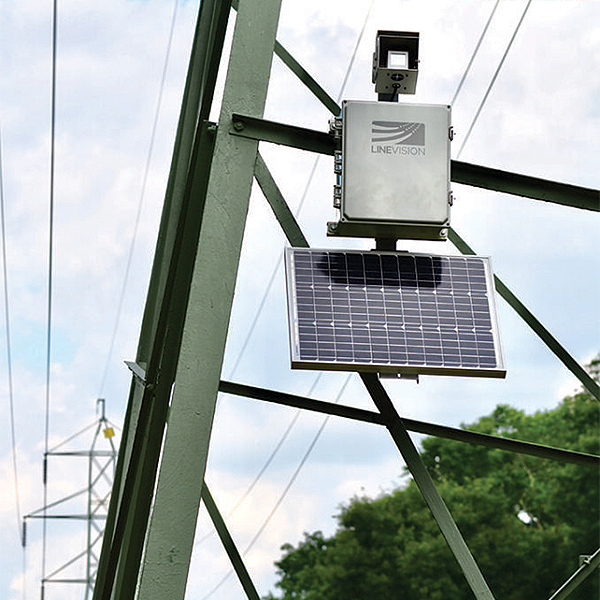
PJM's Operating Committee approved a recommendation to evaluate the need to procure additional reliability-based generation as intermittent resources are added.
© RTO Insider LLC
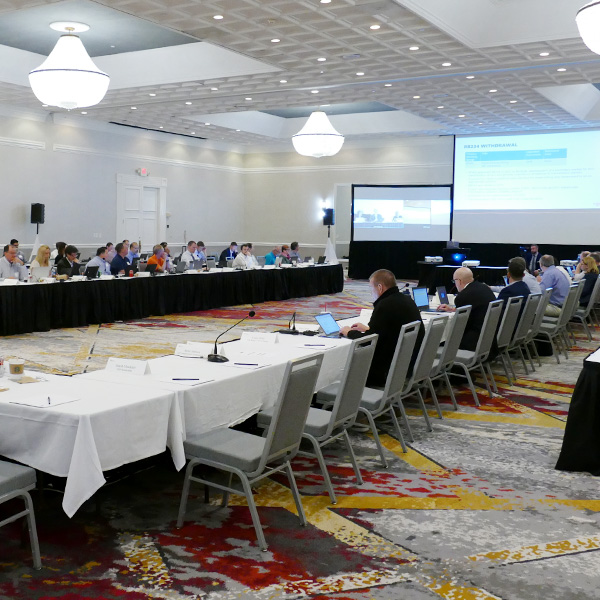
SPP stakeholders have rejected a recommendation to stick with the status quo when it comes to adding counterflow optimization to the congestion-hedging process.
Ørsted, PSEG
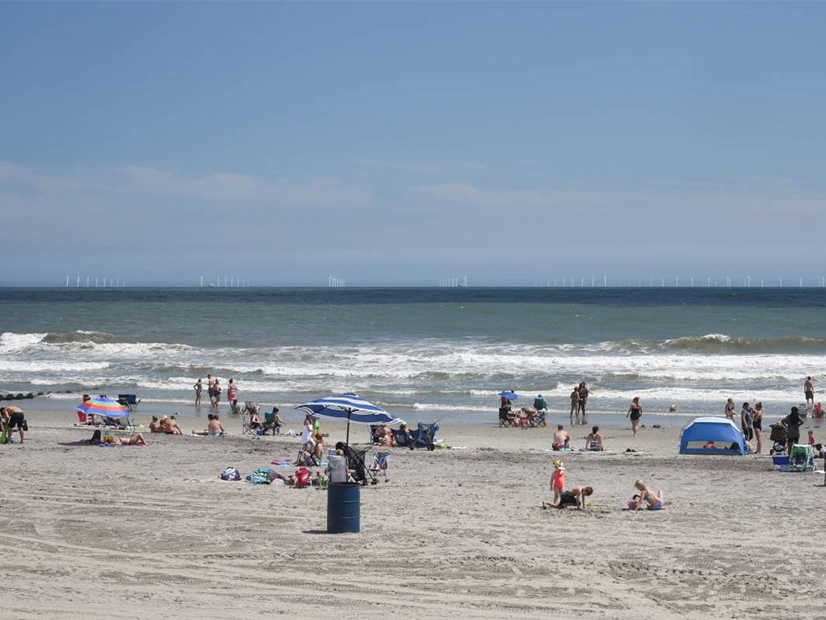
FERC approved the SAA sought by the New Jersey BPU and PJM that gives them greenlight to build transmission to deliver 7.5 GW of planned offshore wind.
MISO, SPP
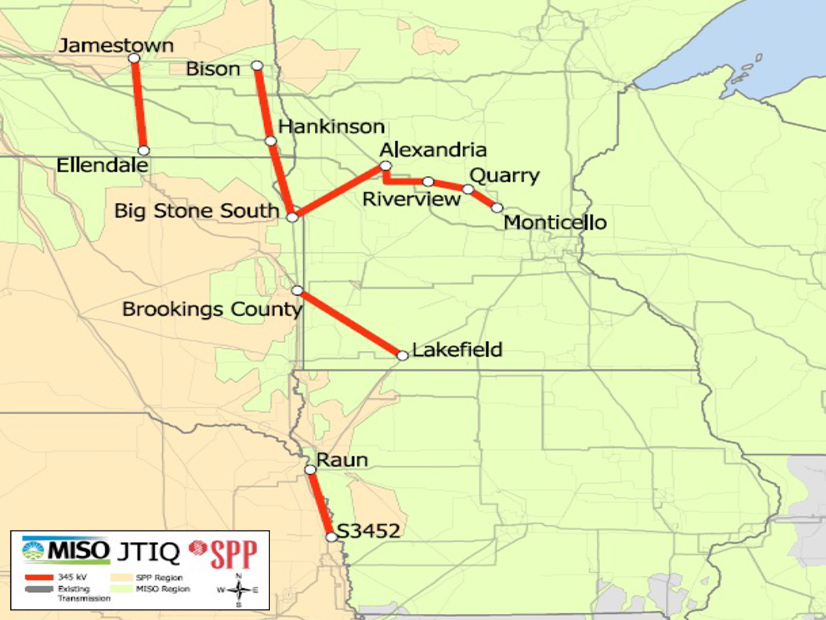
SPP and MISO began gathering feedback on ways they can pass the hat for seven joint transmission projects that could enable almost 29 GW of new generation.

Shutterstock
SERC identified three themes underlying the majority of violations relating to NERC's facility ratings standards in a report.
Shutterstock
FERC dismissed 14 requests for rehearing of its revised policy statement on natural gas infrastructure and its interim policy on accounting for GHG emissions.
Rise Light & New Jersey BPU
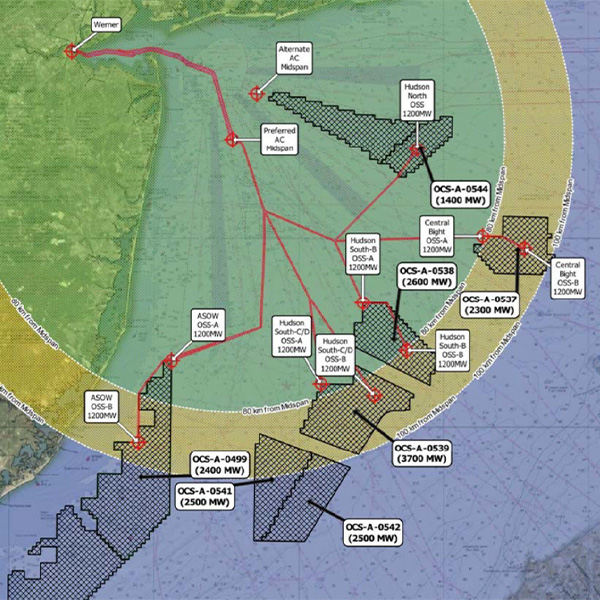
The cost to New Jersey ratepayers of building transmission infrastructure tying the state’s offshore wind projects to the grid could be cut.
EIA
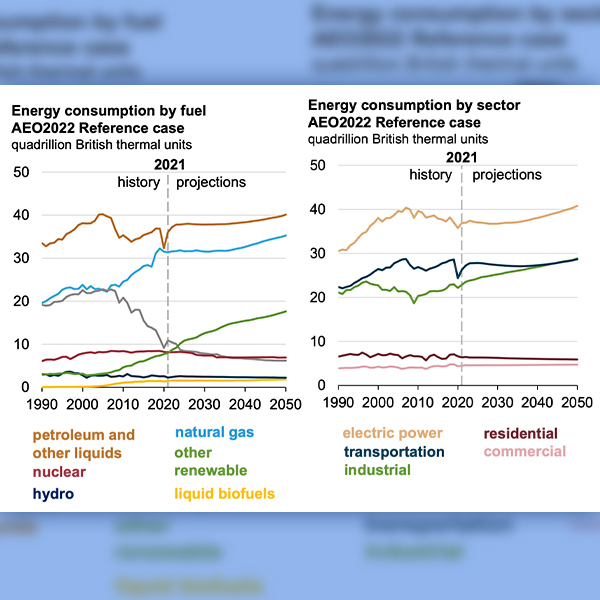
The decades-long move to competitive wholesale and retail electric markets still stirs controversy, but the benefits sway attitudes, former regulators say.
NERC
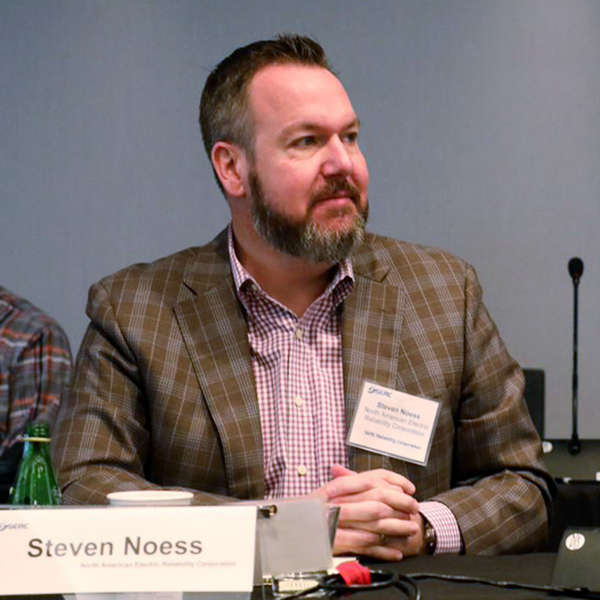
Steven Noess, NERC's director of regulatory programs, will join WECC as its new vice president of reliability and security oversight.
Want more? Advanced Search