Federal Energy Regulatory Commission (FERC)
The Federal Energy Regulatory Commission is an independent agency that regulates the interstate transmission of electricity, natural gas and oil; reviews proposals to build LNG terminals and interstate natural gas pipelines; and licenses hydropower projects. FERC also oversees operations of regional wholesale electricity and natural gas markets and oversees the reliability of the bulk electric system.

Vineyard Wind
ISO-NE's march to eliminating its minimum offer price rule (MOPR) continued with a vote in the NEPOOL Markets Committee.
TVA
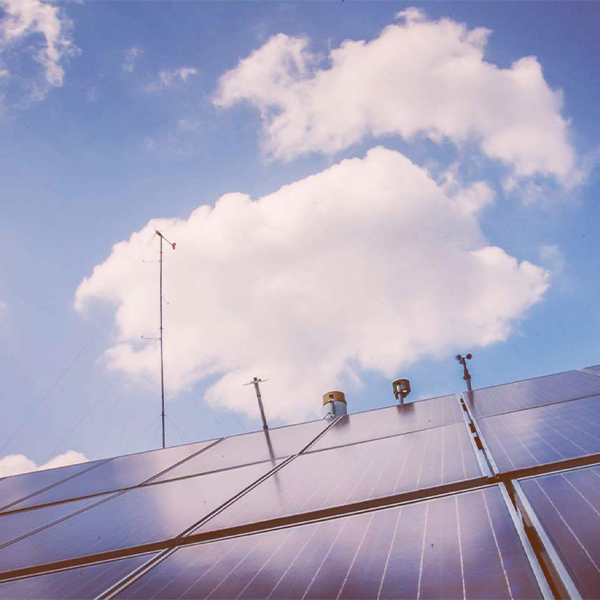
SACE is renewing criticisms that TVA’s upcoming participation in SEEM will stifle renewable resource buildout and shut out more cost-efficient options.
Shutterstock
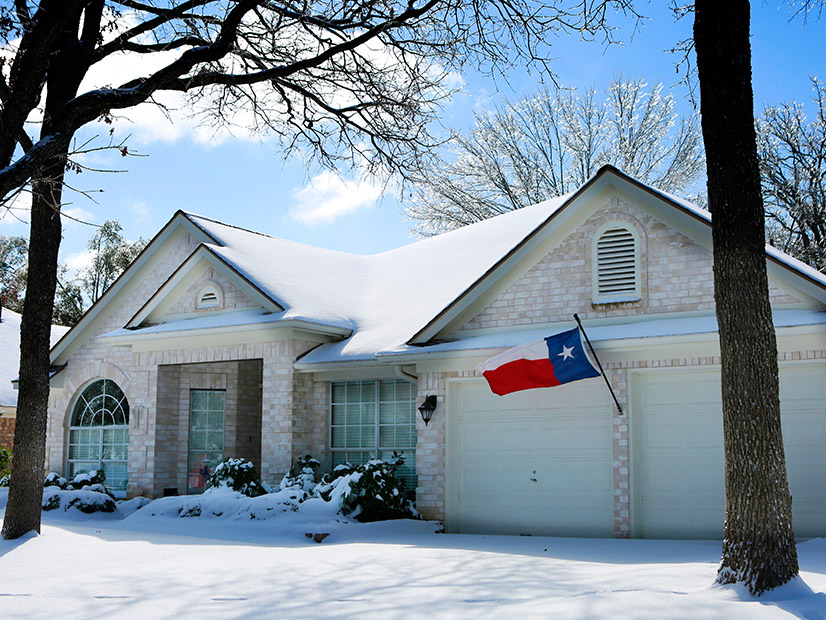
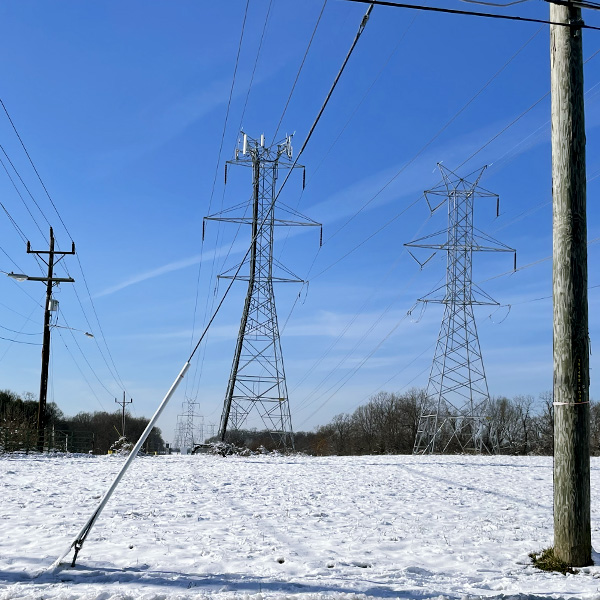
More than 100 insurance companies are suing ERCOT and generators for policy holders’ “significant property damage” during last February’s winter storm.
Google
FERC denied a motion from the estate one of the owners of GreenHat Energy for the commission to drop its enforcement action.
SEEM
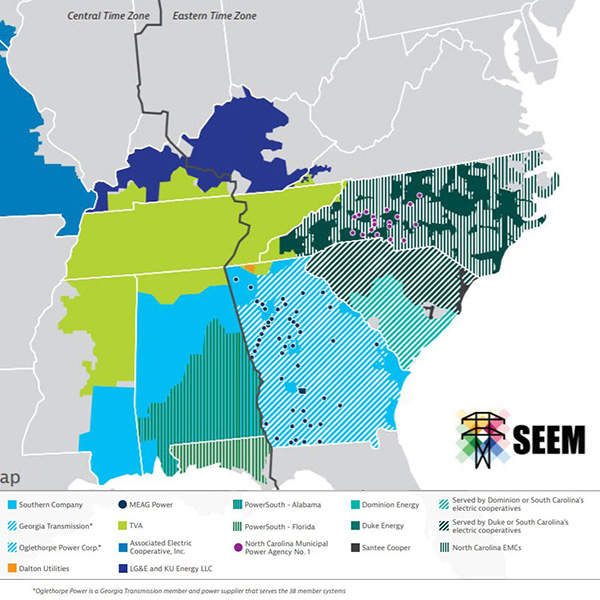
South Carolina state-run water and power provider Santee Cooper is the latest utility to join the new Southeast Energy Exchange Market.
Shutterstock
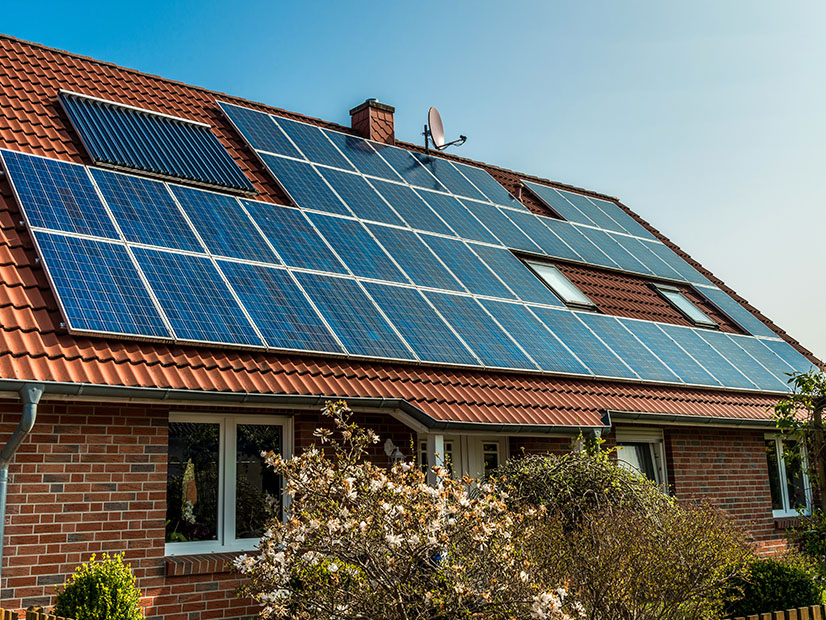
NEPOOL's Participants Committee approved ISO-NE's proposal for allowing aggregated distributed energy resources to participate in the markets.
NTE Energy
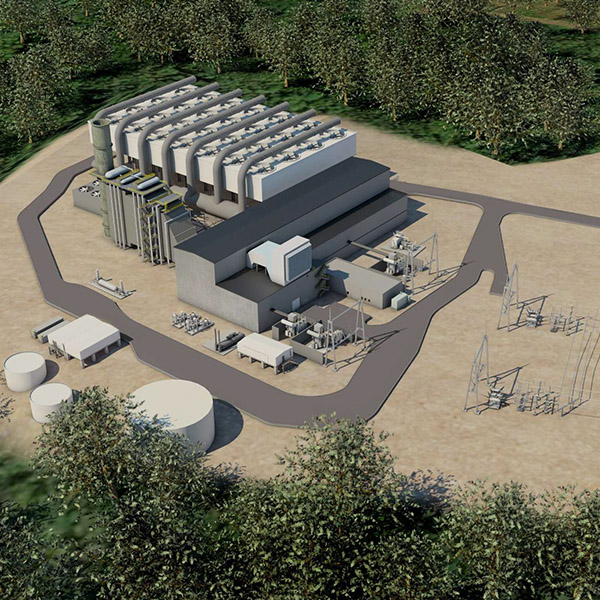
FERC accepted ISO-NE’s request to terminate the capacity supply obligation for the Killingly Energy Center in eastern Connecticut.
© RTO Insider LLC
MISO has made another attempt to coax more time from FERC so it can calculate refunds to transmission customers relating to the commission’s return on equity.
Santee Cooper
FERC approved a $40,000 penalty against South Carolina utility Santee Cooper for violations of NERC reliability standards spanning more than 14 years.
NYDPS
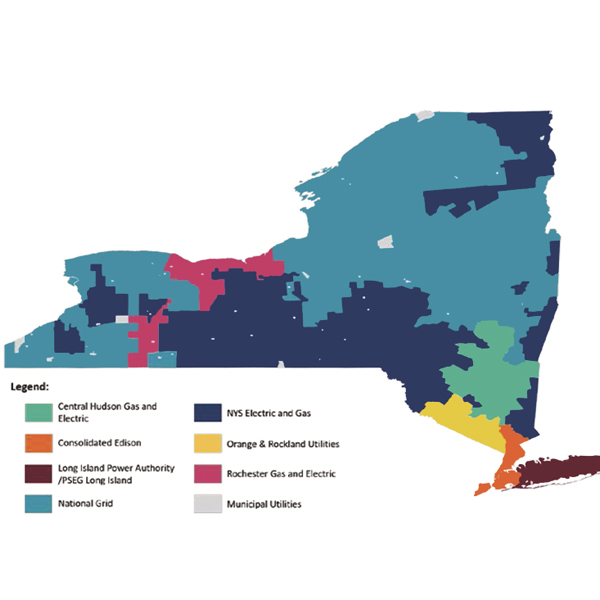
New York transmission owners urged the PSC to reject a challenge to its new category for projects intended to help the state meet its climate goals.
Want more? Advanced Search