Federal Energy Regulatory Commission (FERC)
The Federal Energy Regulatory Commission is an independent agency that regulates the interstate transmission of electricity, natural gas and oil; reviews proposals to build LNG terminals and interstate natural gas pipelines; and licenses hydropower projects. FERC also oversees operations of regional wholesale electricity and natural gas markets and oversees the reliability of the bulk electric system.
SWEPCO
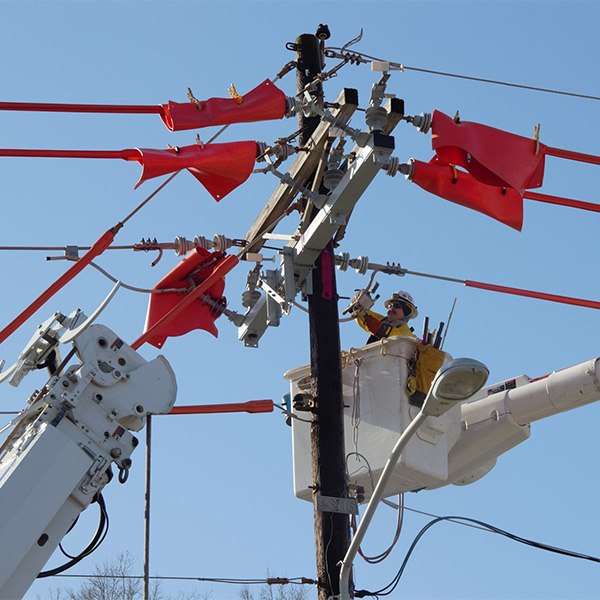
FERC allowed MISO and SPP to use a predictive flow factor process to correct overlapping congestion charges between the two on pseudo-tied loads and resources.
Ørsted, Eversource Energy
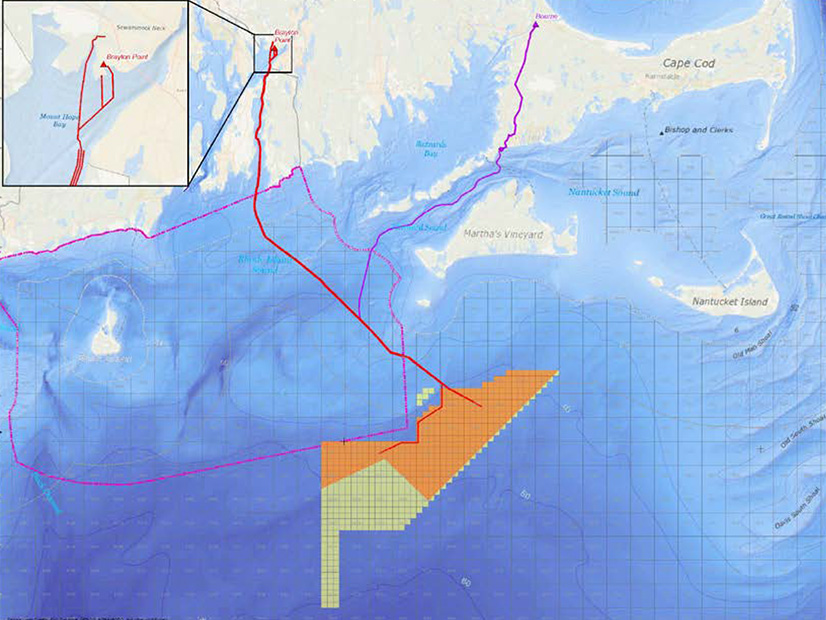
The NEPOOL Reliability Committee approved the Bay State Wind project’s request to increase its capacity by 40 MW, reflecting a move to larger turbines.
Matthew T. Rader, CC BY-SA 4.0, via Wikimedia Commons
The North American Energy Standards Board has launched a project to develop new standards governing coordination between the gas and electric industries.
Xcel Energy
Stakeholders have extra time to register critiques of MISO’s plan to redefine its capacity market in the 2023-24 planning year.
© RTO Insider LLC
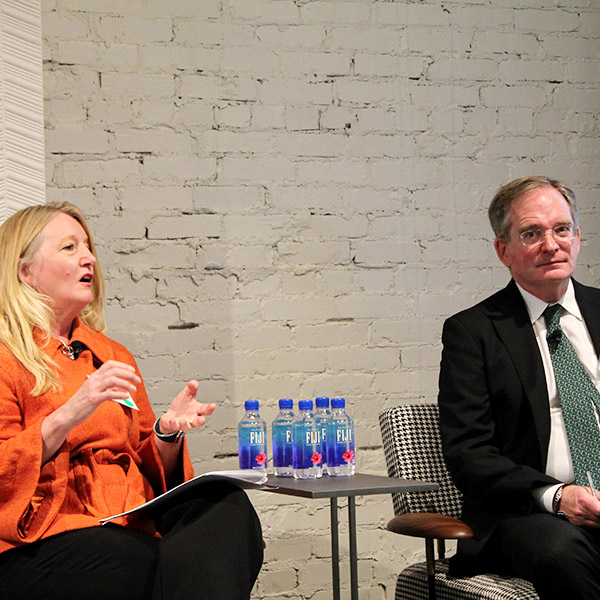
Attendees of GridWise Alliance’s gridCONNEXT were upbeat as they heard about a high-tech future in which everything is electrified, digitized and clean.
ISO-NE
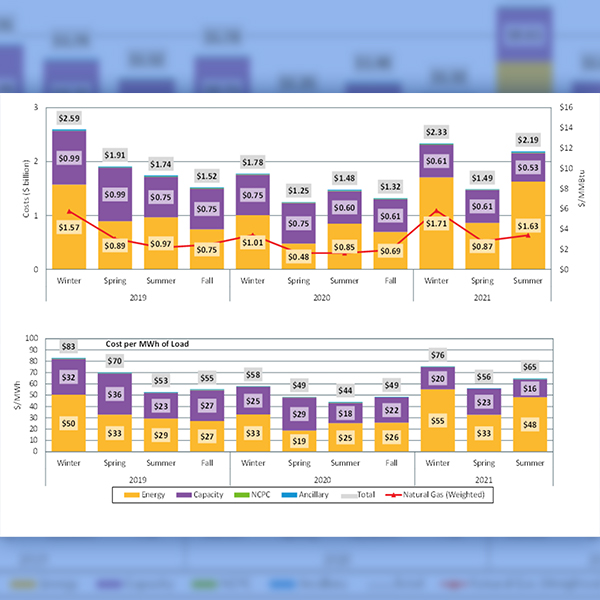
The NEPOOL Markets Committee will vote in January on two proposals to modify ISO-NE’s generator retirement rules.
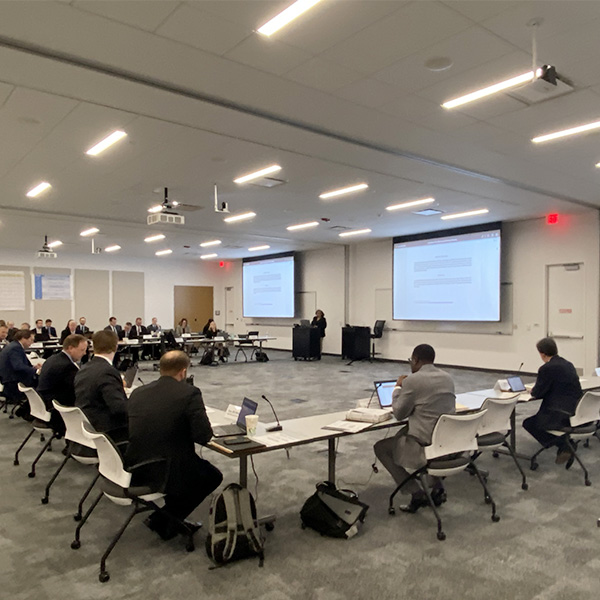
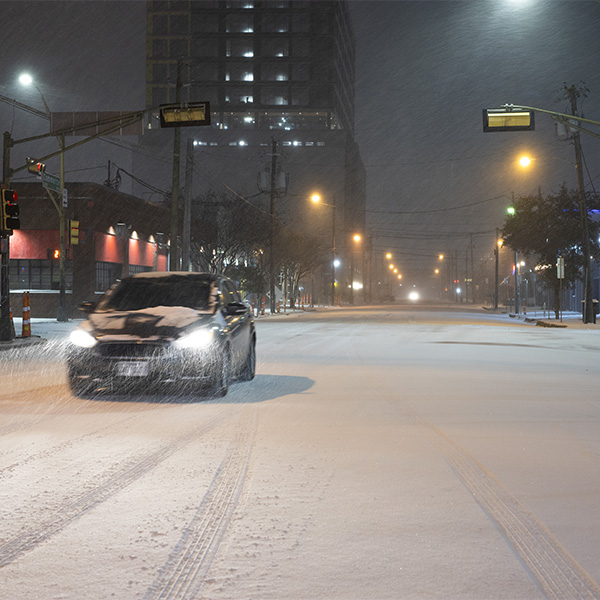
ERCOT's new Board of Directors met publicly for the first time since February's winter storm and assured its audience that a new sheriff is in town.
Shutterstock
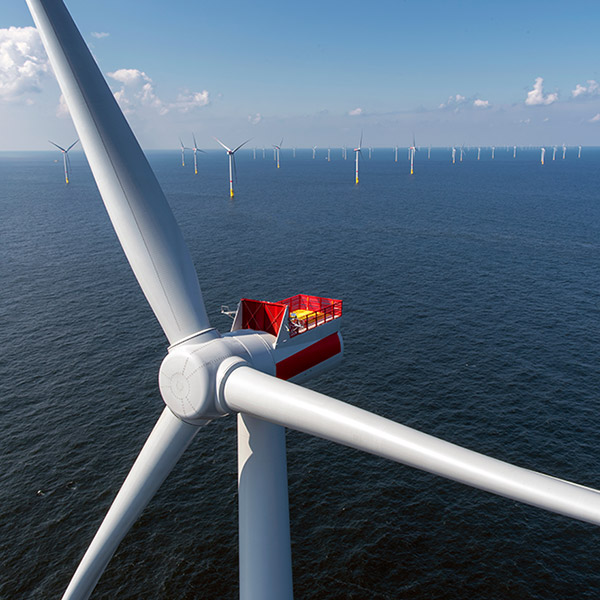
Con Ed has submitted a proposal for a 2.4-GW transmission “backbone” to the New Jersey BPU to bring offshore wind-generated electricity to the PJM grid.
SEEM
FERC turned down a rehearing request submitted by opponents of the Southeast Energy Exchange Market, saying they should have filed it earlier.
© RTO Insider LLC
The Texas RE looks back on its involvement in NERC’s and FERC’s inquiry into the February winter storm but says 2022 could be even more challenging.
Want more? Advanced Search