Federal Energy Regulatory Commission (FERC)
The Federal Energy Regulatory Commission is an independent agency that regulates the interstate transmission of electricity, natural gas and oil; reviews proposals to build LNG terminals and interstate natural gas pipelines; and licenses hydropower projects. FERC also oversees operations of regional wholesale electricity and natural gas markets and oversees the reliability of the bulk electric system.
Waymarking
FERC ruled last week that pseudo-tied loads and resources between MISO and SPP are subject to overlapping congestion charges.

FERC approved a settlement between CAISO and the operator of the aging 27.5-MW Channel Islands cogeneration facility over a reliability must-run agreement.
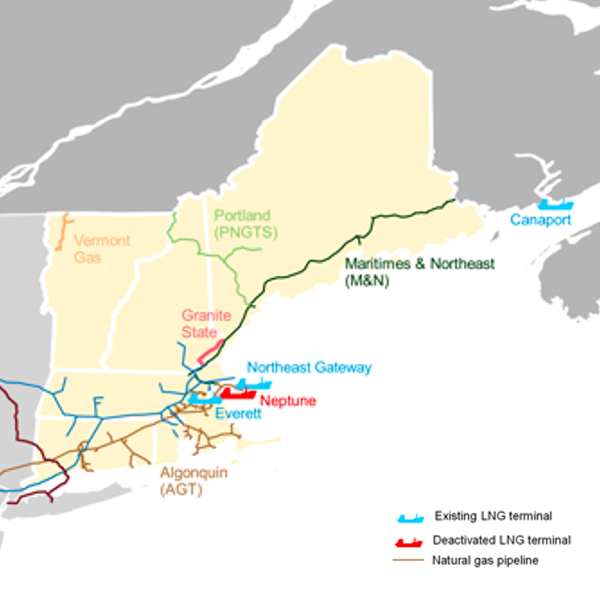
FERC dismissed a complaint by New England generators against Exelon's Mystic cost-of-service agreement.
MISO postponed filing tariff revisions to implement 4 seasonal capacity auctions and impose a more rigorous accreditation process on participating resources.
© RTO Insider LLC
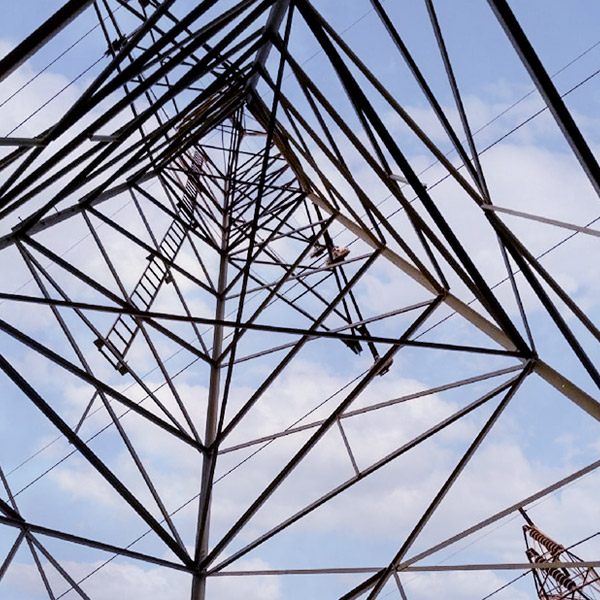
FERC voted to approve a supplemental NOPR that would scale back a transmission rate adder designed to encourage utilities to join RTOs.
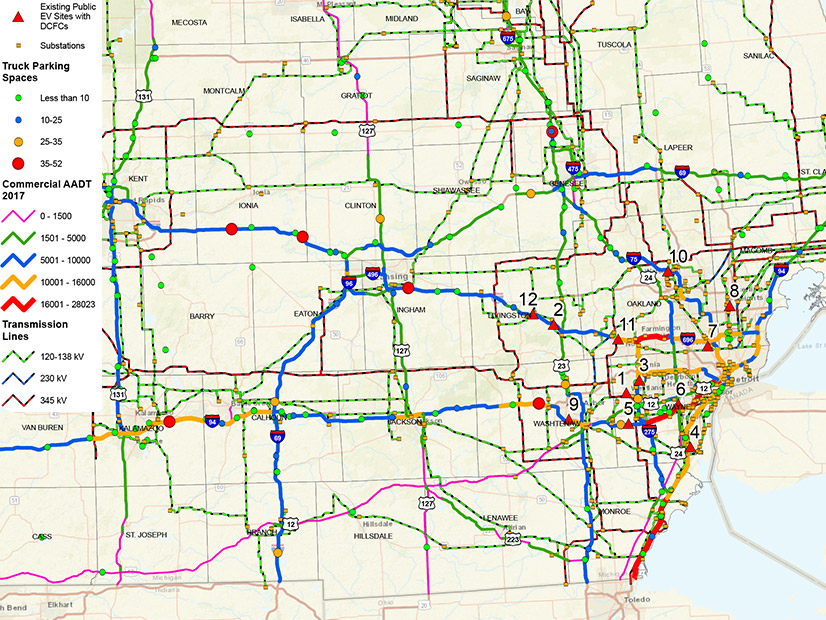
FERC sided with 2 Mich. utilities in a turf war with METC over its request to spend $15 million on a pilot project to build chargers for long-haul trucks.
Rhododendrites, CC BY-SA 4.0, via Wikimedia Commons
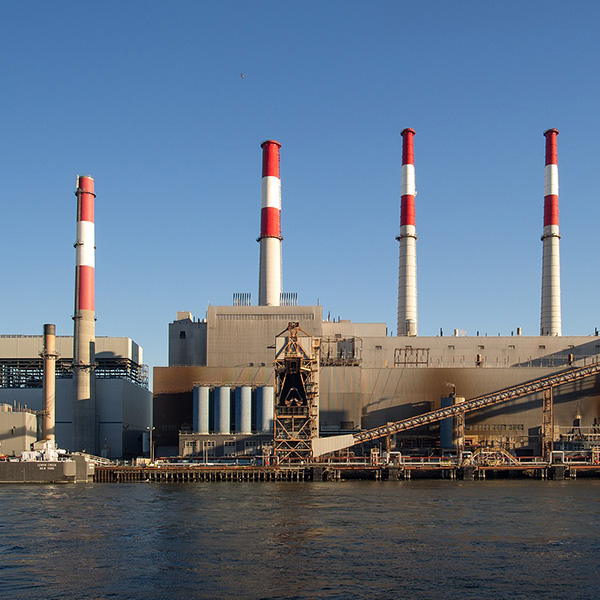
FERC approved a policy statement on how it would review carbon pricing proposals in organized wholesale electricity markets.
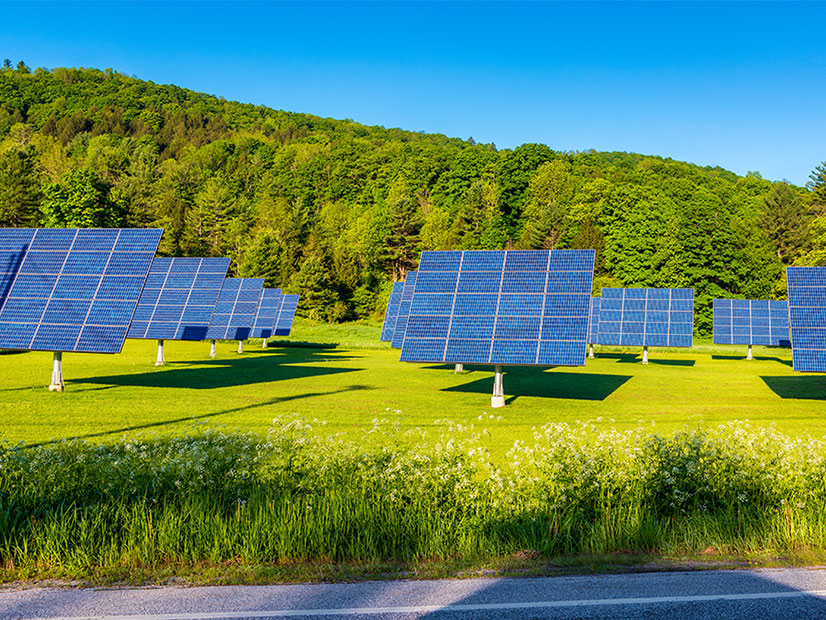
ISO-NE told the NEPOOL Markets Committee that the RTO would seek an extension of the compliance deadline for FERC Order 2222 until February 2022.
© RTO Insider LLC
PJM stakeholders questioned whether proposals addressing compensation for reactive power supply and voltage control service should be delayed.
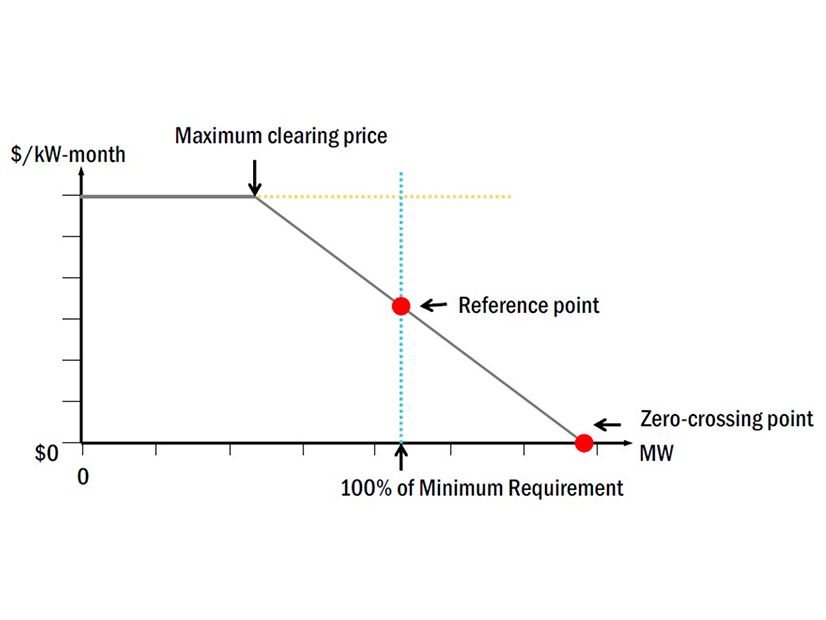
FERC approved an update of NYISO's capacity market demand curves but the commission rejected the proposed 17-year amortization period.
Want more? Advanced Search